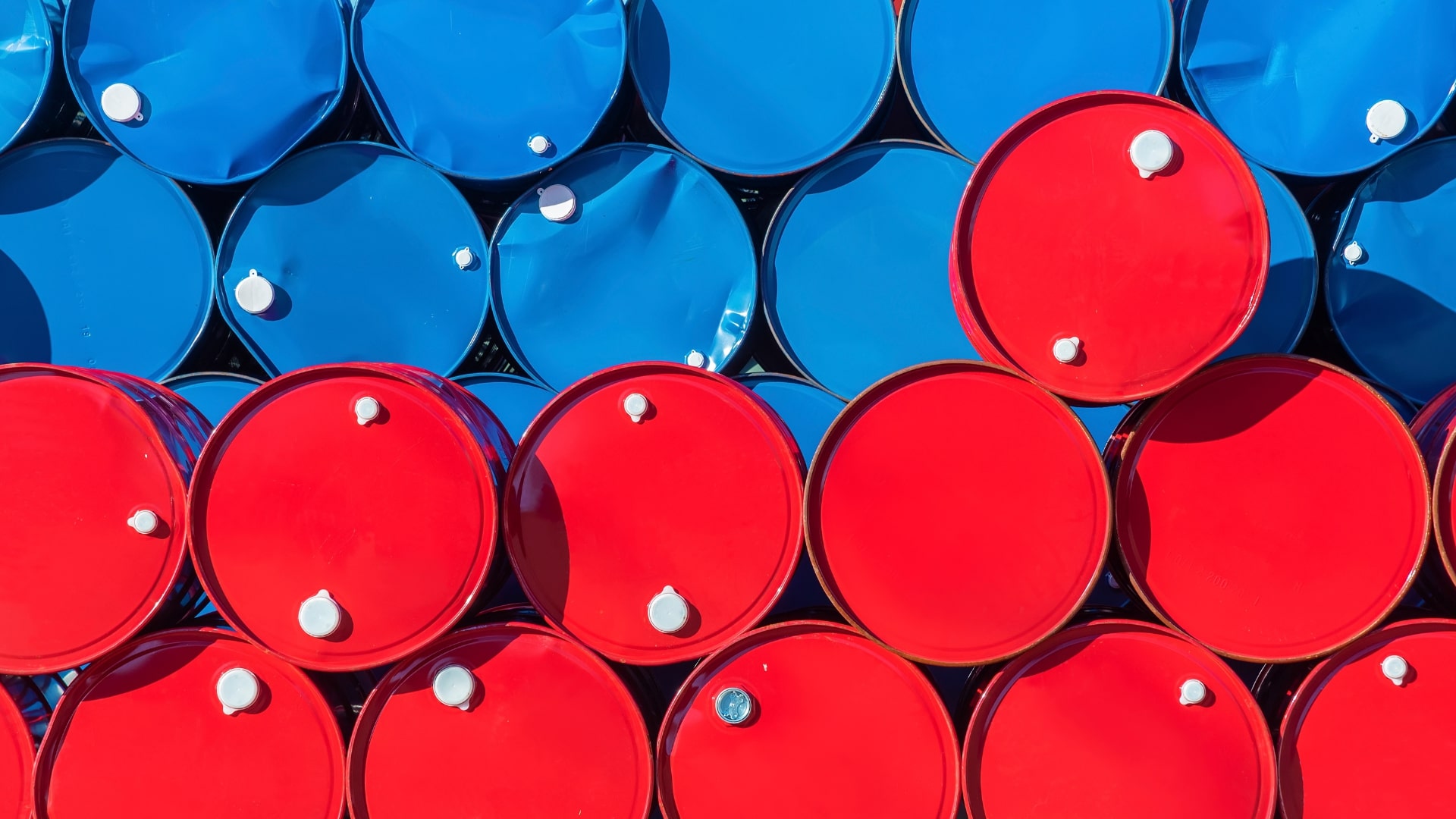
The recovery followed a steep decline: both benchmarks have fallen about 15% this month as President Trump held off on renewed large-scale strikes against Iran. A broad retreat in commodity markets and a stronger U.S. dollar have also weighed on prices. BOK Financial senior vice president of trading Dennis Kissler said geopolitical tensions were bringing buyers back in the near term, but overall fundamentals remained bearish.
Investors were also left without clarity on several conflicts and trade issues after Presidents Trump, Xi Jinping and Vladimir Putin met, StoneX senior commodities economist Mike Castle said. Their joint statement said the leaders agreed to work to reduce nuclear risks and increase refined petroleum-product supplies. Castle said the meeting produced no takeaways on diplomatic efforts involving conflicts in the Middle East and between Russia and Ukraine, China-U.S. trade and technology restrictions, or Russian sanctions.
Supply data added to the pressure on prices. U.S. commercial crude inventories rose by 3.4 million barrels to 417.8 million last week, the Energy Information Administration said Wednesday. Analysts surveyed by The Wall Street Journal had expected a 1-million-barrel increase. ING analysts said Ukrainian strikes had affected Russian facilities with combined processing capacity of nearly 400,000 barrels a day, while Russian crude exports had risen to their highest level since late July.
The International Energy Agency said Thursday that prolonged disruption to shipping through the Strait of Hormuz could prompt Middle Eastern producers to develop alternative export routes, reducing reliance on the waterway over the next decade. In its World Energy Outlook, the IEA projected that, if severe disruptions persist, oil flows through the strait could fall from around 20 million barrels a day before the conflict to 8.5 million by 2030 and fewer than 2 million by 2035. The region would remain the world’s largest oil-exporting area, the agency said.
The IEA expects a global oil surplus of around 1.7 million barrels a day in the fourth quarter, widening to approximately 3.8 million barrels a day next year as Middle Eastern production recovers faster than demand. Security threats to regional energy infrastructure and shipping continue to complicate efforts to restore exports through Hormuz.



Comments (0)
No comments yet. Be the first!