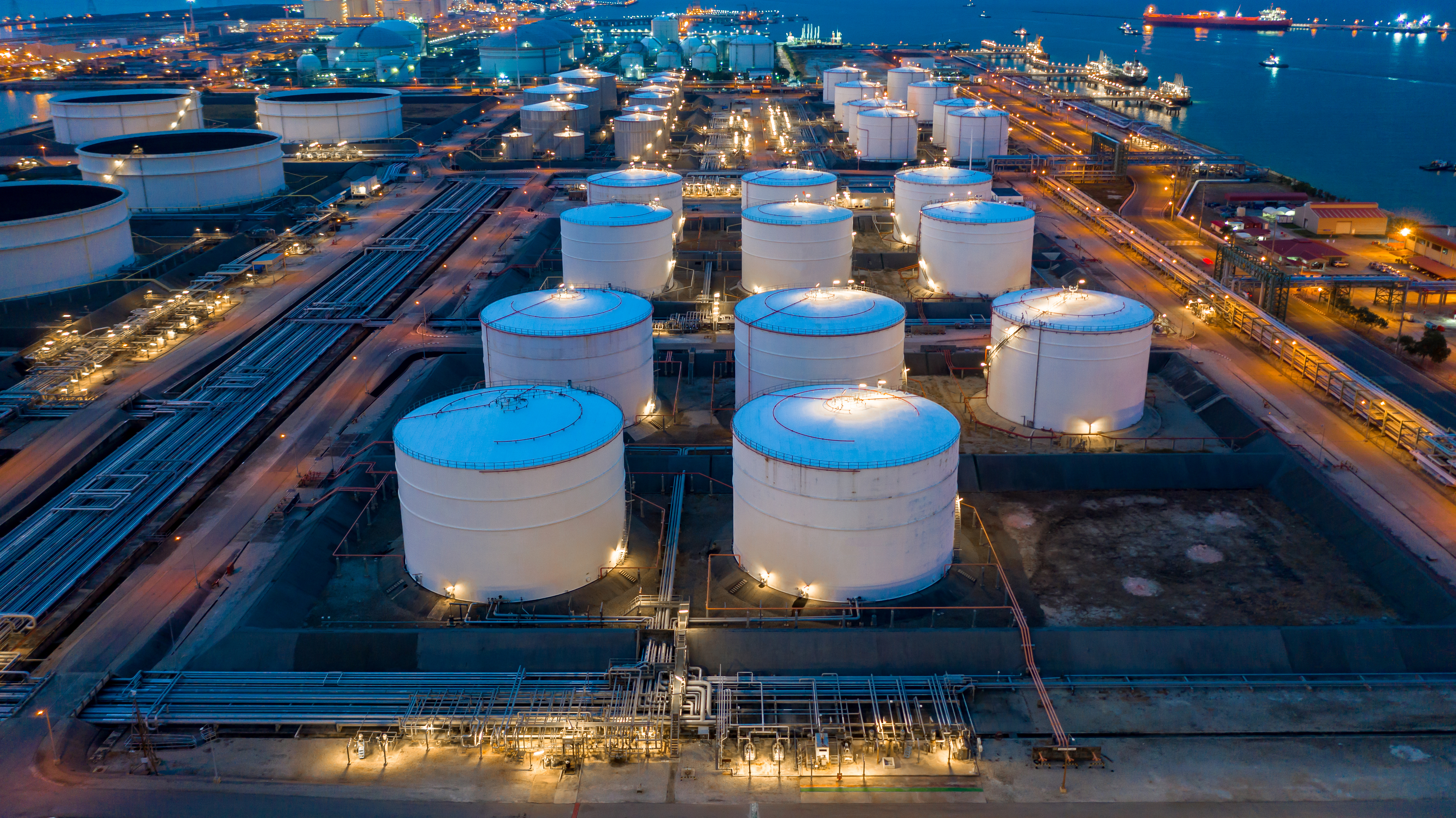
Under current EU rules, member states must hold emergency oil stocks equal to at least 90 days of net imports or 61 days of domestic consumption, whichever is higher. Some reserves must be refined products, but countries are not required to store them in proportions that reflect domestic demand.
That mismatch matters as European refining capacity declines. The bloc produces more gasoline than it consumes but remains structurally short of diesel and, especially, jet fuel, according to the European Commission’s autumn economic forecast. Stored crude cannot immediately replace missing imports of those products.
Eurostat data show EU emergency reserves totaled 103.5 million metric tons in July: 43.7 million tons of crude oil and 36.5 million tons of gasoil and diesel. Thirteen member states were below their minimum stock requirements that month.
The cost of import dependence has been substantial. The Iran war added an estimated €40 billion ($44 billion) to the bloc’s diesel import bill between March and September. Jet fuel imports cost a further €16 billion to €19 billion, according to EU estimates.
Europe is already drawing on emergency supplies. The International Energy Agency said last week that its members would release another 71 million barrels through February, including about 15 million barrels of diesel, largely from France and Germany. The Commission draft would also allow temporary military access to emergency fuel stocks in exceptional circumstances. It could change before the Commission’s planned approval in early December.




Comments (0)
No comments yet. Be the first!