Media reports said Yemen’s Houthis struck targets in Riyadh, including the city’s financial district and the headquarters of Saudi Arabia’s sovereign wealth fund, as well as a petrochemicals company in Jubail.
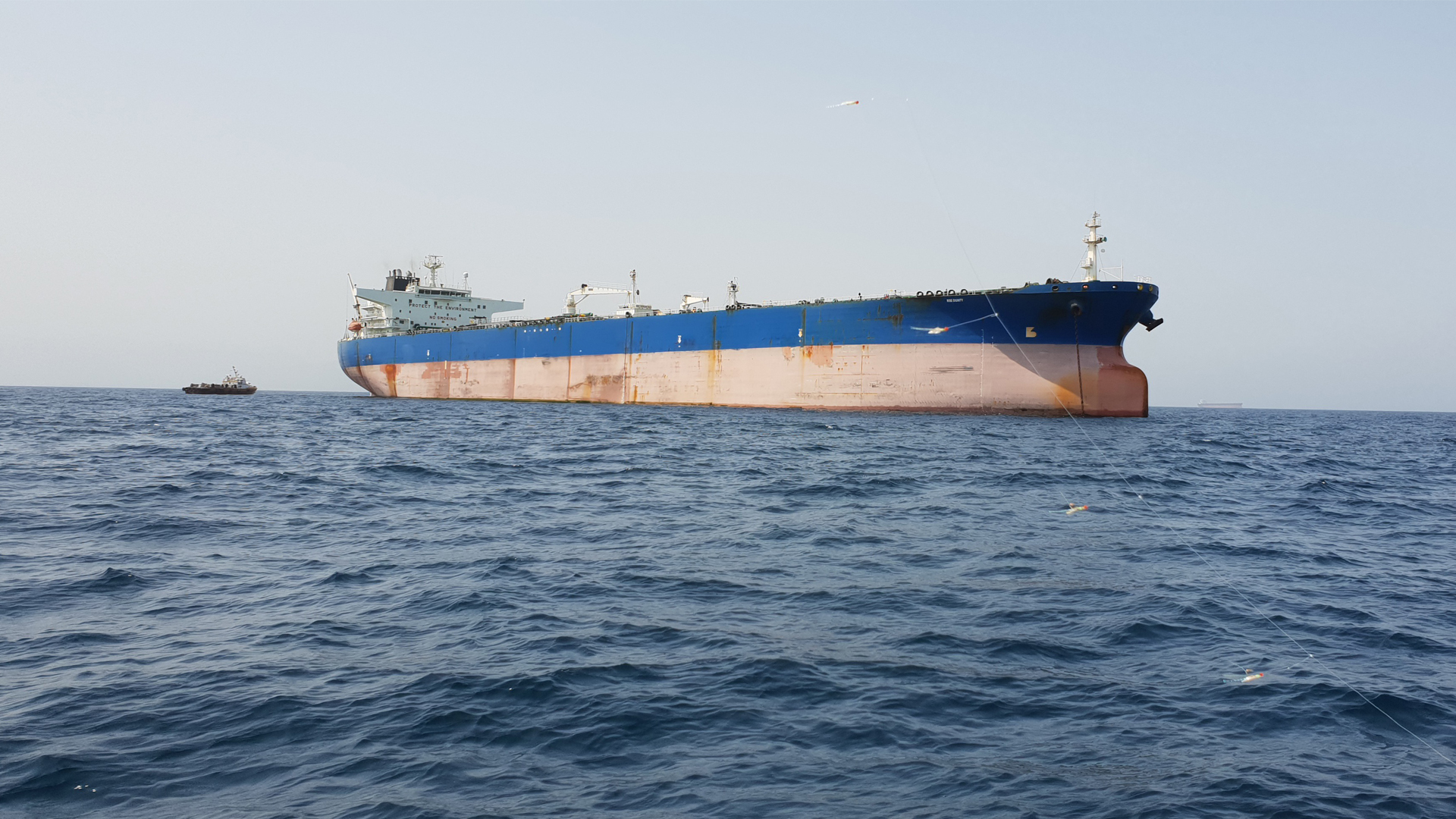
Iran’s Islamic Revolutionary Guard Corps said tankers have been hitting mines daily this month while trying to avoid the Iran-controlled corridor through the strait. On Thursday, the IRGC reported two incidents in which tankers struck mines, exploded and caught fire, Reuters reported.
The security concerns have revived questions about supply as the International Energy Agency has forecast that an oil surplus would return in the current quarter and continue into next year. Investment banks have also said the market was already oversupplied, citing Persian Gulf exports that had rebounded to pre-war levels or higher.
Oversupply expectations helped drive oil’s latest decline, alongside expectations of a U.S. Federal Reserve rate hike at its December meeting and concerns about energy demand being weakened by the wars in the Middle East and Ukraine. Oil and gas flow trackers, however, have said Persian Gulf exports remain below pre-war levels despite a significant recovery from the first months of the war. Some say flows have fallen since a reported rebound in September, as Iran tightened enforcement of its transit rules in October and November.




Comments (0)
No comments yet. Be the first!