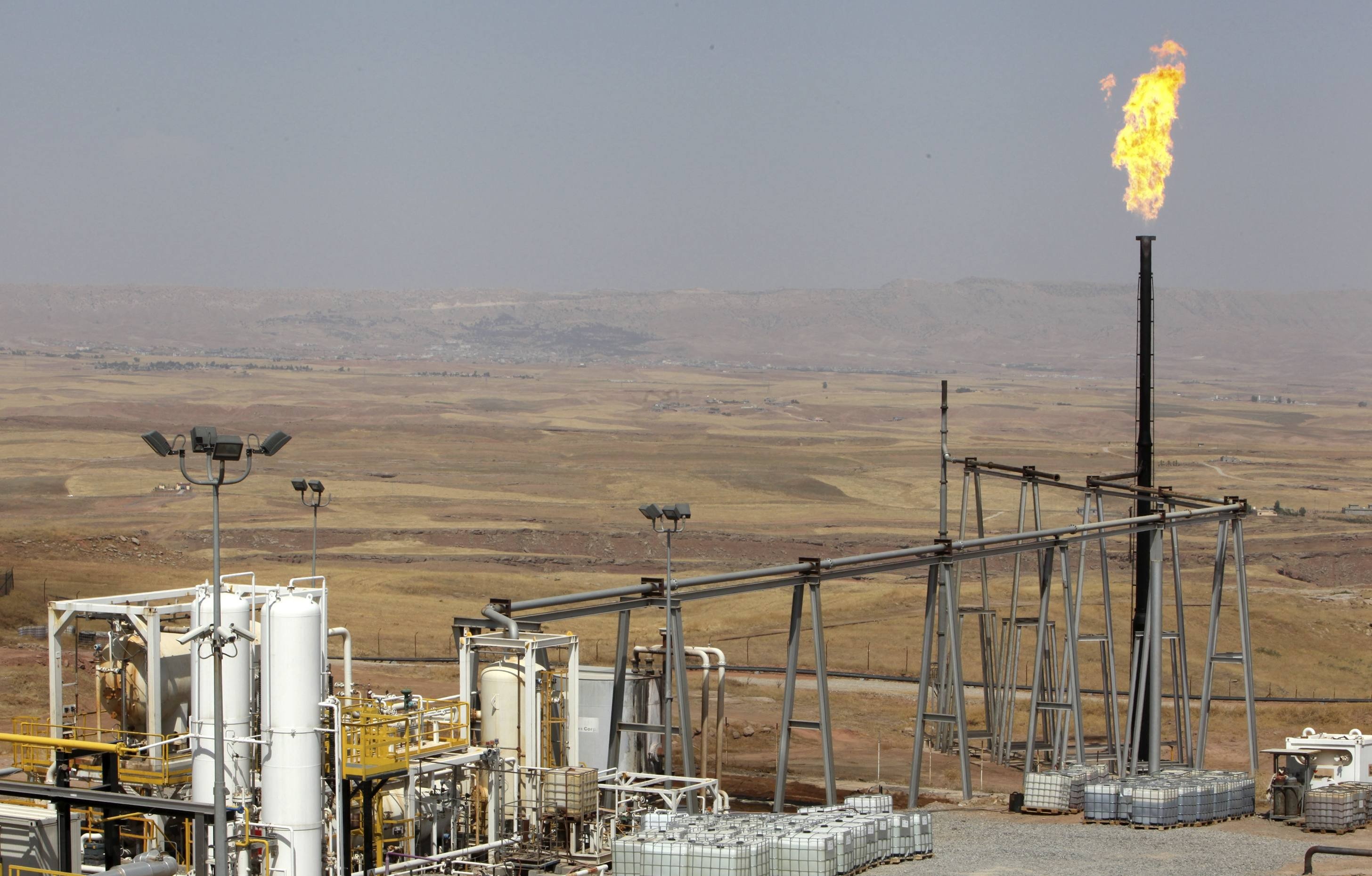
Prime Minister Mohammed Shia al-Sudani ordered federal forces to take over the pipeline in Jurf al-Sakhar, in Babil province. Officials say Kata’ib Hezbollah had been siphoning oil there since at least 2021, generating hundreds of millions of dollars. Baghdad gave the group until Friday to leave. By midweek, it had dug trenches and distributed anti-armour weapons around the town.
The confrontation divided the Coordination Framework, the ruling Shia alliance, which declined to support an assault, and prompted a visit to Baghdad by Esmail Qaani, commander of Iran’s Quds Force.
Late Thursday, Baghdad announced a compromise. Federal forces began establishing a joint command headquarters in Jurf on Friday morning. The command is to oversee an army brigade, a federal police brigade, an Energy Police regiment assigned to protect the pipeline, and two brigades of the Popular Mobilization Forces (PMF), the state-funded umbrella of mostly Shia armed groups that includes Kata’ib Hezbollah.
The PMF says its brigades are replacing Kata’ib Hezbollah’s, although some of the militia’s fighters will serve in the new units. Al-Sudani’s office says the militia will withdraw. Kata’ib Hezbollah says it will neither leave nor hand over the pipeline.
Baghdad is also using the smuggling case to press the Kurdistan Regional Government in northern Iraq to transfer more oil and allow federal inspectors into its fields. The source account does not detail the KRG’s response.




Comments (0)
No comments yet. Be the first!