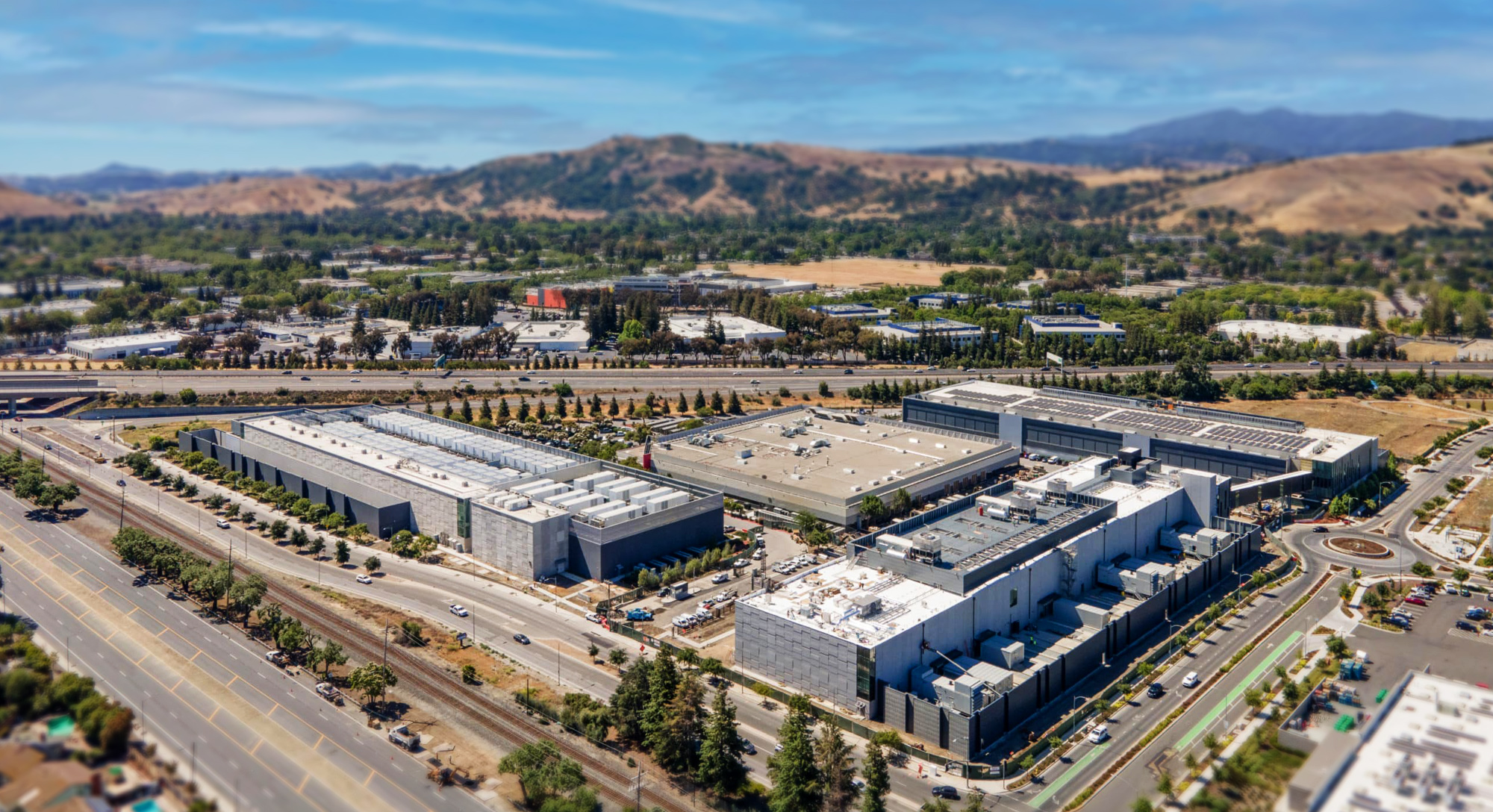
Rystad Energy’s risked forecast calls for 121 GW of additions in 2027–30, including about 49 GW of the 191 GW planned for 2029–30. Political pauses are expected to delay relatively little: roughly half of planned 2027–28 capacity is already under construction or has a roof, while only 16% of expected capacity still needs approval. Slow construction is already pushing nearly a third of expected 2027–28 capacity beyond its planned year.
Texas is the main near-term risk. The state’s environmental regulator, TCEQ, resumed data center permit reviews on 17 November after pausing them in September. The grid operator ERCOT has separately held approvals for new large data center connections since August, pending an audit report due by 10 December and a state utility regulator meeting on 17 December. Governor-elect Gina Hinojosa has pledged a new permitting moratorium from 19 January until the legislature adopts protections in a session ending 31 May. Rystad’s base case assumes a pause until new rules take effect in September 2027, delaying about 3 GW. A pause lasting another year would push back more than 10 GW, leaving installed capacity at the end of 2029 near 170 GW rather than 177 GW. Most delayed capacity is expected to come online by the end of 2030.
Developers may seek stormwater permits early to clear land before a new pause. Rystad estimates that 1.5–3 GW could be delayed in Texas; without a new state pause, about 1 GW would be delayed nationwide. A pause would also affect some projects planning to generate their own power: TCEQ’s halt covered air permits as well as stormwater permits, while ERCOT’s hold applies to campuses that also use the grid. Air permits take longer than the two-month window, leaving most such projects exposed.
The longer-lasting shift may be the cost of securing grid capacity. Utilities increasingly demand commitments lasting more than a decade and upfront collateral. Virginia will require 14-year commitments and security of up to $1.5 million per megavolt-ampere for contracts signed from January. Existing rules cover states with more than half of planned capacity; pending or promised measures could extend them to about three-quarters. These requirements weigh most heavily on speculative projects, which Rystad has largely excluded from its earlier forecast.
Policy risks vary by state. In Georgia, the incoming Democratic majority on the elected utility commission will set terms for a market that relies almost entirely on the grid. In Ohio, local bans could block about 1 GW, though their reach over already approved projects remains unclear. Virginia, Pennsylvania, Arizona and Indiana have no change in regulator or statewide pause and together hold about half of expected capacity not yet started; there, grid rules are likely to matter more than the midterms.
Rystad defines capacity as facility power, excluding cancelled projects, and weights projects by operator, customer and power supply. A delay means startup at least three months later than planned; delayed projects are still expected to be built. In the Texas base case, approvals follow a pause by about two months. If they take six to eight months, the estimated delay rises to about 7 GW.




Comments (0)
No comments yet. Be the first!