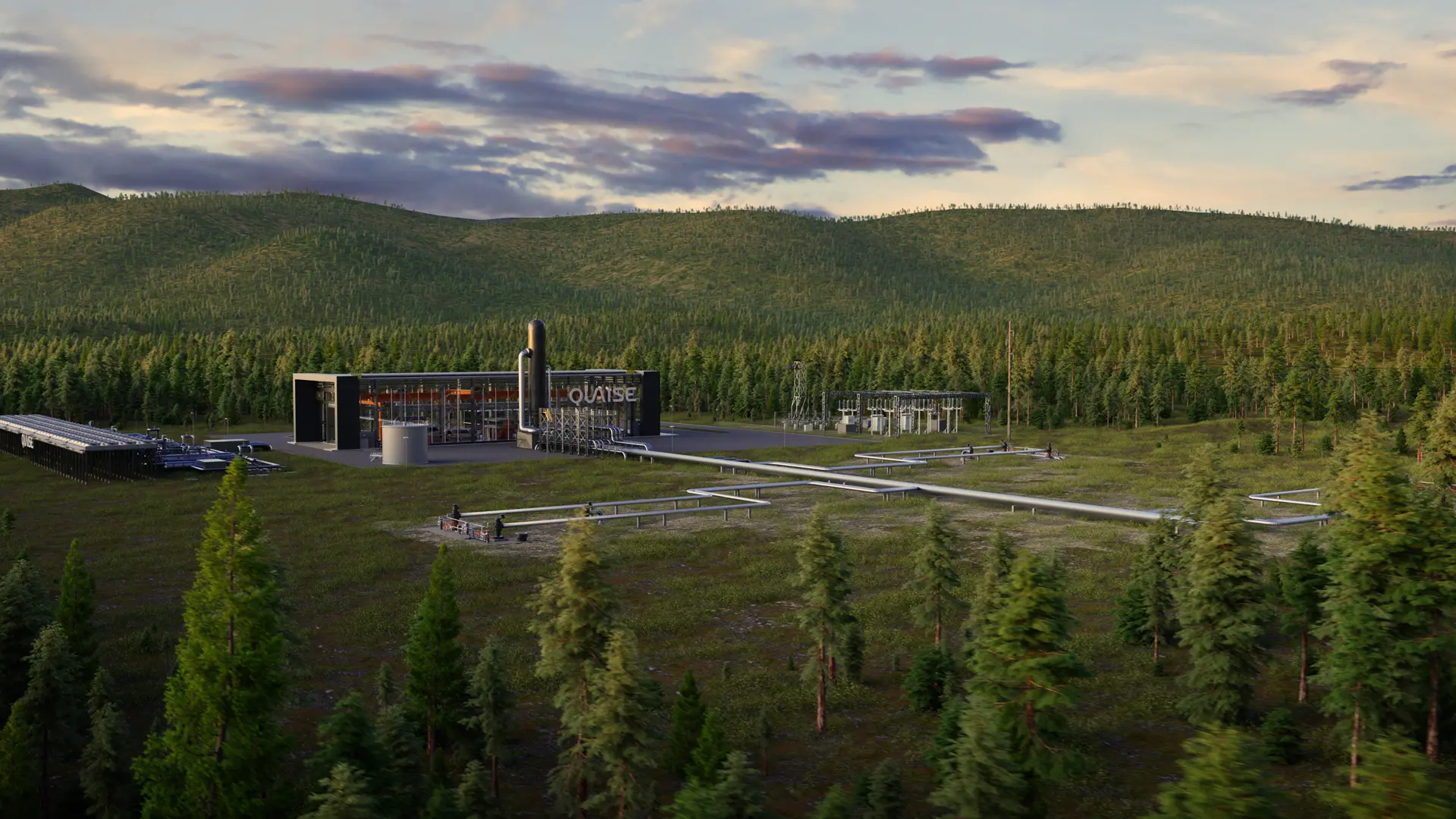
The project, known as Project Obsidian, will use Quaise’s enhanced geothermal approach. The company says it draws on technology developed at MIT: a vacuum-tube gyrotron sends high-frequency electromagnetic waves down a borehole to vaporize rock, while a gas jet clears the resulting ash. Quaise CEO and President Carlos Araque called the agreement “a critical next step” for the company and the clean-energy sector.
Conventional geothermal plants are concentrated in places where heat reaches the surface, such as areas with geysers and hot springs. New drilling methods, drawing on oil and gas technology and fusion research, are intended to reach hotter rock at depth and broaden the number of viable sites. But enhanced geothermal remains an early-stage industry, with high upfront and operating costs and questions about commercial scale.
Geothermal supplies 0.4 percent of the U.S. energy mix. The country nevertheless leads the world in installed geothermal capacity, at about 3.7 gigawatts. Its appeal includes around-the-clock generation and support from both major U.S. political parties, advantages that distinguish it from weather-dependent wind and solar power.
A Rhodium Group report estimates geothermal could meet up to 64 percent of projected data-center energy demand growth by the early 2030s. Rising electricity needs from artificial intelligence are drawing investment to advanced geothermal as well as other emerging energy technologies, even as technology companies also pursue natural gas and extend the use of fossil fuels.




Comments (0)
No comments yet. Be the first!