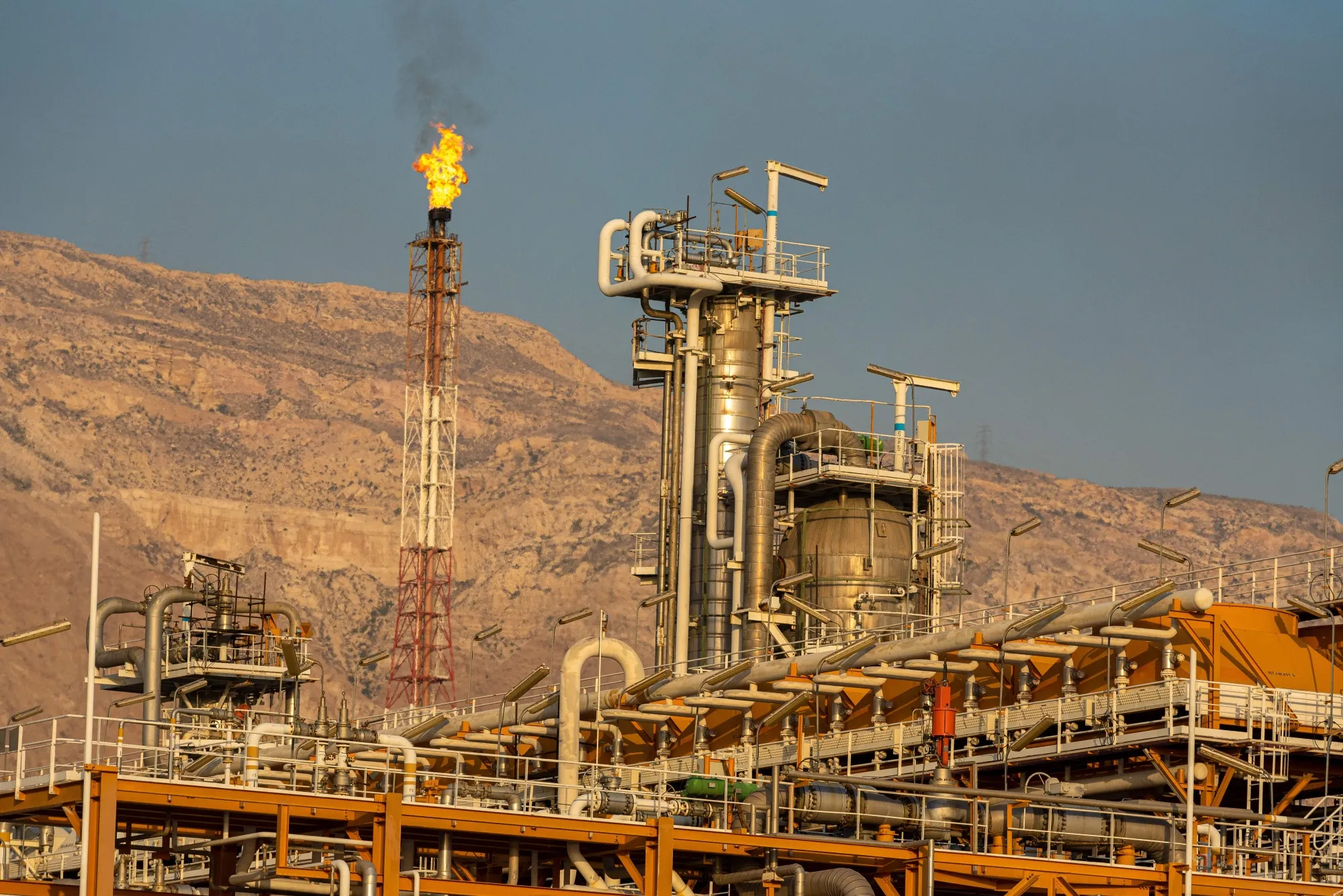
President Masud Pezeshkian warned on November 21 that Iran would likely face energy supply problems during the winter. He said attacks had taken 240 million cubic meters of daily gas production capacity offline. About 100 million cubic meters has been restored, leaving roughly 140 million unavailable each day. Before the war, Pezeshkian said, Iran’s shortfall during peak consumption was already 250 million to 300 million cubic meters a day.
National Iranian Gas Company chief Saeed Tavakoli said at least 11 provinces could encounter supply difficulties. Government spokeswoman Fatemeh Mohajerani warned that Tehran could also face cuts if consumption remains high. Gas supplies have already been restricted to some factories, with production disruptions reported in the cement and petrochemical sectors.
Deputy Energy Minister Mostafa Rajabi Mashhadi said reduced gas output would make it harder to fuel power plants. The government expects to burn mazut, a heavy fuel oil, to compensate for the shortage. State electricity company Tavanir began rolling blackouts for homes and businesses on November 22; its chief executive, Mohammad Allahdad, blamed the measure on fuel shortages at power plants.
Iran holds the world’s second-largest proven natural gas reserves but has struggled for years to meet domestic demand. International sanctions have deterred foreign investment and technology, while aging fields, a deteriorating pipeline network and heavily subsidized, wasteful consumption have contributed to supply deficits each winter.


Comments (0)
No comments yet. Be the first!