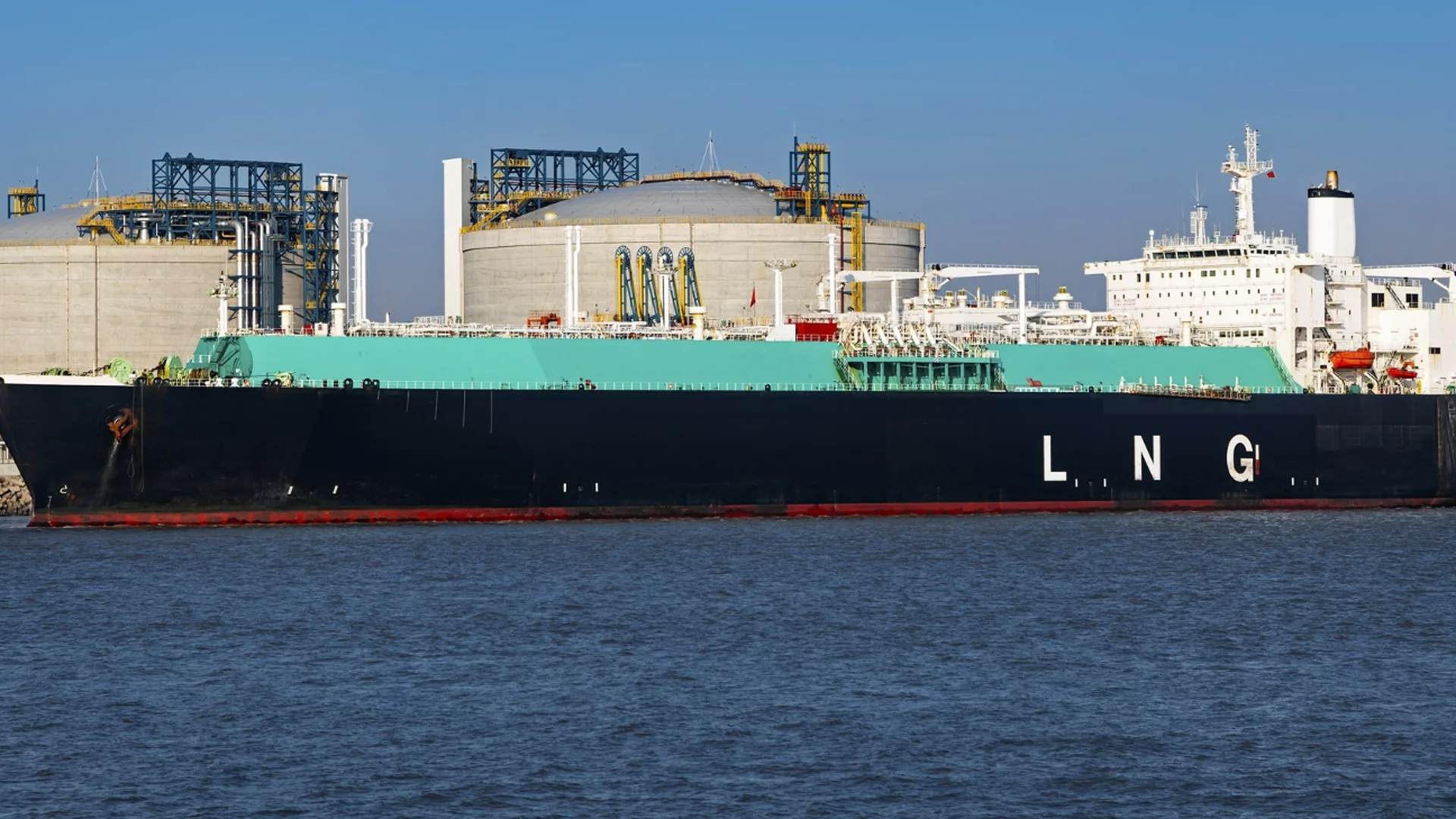
Petronas executive vice president and chief executive for gas and maritime business Datuk Adif Zulkifli said the outlook depends partly on how long the conflict in the Middle East continues and how quickly global LNG supply grows. The war has accelerated efforts by importers to find alternatives to Qatari and Emirati gas.
Qatar has struggled to restore LNG flows. Oil exporters, by contrast, have increased shipments using ship-to-ship transfers. Although reports have also described LNG transfers outside the Strait of Hormuz, the practice has not appeared as common among gas exporters as among oil producers.
U.S. LNG exports have reached record highs this year, a trend expected to continue into next year. Sub-Saharan Africa is also emerging as a growing source: exports from the region are projected to rise 175% by 2034, supported by new projects in Mozambique, Nigeria, Senegal and Mauritania.
Near-term demand could soften, Rystad Energy said, pointing to the development of El Niño and the warmer weather it may bring. A milder-than-normal winter in major Northern Hemisphere LNG markets could reduce heating demand and ease price pressure. Persistently high LNG prices could also prompt greater use of coal-fired power, particularly in Asia.

Comments (0)
No comments yet. Be the first!