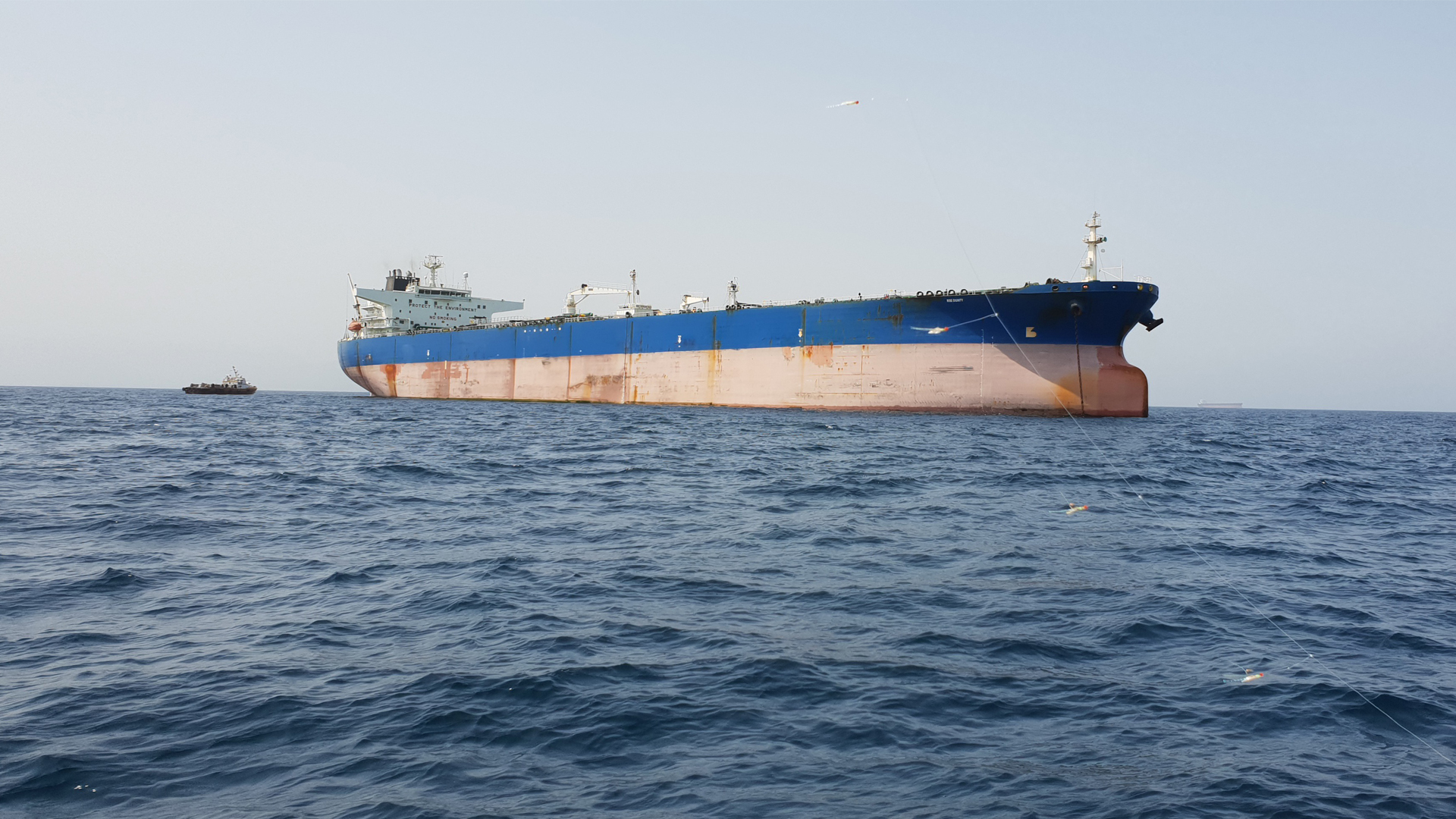
LR2 vessels have traditionally carried refined petroleum products, but many are switching to crude transport as flows from the region are disrupted. Damaged refineries and constraints around Hormuz have reduced demand for clean tankers, while demand for crude-carrying vessels has risen. The tankers are similar in capacity to Aframax crude carriers, which can transport up to 800,000 barrels each.
The change began in 2025, driven by rising crude supply, longer voyages and the use of ships to store oil at sea. This year, the need for more vessels to evacuate crude through the Strait of Hormuz, along with high crude freight rates, has sped up the switch. LR2 tankers can also take part in complex shipping arrangements near the strait, where shuttle shipments have become a common way to move crude out of the Persian Gulf in recent months.
Signal Ocean senior market analyst Maria Bertzeletou and freight analyst Georgios Sakellariou said in an analysis earlier this month that dirty employment made up 74.2% of the LR2 fleet on 30 October 2026, up from 53.0% on 1 January 2025. They said the shift’s durability would depend on relative earnings, cargo demand and the commercial incentives for ships to return to clean service.



Comments (0)
No comments yet. Be the first!