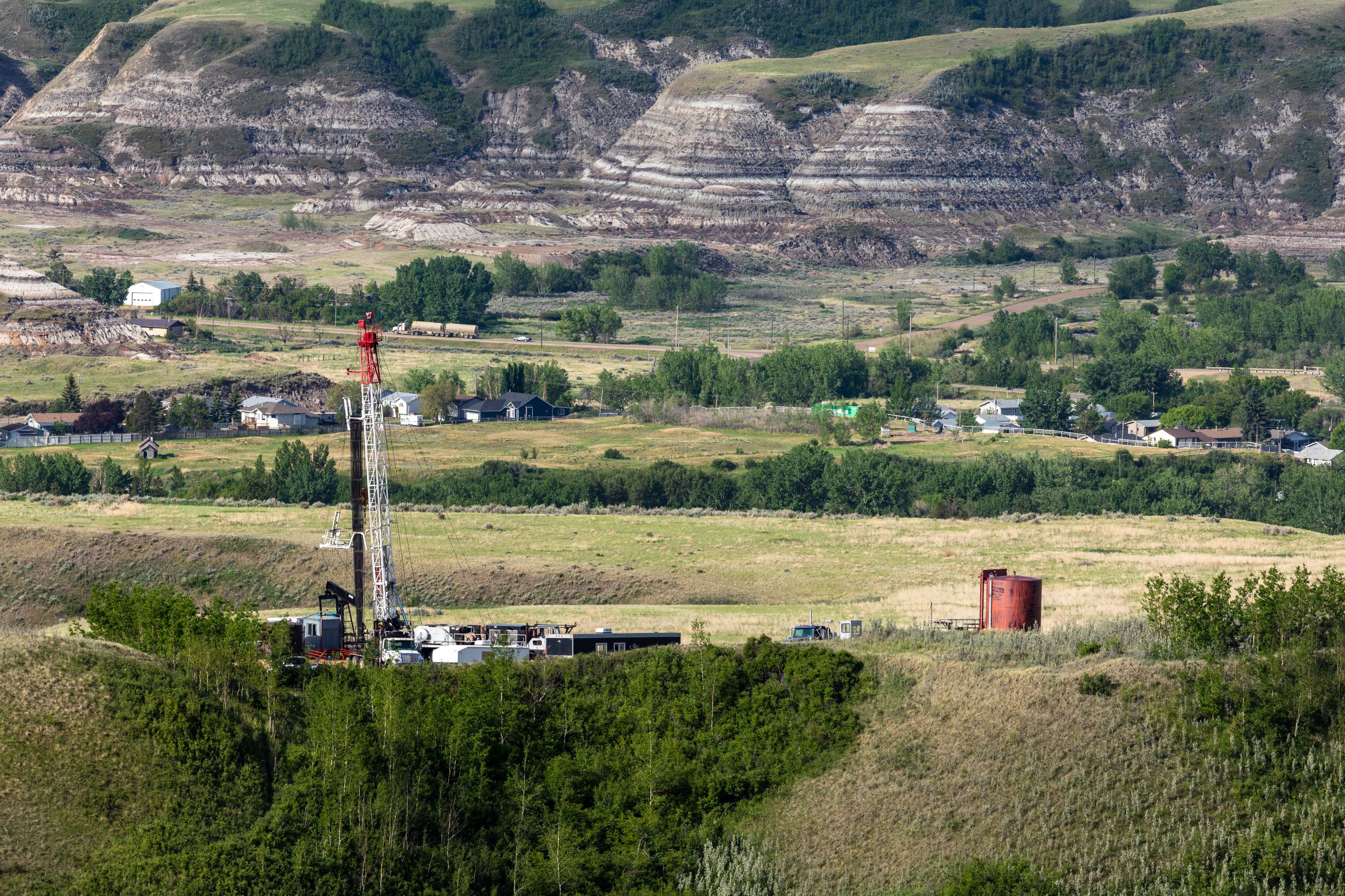
Licensing in Alberta and British Columbia has reached its highest level in records dating to 2019. Adjusted for lateral length, 2026 licensing was 14% above 2025 through September and is on track to exceed 47 million feet. Licensed lateral length in the Duvernay rose 23% year over year. The second-half rebound has been led by short-cycle oil plays, including the Mannville, Clearwater and southeast Saskatchewan Mississippian, as well as liquids-focused Montney drilling in Alberta.
Canada had 230 rigs operating on 30 October, 42 more than a year earlier. The count has stayed near the top of its five-year range since summer began, aside from a late-summer dip. Utilization of high-specification triple rigs is above 80%, a level Rystad describes as effectively full. Canadian contractors also work in the Middle East, Argentina, Venezuela and Australia, where demand is rising. Rystad says crew wages have increased, making it harder to add rigs; equipment brought in from the United States or elsewhere will also face competition for use in those markets.
Pressure pumpers, by contrast, have dealt with excess horsepower and low contracted rates, with some unable to pass on fuel surcharges. Stronger prices and margins in the United States have prompted several Canadian companies to send crews south or prepare to do so. Rystad says the moves appear short term, but a prolonged shift—and the loss of 150,000 horsepower or more—would tighten Canada’s market to levels not seen in many years. It projects horsepower demand will rise 11% by 2030, assuming annual efficiency gains of 1%, as Duvernay activity and higher frack intensities lift requirements.
Canada likely exceeded 10 million tonnes of proppant demand in 2026. Imports fell to close to 5 million tonnes, their lowest volume and share in at least five years, while domestic sales reached a record. Rystad expects demand to top 16 million tonnes annually by 2033, supported by gas-focused midstream projects linked to LNG and higher production. Some operators are testing substantially higher proppant intensities, which could add to demand if successful.
The longer-term outlook depends on export capacity. LNG Canada Phase 2 has reached a final investment decision, while Ksi Lisims is about 60% contracted and closer to its own decision. Rystad expects modest growth through the end of the decade, followed by a structural increase in activity beyond 2030 as larger export projects take hold. Before then, competition from the United States and other markets could make additional rigs, fracking equipment and labor harder to secure in Canada.


Comments (0)
No comments yet. Be the first!