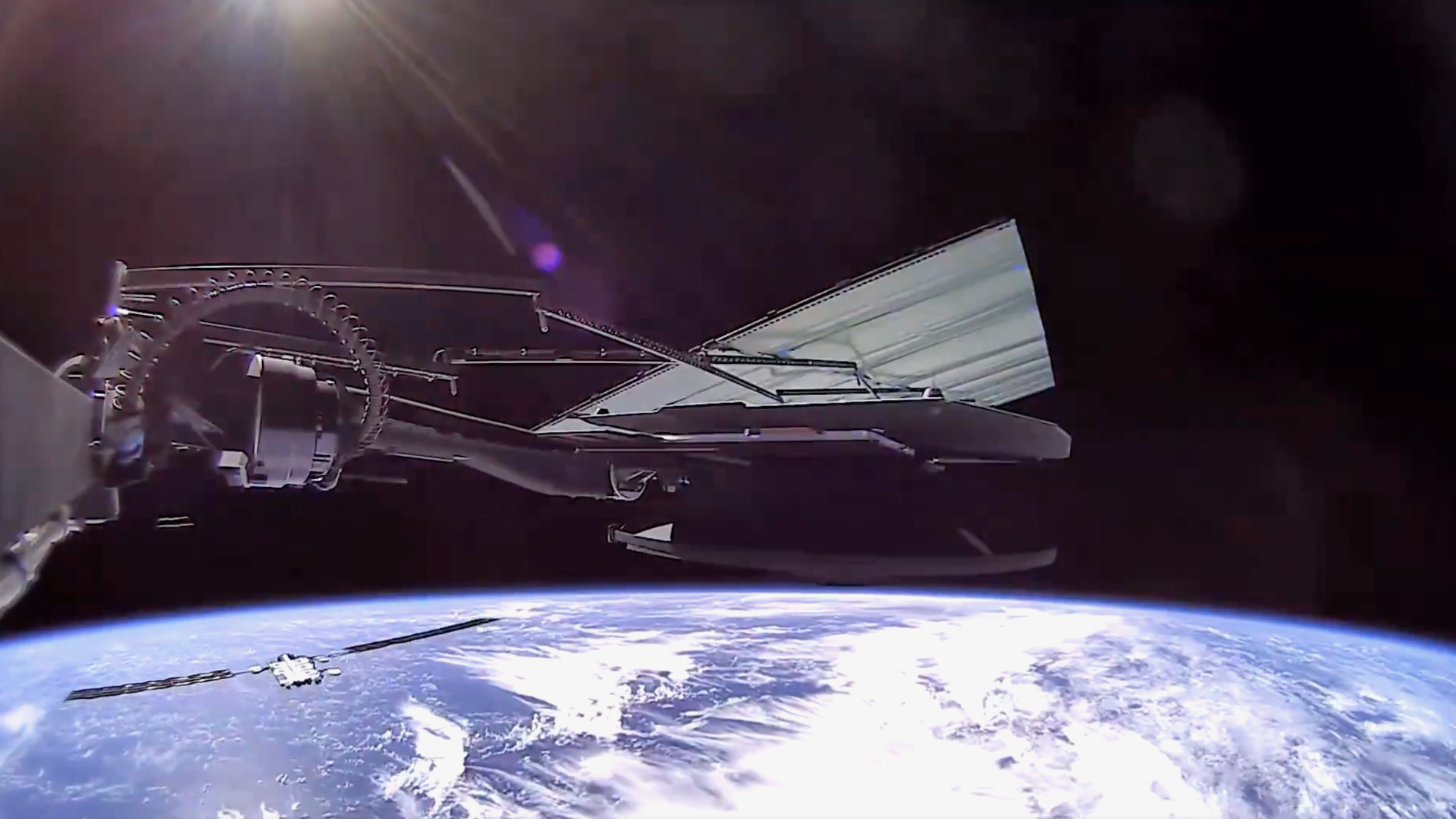
Reports on November 23 said Russia was planning to launch a nuclear-armed satellite, called Sputnik-S, “at any time in the coming weeks,” after allegedly storing the weapon in the Moscow region for years. The Kremlin swiftly denied the claim, amid growing concern about the militarization of space.
A high-altitude nuclear explosion could send an electromagnetic pulse (EMP) through nearby systems at the speed of light, damaging electronics. Radiation could then further degrade satellite components. Victoria Samson, chief director of space security and stability at the Secure World Foundation, told RFE/RL that many satellites within line of sight of a blast could be damaged or disabled. Most are not hardened against nuclear radiation, she said, which could make Starlink internet unavailable. Ukraine relies heavily on the US system for battlefield coordination during Russia’s full-scale invasion. An EMP could also devastate ground-based electrical systems across a wide area.
The legacy of 1962 tests
The United States and Soviet Union both conducted nuclear tests in space in 1962. The US Starfish Prime test, a 1.4-megaton explosion about 400 kilometers above the Pacific Ocean on July 9, caused streetlights, sirens and burglar alarms to fail in Hawaii, more than 1,200 kilometers away. Several satellites were damaged or disabled, including Ariel 1, the United Kingdom’s first satellite.
A later Soviet test over Soviet Kazakhstan produced a flash described by one observer as “a second sun.” Its EMP damaged power systems, including a cable buried about a meter underground between two cities. The Partial Nuclear Test Ban Treaty, ratified by the United States, United Kingdom and Soviet Union in 1963, prohibited nuclear detonations in space; a later treaty barred placing nuclear weapons in orbit.
The scale of potential damage today is uncertain. Samson said a comparable blast could have a greater effect in low Earth orbit because it now contains far more satellites, many reliant on electronic components. A 2010 report on EMP damage to satellites said estimates carried uncertainties of one to two orders of magnitude because of a lack of modern data.
At a recent New York summit, US weapons manufacturer Palmer Luckey called for nuclear testing to resume, citing the need to study EMP effects. “We don't actually know what will happen to our phones, to our critical infrastructure, to our military,” he said.




Comments (0)
No comments yet. Be the first!