Chinese refiners have increased overseas purchases, including from the Middle East, Bloomberg reported. Sinopec alone has bought about 20 million barrels of West African crude since the start of the month for delivery next month—equivalent to the typical monthly West African purchases of all Chinese refiners combined. Rising Middle Eastern buying may suggest exports are normalizing, but vessel traffic and security incidents point to continuing risks.
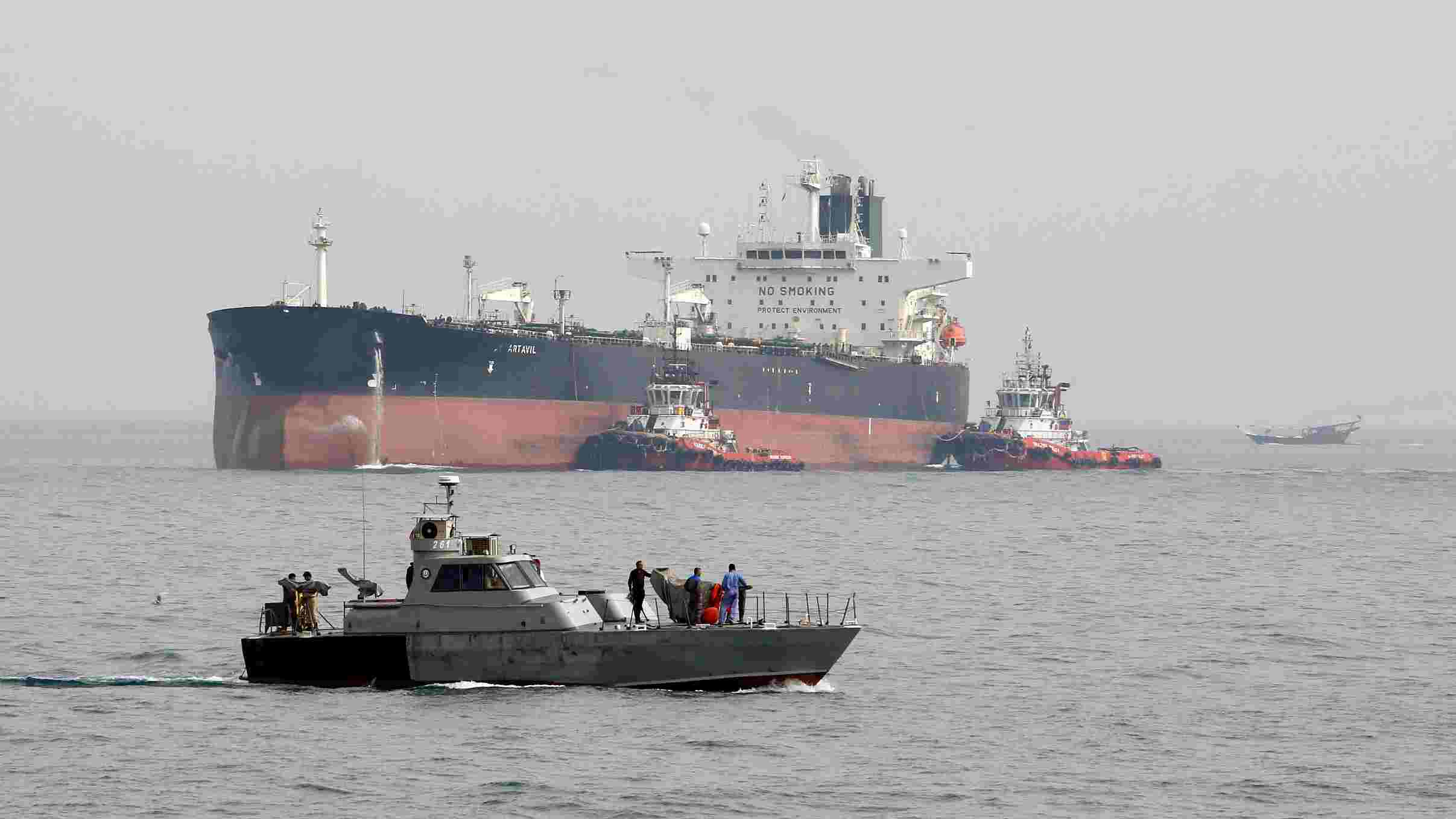
Three tankers were damaged near the start of this week. The UK Maritime Trade Operations said three vessels were struck by unidentified projectiles. Tanker traffic through Hormuz had already fallen in early October from its September rebound. Kpler analysts said that by October 8, daily volumes had dropped to about 10.1 million barrels, the lowest in two months and 74% of the pre-war level.
Traffic later climbed above 20 million barrels a day in mid-October, then fell to 16.03 million toward the end of the month, 15.77 million in the first week of November and 13.96 million in the second week. Reuters columnist Clyde Russell, citing Kpler, reported 12 tanker attacks in the Persian Gulf since the start of November, following 17 in October. He said the decline in Middle Eastern exports alongside rising attacks appeared unlikely to be a coincidence.
Oil traders have focused instead on forecasts from some investment banks and the International Energy Agency that the market is heading for a glut. The source argues that this outlook may understate the risk of disruption: President Trump told Fox News the United States could resume attacks on Iranian targets in 2027, and there is no ceasefire. It also points to Iraq’s efforts to take control of northern fields from the Kurdistan autonomous government, record Russian oil imports by India and China, and Houthi attacks on Saudi targets, including energy sites.
A perception of ample supply may be keeping prices down, but the security outlook remains uncertain. Further tightening of Persian Gulf flows could challenge the glut forecasts and push prices higher.


Comments (0)
No comments yet. Be the first!