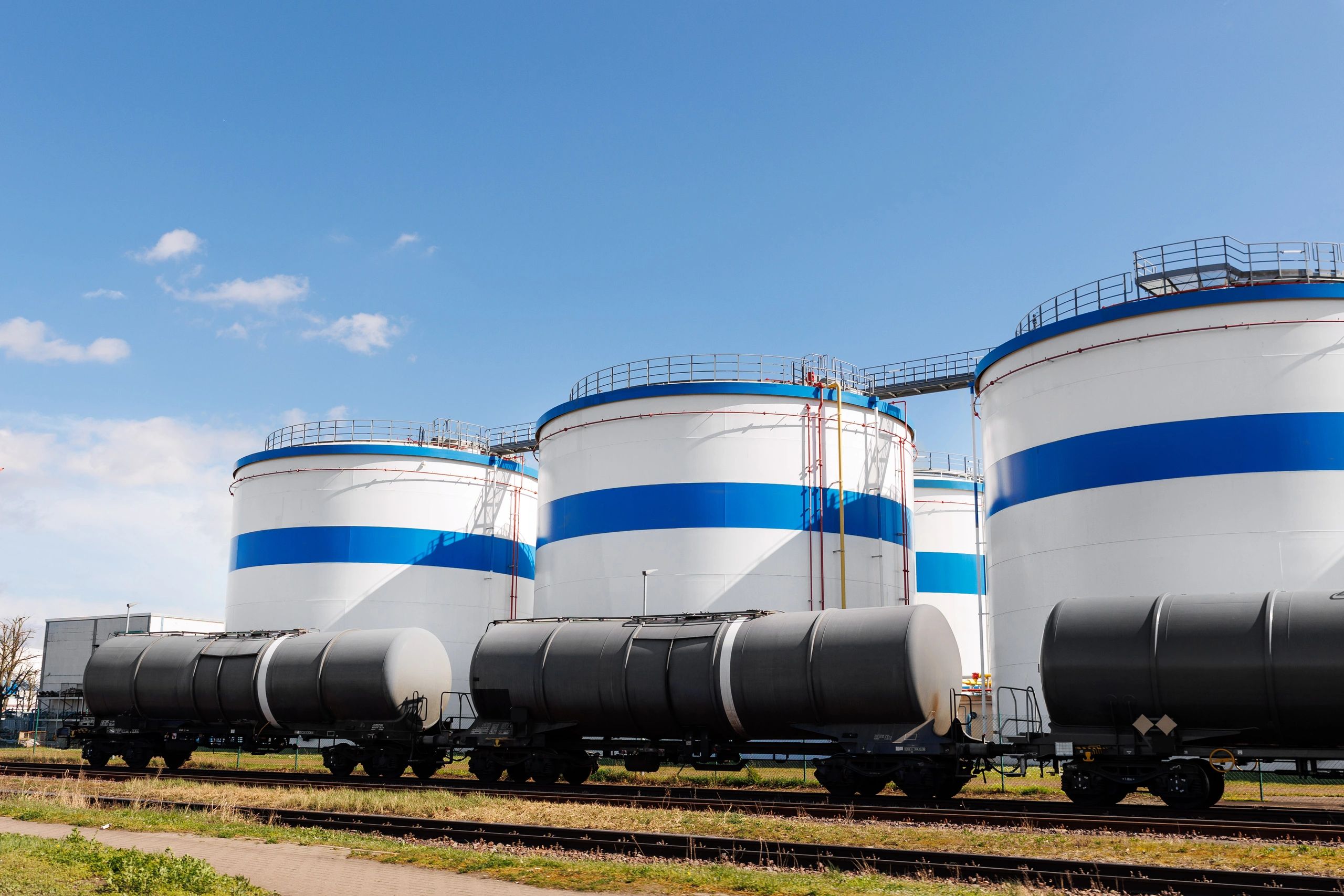
China is likely to lead the buying in the coming months, Sen said, as it typically does when oil prices fall. Beijing is also expanding storage capacity, which could speed up purchases for storage if there is no escalation that pushes prices higher again.
Sen described inventory rebuilding as a multiyear process, with 2028 likely to be bigger than 2027, particularly if the conflict continues through at least the first half of next year. She said the current geopolitical status quo had become the “new reality.”
Oil has traded below $100 a barrel over the past three weeks, and some traders may have become “very complacent” by betting on lower prices, Sen said. In her view, supply risks have not eased substantially. The world is nearly out of buffers to absorb shocks from the Iran war, leaving prices vulnerable whenever renewed escalation threatens Middle Eastern supply.
Although estimates suggest regional crude supply has returned to, or even exceeded, pre-war levels, shipping, trade routes and tanker costs remain disrupted. Crude flows have increased, but fuel exports from the region are still severely constrained.
Saudi Aramco Chief Executive Amin Nasser said last month that the world entered the crisis with nearly 10 billion barrels of oil stocks. Since then, almost 3 billion barrels of gross supply have been lost—roughly half the crude and refined products that would normally have moved through the Strait of Hormuz over the same period. Nasser warned that the system was already straining and that the remaining supply-resilience cushion was “scarily thin.”


Comments (0)
No comments yet. Be the first!