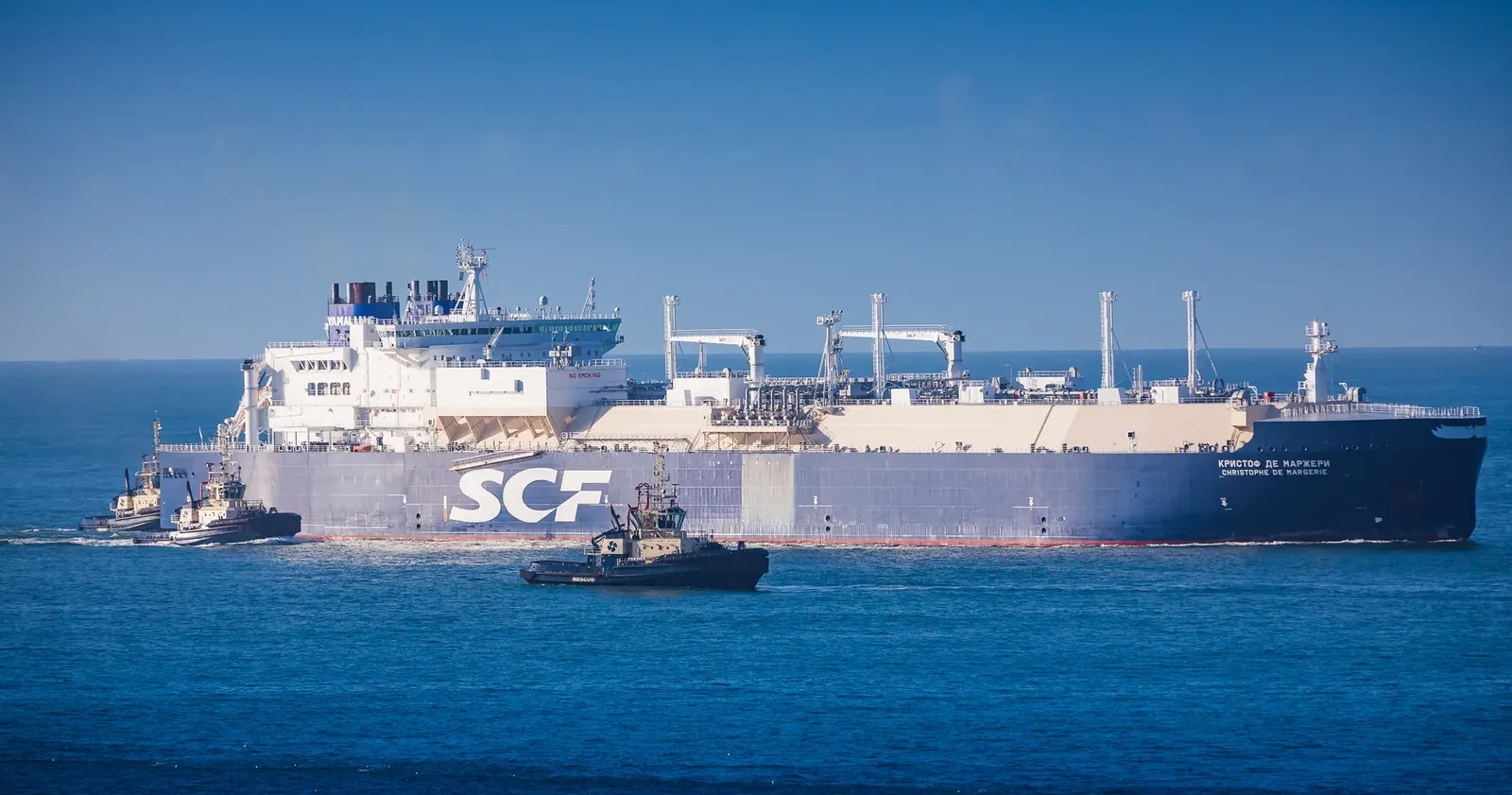
The 21st sanctions package, unveiled by European Commission President Ursula von der Leyen, seeks to cripple Moscow’s ability to expand its LNG export capacity. The proposal targets vessels providing bunkering and logistics to the shadow fleet, adding 30 ships to an existing list of over 600. These restrictions specifically aim at the specialized ice-class carriers required for Novatek’s Arctic projects, such as Yamal LNG and Arctic LNG 2.
Yet, the data paints a contradictory picture of European energy policy. According to Kpler shipping figures analyzed by Urgewald, EU ports absorbed 8.37 million tonnes of LNG from the Yamal project in the first five months of 2026—a 17.9% jump over the previous year. In May alone, 23 of 25 Yamal cargoes arrived at European terminals, with Spain and Belgium’s Zeebrugge facility leading the intake.
The effectiveness of the proposed tanker sales ban remains uncertain. Industry reports suggest Novatek is actively seeking to secure additional ice-class vessels from South Korean shipyards. Should these acquisitions close before the sanctions take effect, Moscow may successfully insulate its fleet from Brussels' reach. With a self-imposed deadline to phase out Russian LNG by January 2027, the bloc faces the ongoing challenge of curbing a supply chain it continues to sustain.



Comments (0)
No comments yet. Be the first!