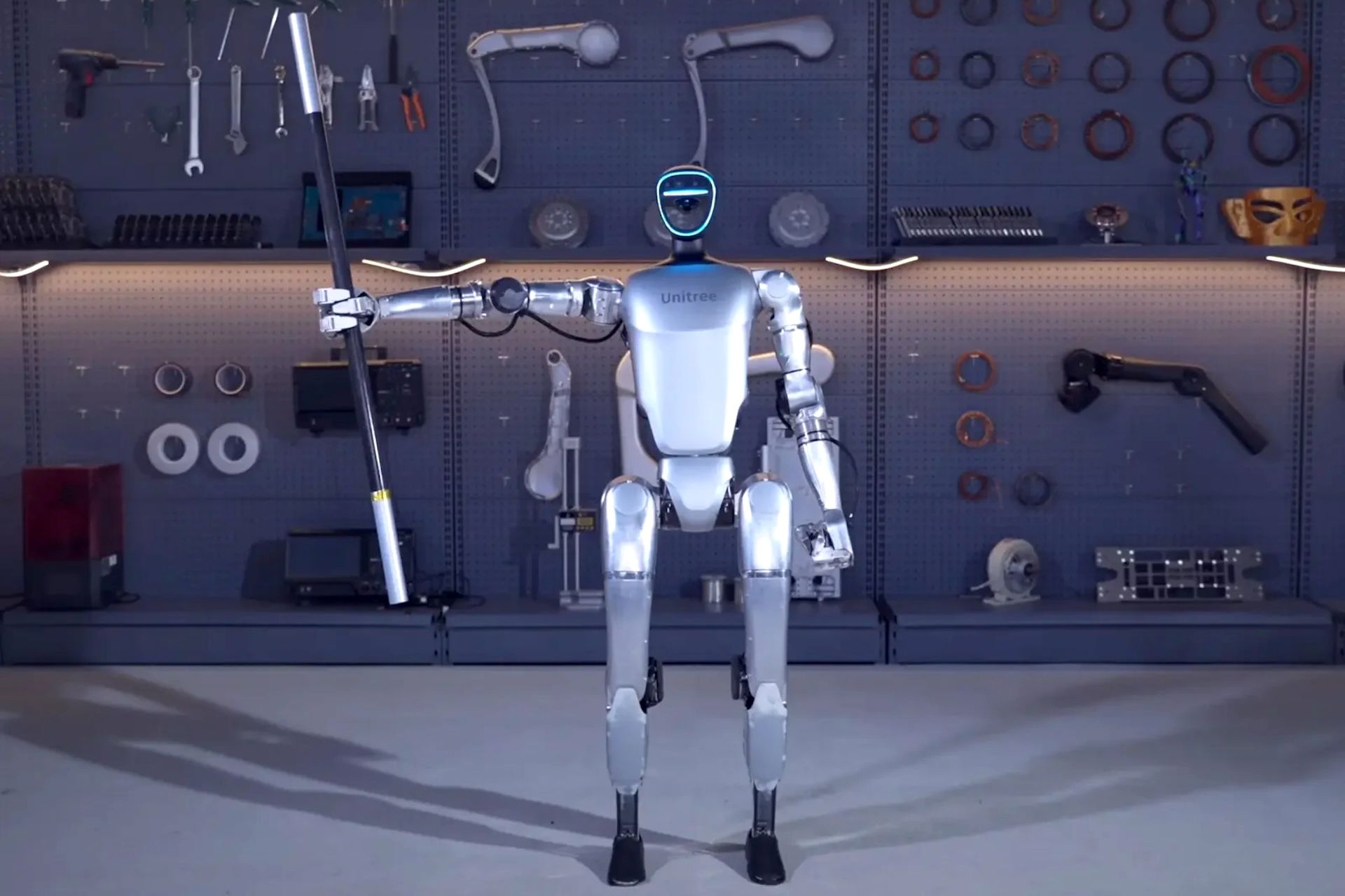
The 35kg robot faced temperatures dropping to -15°C and wind gusts of 90 km/h during its ascent in Ecuador. To ensure functionality at such heights, engineers equipped the G1 with custom cold-weather insulation, composite feet, and an autonomy stack trained in NVIDIA Isaac Sim. The team successfully managed the robot’s transport by disassembling it into a 690mm frame for transit between camps, reassembling the unit at each stage of the climb.
This expedition acts as a technical precursor for an upcoming attempt on Mount Everest scheduled for this autumn. The project team, which includes production staff from the documentary 14 Peaks: Nothing Is Impossible, intends to use these tests to validate autonomous infrastructure for conservation efforts. According to Geologic Dome founder Pablo Berlanga Boemare, the goal is to develop robotic systems capable of monitoring remote ecosystems where human presence is either too dangerous or unsustainable. Following the Everest mission, the robot will be donated to the local Sherpa community as part of a broader initiative to support land and nature preservation.



Comments (0)
No comments yet. Be the first!