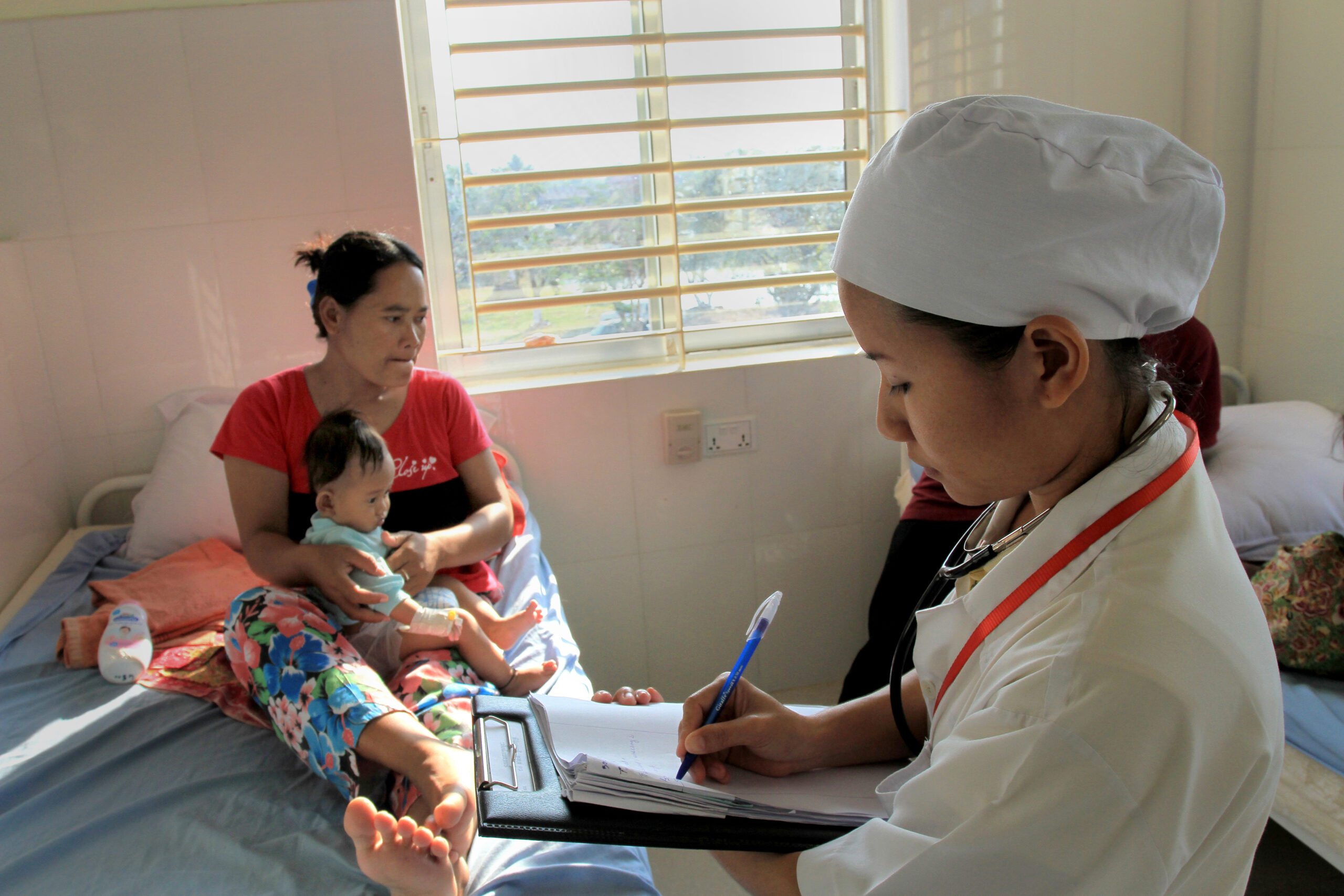
The gathering brought together over 50 experts from government, academia, and international development agencies to examine new supply assessments and budget impact models. Current data suggests that a phased rollout of UNIMMAP micronutrient supplements is financially viable, provided the country strengthens its procurement and regulatory frameworks. While Cambodia currently relies on imported supplies, officials are exploring domestic pharmaceutical manufacturing as a long-term strategy for sustainability.
Beyond budget considerations, the participants analyzed how to scale these interventions beyond the ongoing demonstration pilot in Takeo province. Dr. Kim Rattana, director of the National Maternal and Child Health Center, noted that these assessments provide the necessary evidence to shape a national roadmap. By prioritizing policy readiness and supply chain capacity, the Ministry of Health aims to reduce adverse birth outcomes, including low birth weight and preterm delivery, which remain persistent public health concerns across the country.




Comments (0)
No comments yet. Be the first!