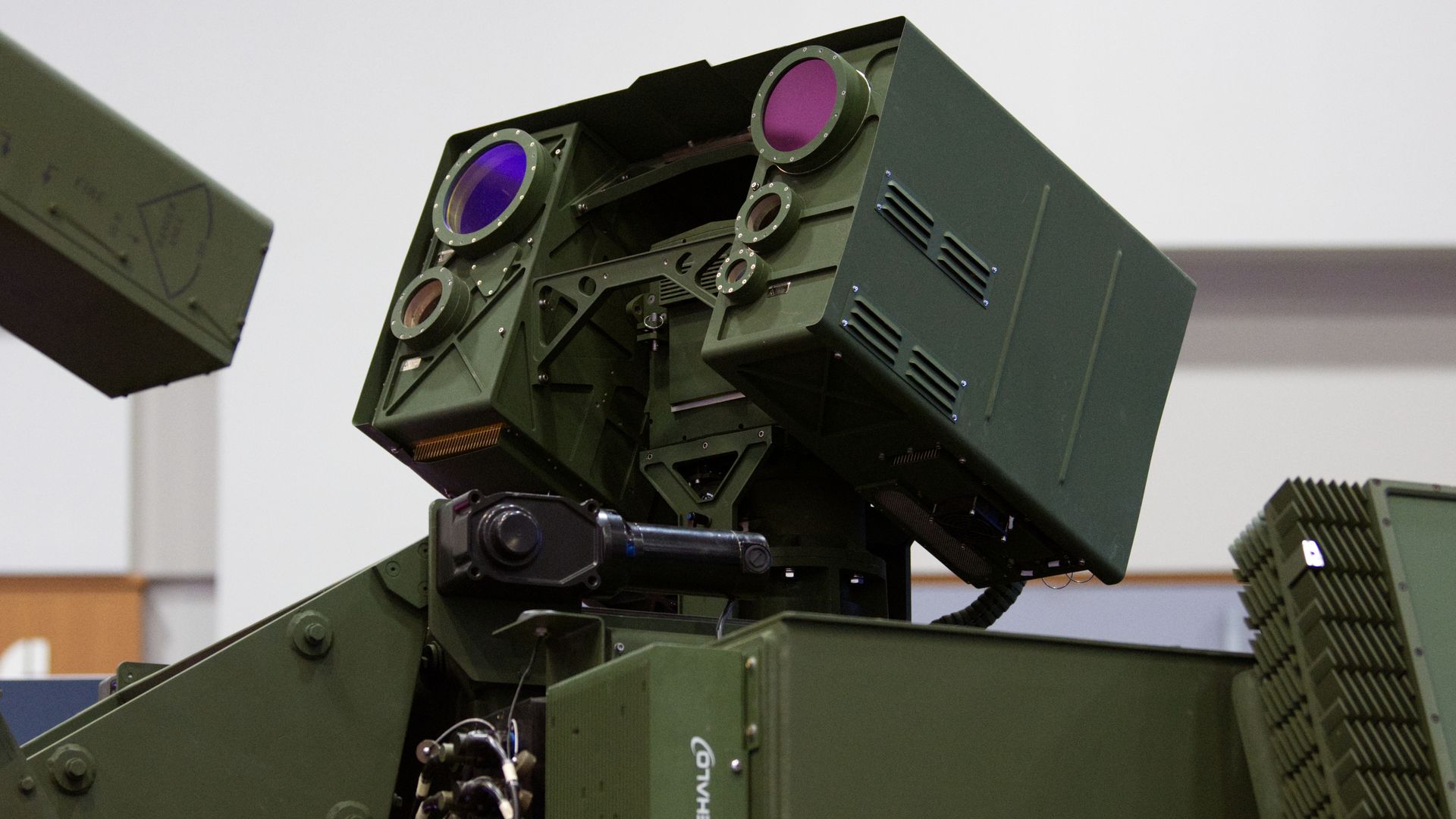
The company’s technology addresses a fundamental economic imbalance in modern warfare. Legacy interceptors often cost upwards of $100,000 per round, making them unsustainable against mass-produced, low-cost FPV drones. Neura’s sensor-agnostic system fuses radar, acoustic, and thermal data to identify targets that emit no radio signal. By integrating a cognitive AI layer, the platform compresses threat classification and decision-making into seconds.
Central to the company’s strategy is the Raptor, an autonomous interceptor currently in development with a target cost of less than $200 per unit. This potential 500-to-1 cost advantage aims to shift the math of drone defense in favor of the defender. Beyond the interceptor, the firm is rolling out the Sentinel product family, which ranges from body-worn sensors to fixed-site installations, all designed to mesh into a unified operational picture. With patents filed and flight demonstrations scheduled for 2027, the company is leveraging its leadership’s background in military command and sensor technology to integrate its solutions across the existing defense acquisition ecosystem.



Comments (0)
No comments yet. Be the first!