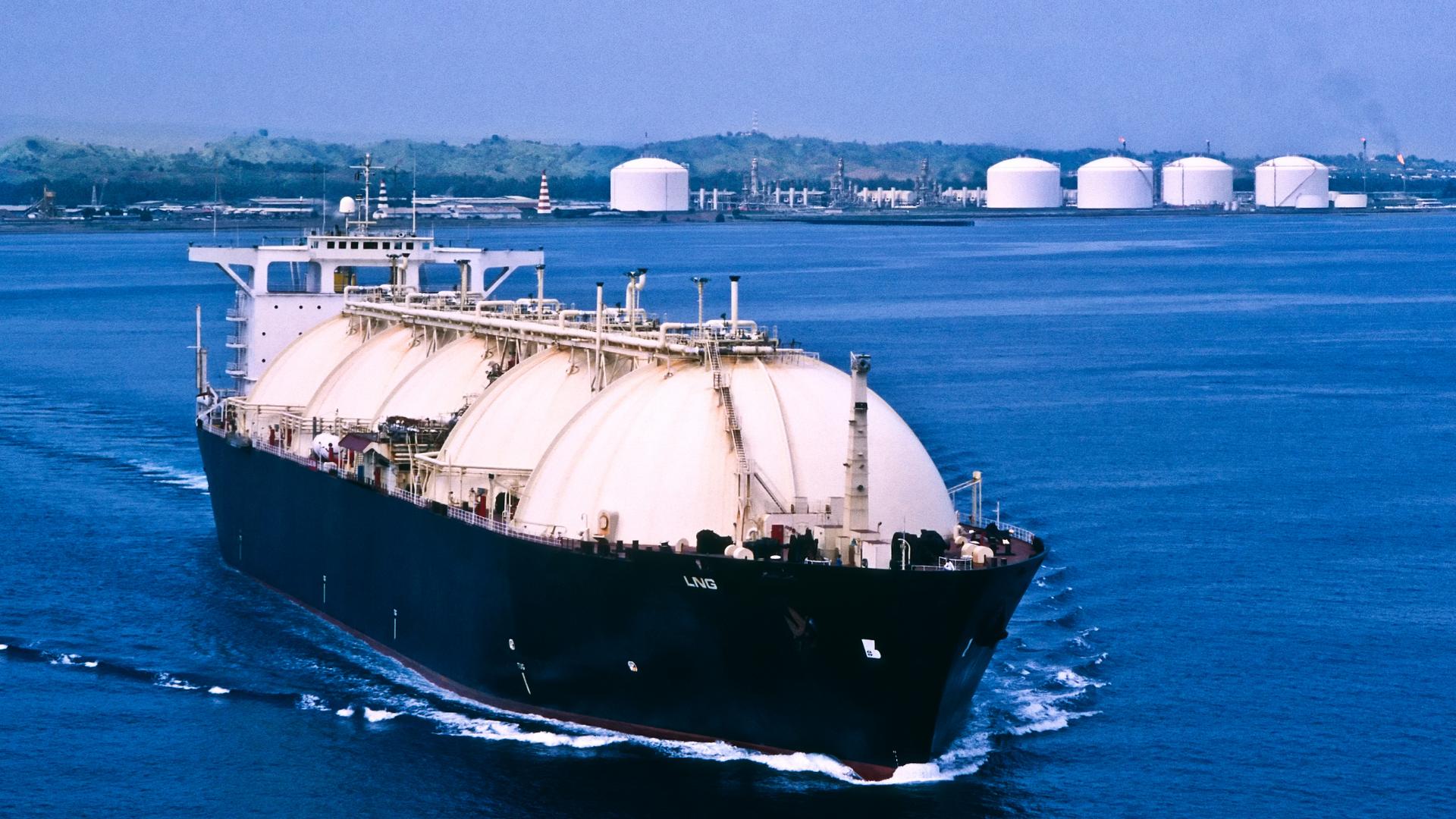
Natural gas currently fuels over 23% of Taiwan’s power generation, bolstered by 36% from oil and 32% from coal. This heavy reliance on imported hydrocarbons creates a precarious environment for the island’s electronics sector, particularly for TSMC, which consumes 8% of total electricity. As the region pivots toward becoming an artificial intelligence hub, electricity demand is expected to accelerate, further straining an already thin supply chain.
The Hormuz crisis forced Taiwan to replace lost Qatari shipments with U.S. liquefied natural gas. While this pivot prevented immediate blackouts, analysts warn that emergency spot-market purchases are no substitute for stable, long-term contracts. These stopgap measures carry significant price premiums and leave the island exposed to outbidding by wealthier nations. Although Taiwan’s export sector remains robust, with a 51% surge in May, the threat of a potential maritime blockade by mainland China looms over the economy.
To mitigate these risks, the state-owned CPC Corporation is shifting its procurement strategy toward long-term diversification beyond the Middle East. However, the transition remains complicated by the limitations of renewable energy, which currently accounts for only 5% of the power mix. As technology companies grapple with the inability of wind and solar to provide reliable baseload power, Taiwan’s path forward hinges on securing stable, non-Middle Eastern fossil fuel supplies while balancing its geopolitical exposure.




Comments (0)
No comments yet. Be the first!