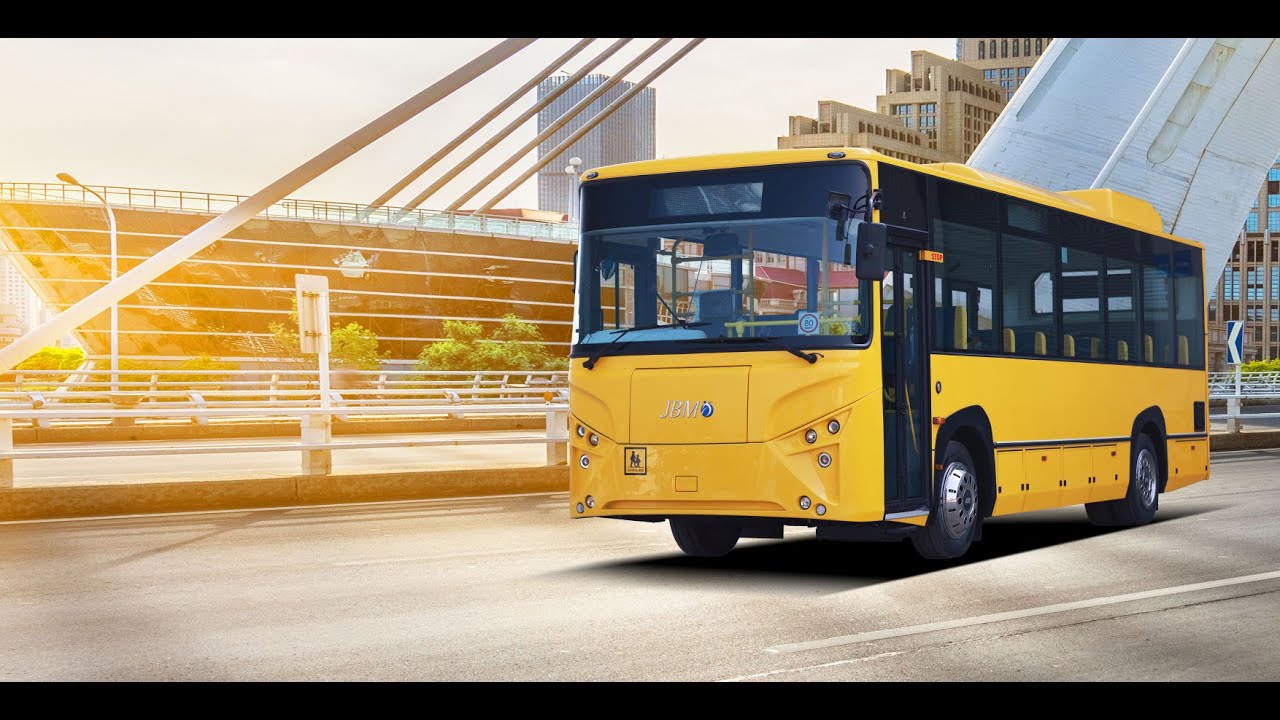
GVC, which has served Bronx students with special needs for over three decades, installed 23 dual-port chargers at its Zerega Avenue depot to power the new fleet. The transition is expected to eliminate 1 million pounds of carbon emissions annually, sparing students from the tailpipe pollutants—soot and nitrogen oxides—that contribute to respiratory distress. The project specifically targets a two-mile corridor that handles roughly 20 percent of the city's school buses and thousands of other heavy-duty vehicles.
Con Edison facilitated the shift through its MHD Make-Ready Pilot program, providing a $450,000 incentive alongside necessary grid upgrades and a new transformer. Further funding arrived via the New York School Bus Incentive Program, backed by the state’s Environmental Bond Act. For the 800 students who rely on GVC for daily transport, the change offers a quieter, cleaner ride that drivers note is particularly beneficial for children with autism who are sensitive to noise and fumes. Beyond the immediate health benefits, local officials view the project as a model for environmental justice, prioritizing infrastructure investment in communities that have historically shouldered the heaviest burden of urban pollution.



Comments (0)
No comments yet. Be the first!