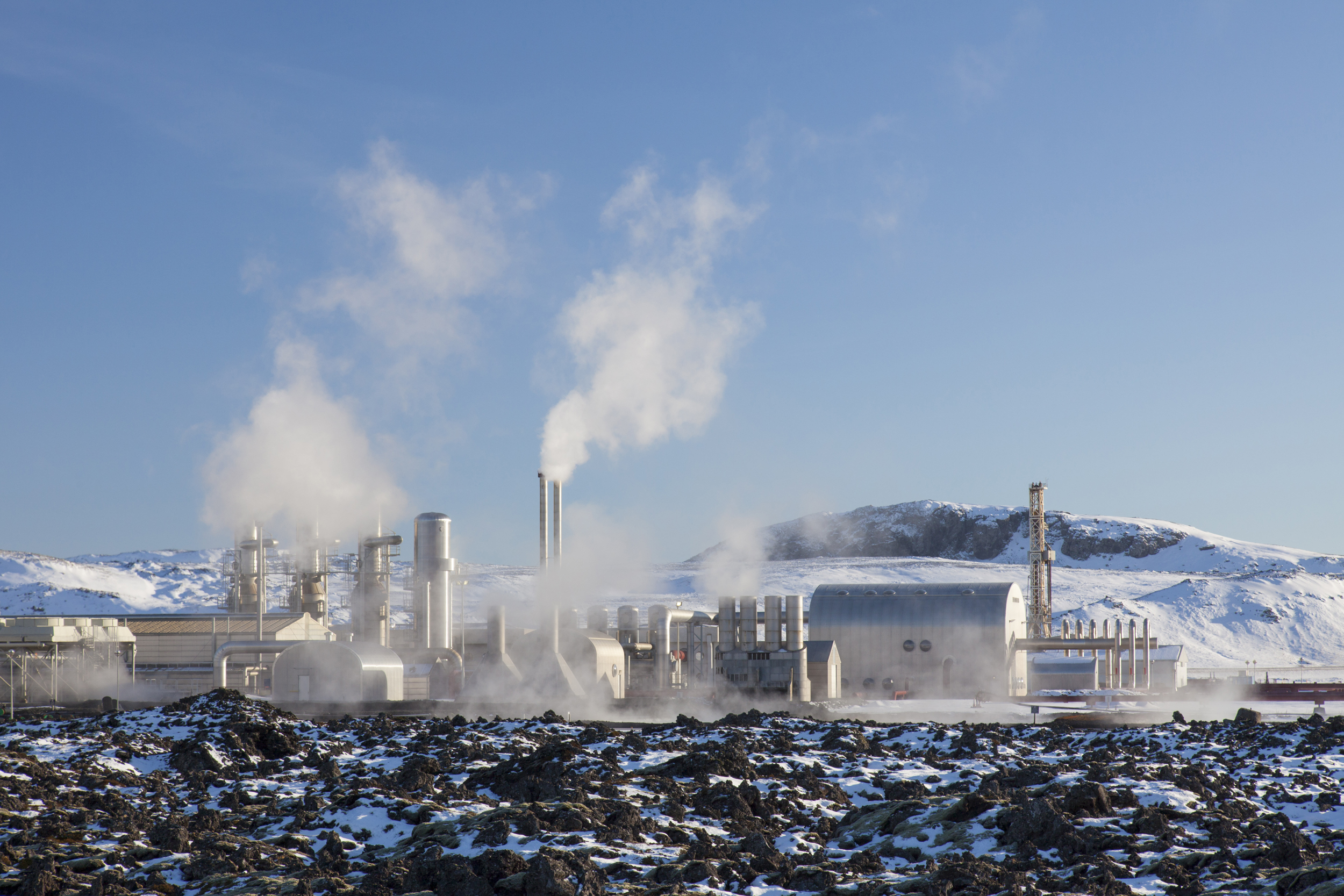
Enhanced geothermal systems are poised to break their geographic constraints. While traditional geothermal plants required specific geological anomalies like geysers, modern drilling allows access to the Earth’s thermal core almost anywhere. Although the sector currently accounts for only 0.4 percent of the U.S. energy mix—roughly 3.7 gigawatts of installed capacity—it is rapidly gaining momentum as a necessary partner for data centers. The Rhodium Group estimates that geothermal could satisfy up to 64 percent of the projected growth in data center energy demand by the early 2030s.
Beyond electricity, geothermal offers a massive efficiency gain for thermal regulation. Cornell University is currently piloting a project to heat its campus directly from the Earth, bypassing the energy losses inherent in converting heat to electricity and back again. Similarly, the Riverie residential complex in Brooklyn utilizes a massive geoexchange system, which is projected to cut carbon emissions from heating and cooling by 53 percent. With bipartisan backing in Washington and significant capital flowing from Silicon Valley, the industry is positioning itself to bypass the regulatory and public-perception hurdles that have historically slowed nuclear and wind development.




Comments (0)
No comments yet. Be the first!