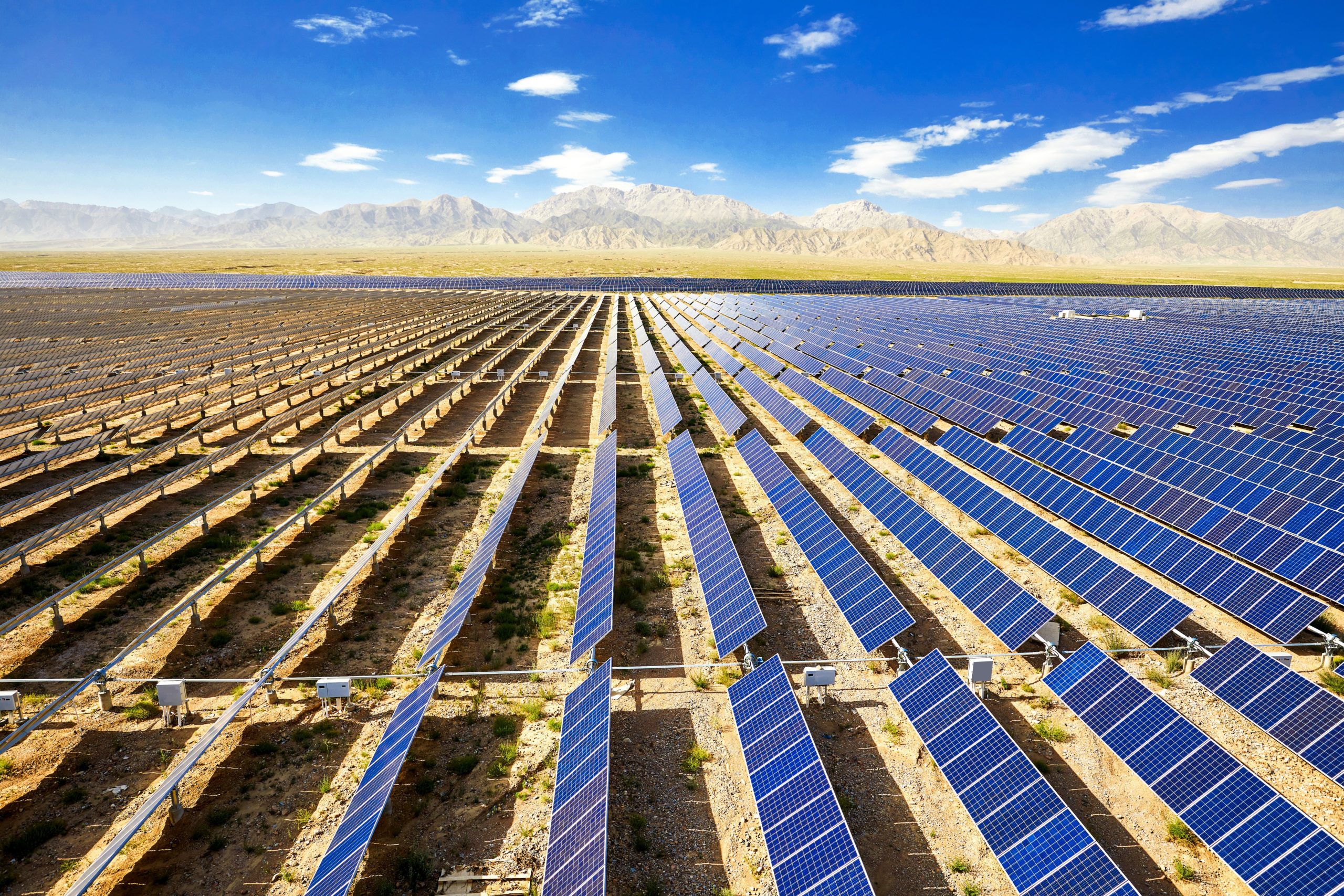
The current acceleration in solar, electric vehicle, and battery storage adoption marks a decisive break from the past. Historically, supply shocks prompted nations to double down on fossil fuels as reliable baseload power. Today, global leaders are viewing domestic renewable infrastructure as a vital buffer against the supply chain vulnerabilities recently highlighted by disruptions in the Strait of Hormuz. As David Frykman of the venture capital group Norrsken noted, solar and wind power cannot be embargoed or shut off by adversaries, making every megawatt of local generation a strategic asset.
This shift is largely driven by the democratization of energy. Unlike oil and gas, which are concentrated in specific, often unstable regions, renewable resources are available globally. This accessibility has allowed nations in the Global South to rapidly expand capacity, sometimes outpacing larger economies. Even in the United States, where policy support has fluctuated, the economic reality of the transition has solidified. Renewable technologies have reached a point where their price stability and resilience outweigh political opposition. The transition has moved into a third phase of growth: where emissions targets are secondary to the urgent necessity of national energy independence.


/aerial-view-of-shanghai-jingan-temple-at-dusk-1034408882-5bdb7c4bc9e77c00268226ca.jpg)

Comments (0)
No comments yet. Be the first!