
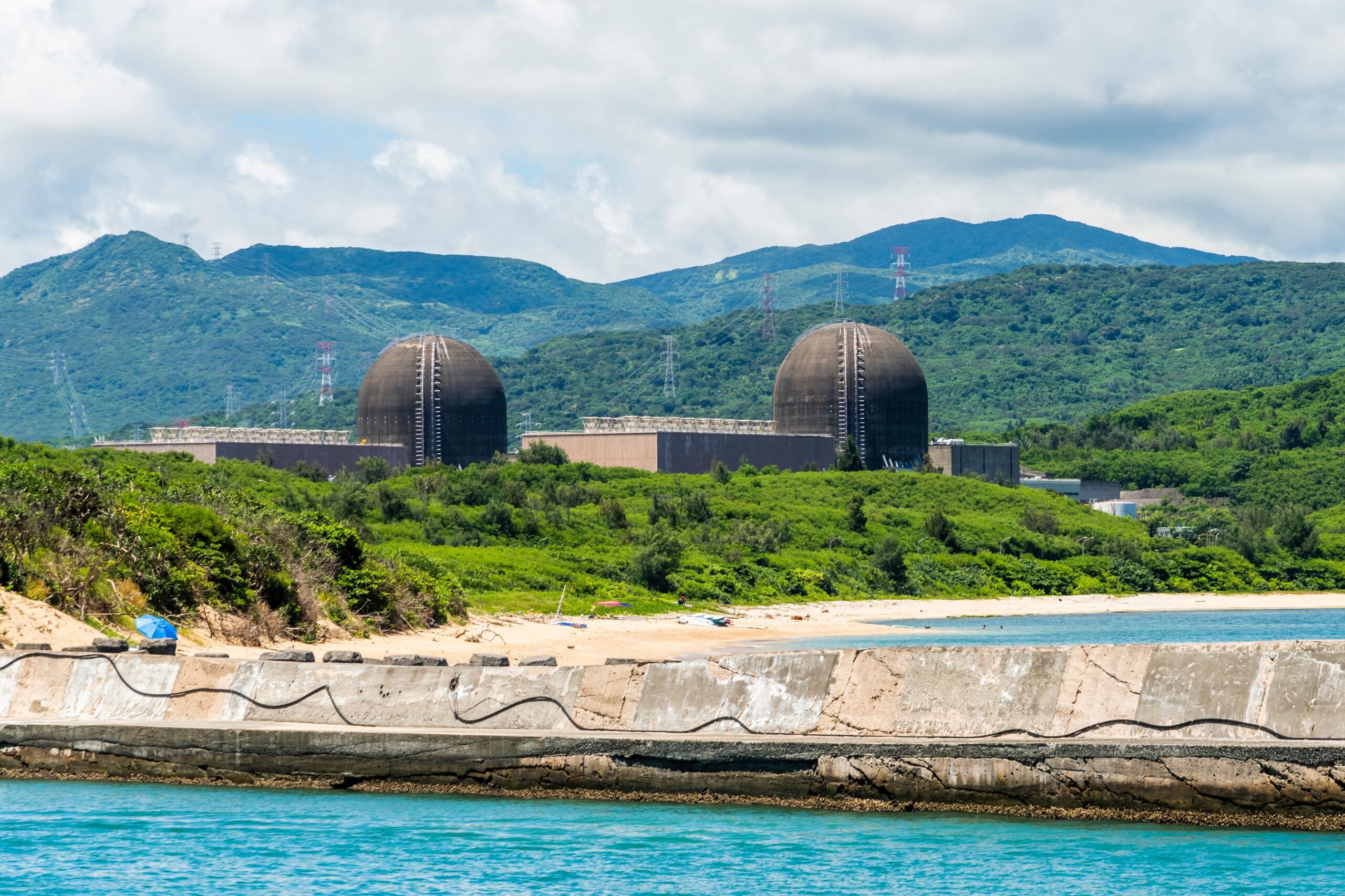
Tritium decay currently serves as a primary, albeit limited, source of Helium-3. Because this isotope is a byproduct of nuclear weapons maintenance, supply is strictly tethered to government stockpiles and defense infrastructure. This cap makes it an unreliable candidate for scaling to meet the demands of advanced computing or fusion research, despite its established recovery process.
Conversely, Pulsar Helium is exploring terrestrial deposits using conventional drilling technology similar to natural gas extraction. This approach sits in the middle of the spectrum, offering moderate scalability and accessibility without the need for orbital transport. While the theoretical energy requirements for separating Helium-3 from gas streams are measurable, the commercial viability depends on overcoming the significant capital and operational costs inherent in large-scale drilling.
Lunar mining remains a long-term theoretical prospect. Although the regolith is rich in solar wind-deposited Helium-3, the logistical hurdle of mining, processing, and transporting materials from the Moon to Earth is currently insurmountable. Until launch costs and extraction infrastructure reach a point of maturity, the near-term supply chain will stay firmly grounded on Earth, where existing deposits provide a more realistic, if modest, path to market.


Comments (0)
No comments yet. Be the first!