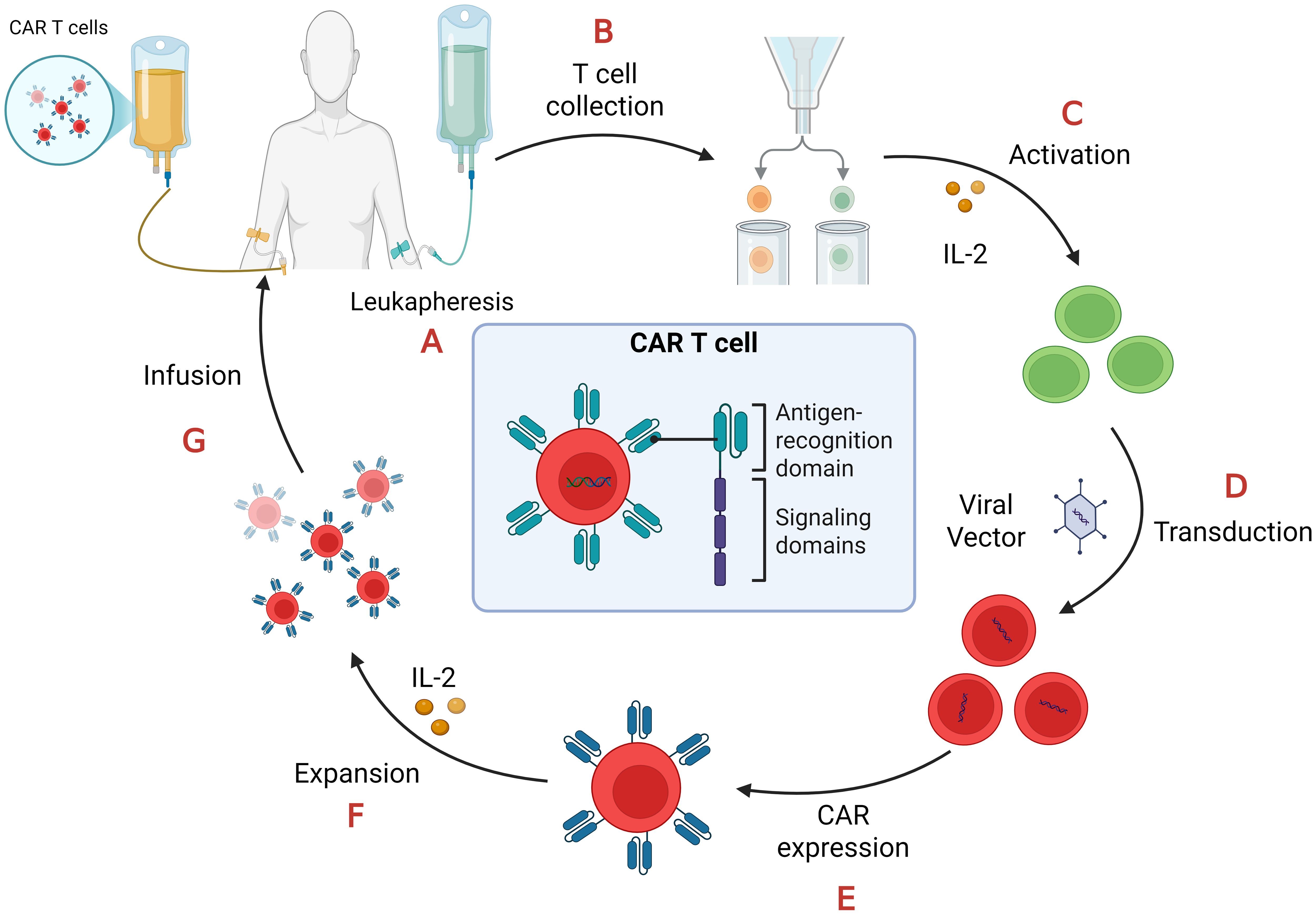
Developed by Shanghai-based CARsgen Therapeutics, the therapy represents a shift in cellular medicine, which has historically been limited to hematologic malignancies. The National Medical Products Administration’s decision follows clinical data published in The Lancet, confirming that satri-cel offers significant efficacy for patients with advanced, heavily pretreated cancer. Unlike traditional CAR-T approaches, this treatment utilizes a proprietary preconditioning regimen—incorporating low-dose nab-paclitaxel alongside standard lymphodepletion—to improve cell infiltration into solid tumor environments.
Professor Lin Shen of Peking University Cancer Hospital, who led the clinical studies, emphasized that the therapy provides a meaningful alternative to conventional chemotherapy. Beyond addressing the immediate needs of patients with metastatic disease, the approval serves as a springboard for further trials. CARsgen is currently investigating the potential of satri-cel in earlier lines of therapy and as an adjuvant treatment for other malignancies, including pancreatic and biliary tract cancers. For a patient population currently facing a 5-year survival rate of approximately 10% for advanced gastric cancer, the arrival of this therapy aims to transition treatment goals from mere survival extension to improved quality of life.



Comments (0)
No comments yet. Be the first!