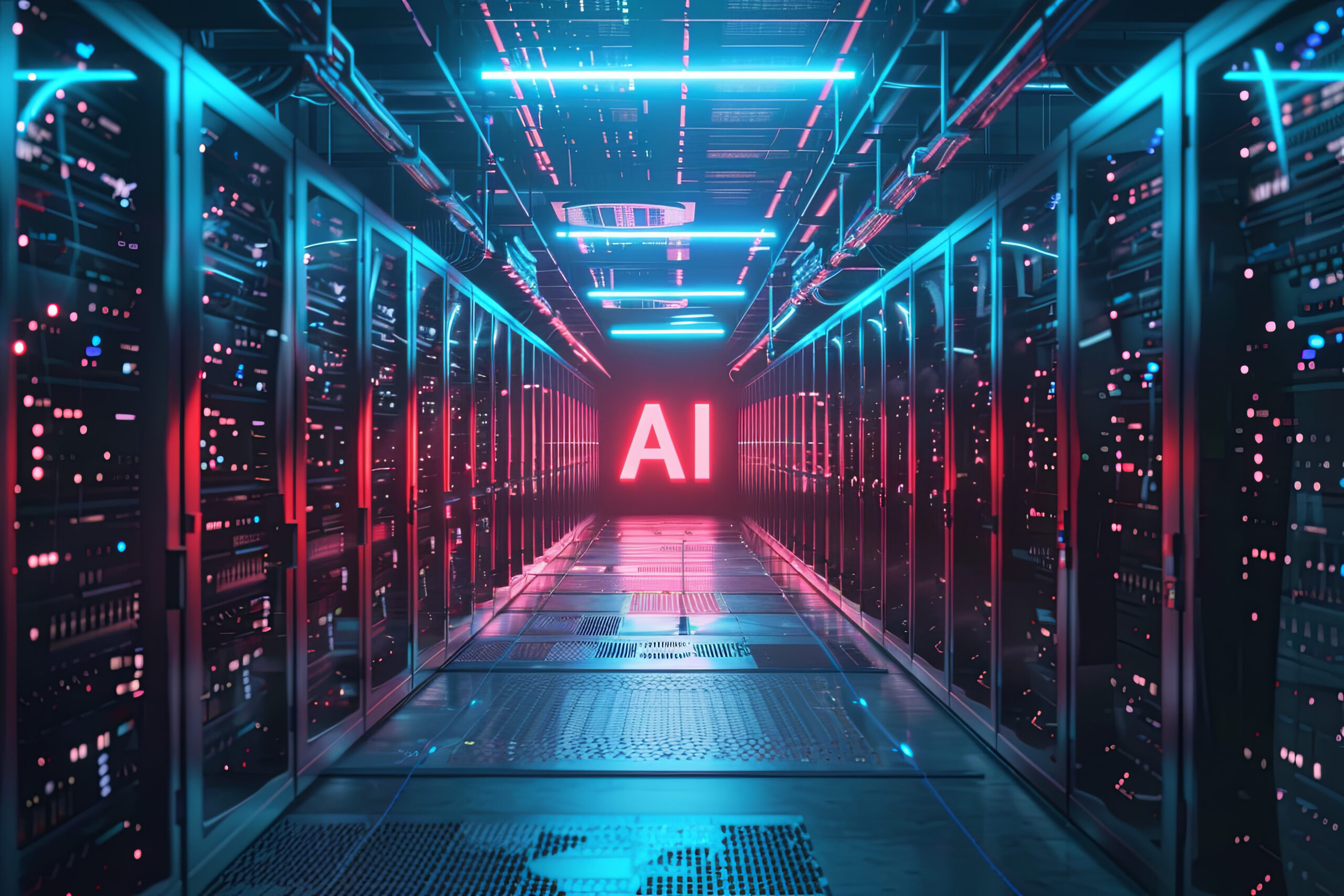
The scale of this demand is staggering. Data centers required roughly 415 terawatt-hours of electricity in 2024, a figure expected to surge to 945 terawatt-hours by the end of the decade. This consumption rivals the energy density of 1.5 million barrels of oil daily, creating a massive bottleneck for grid operators. With wait times for grid connections now exceeding four years in major markets, the bottleneck has turned reliable energy into the most valuable asset in the digital economy.
Bitzero Holdings (NASDAQ: AIBZ) has attempted to solve this by pivoting from Bitcoin mining to infrastructure ownership. By securing over a gigawatt of power capacity across Norway, Finland, and North Dakota, the company is positioning itself as a utility-grade provider for AI workloads. A recent deal with OneQode Networks to lease 110 MW of capacity at a former UN airbase in Norway highlights the trend: companies are moving away from traditional data center models toward vertical integration, where owning the power source is the only way to guarantee uptime. As hyperscalers like Nvidia, Amazon, and Meta accelerate their investment, the divide between those who control their own energy supply and those at the mercy of volatile, congested grids will likely determine the winners of the next decade.


Comments (0)
No comments yet. Be the first!