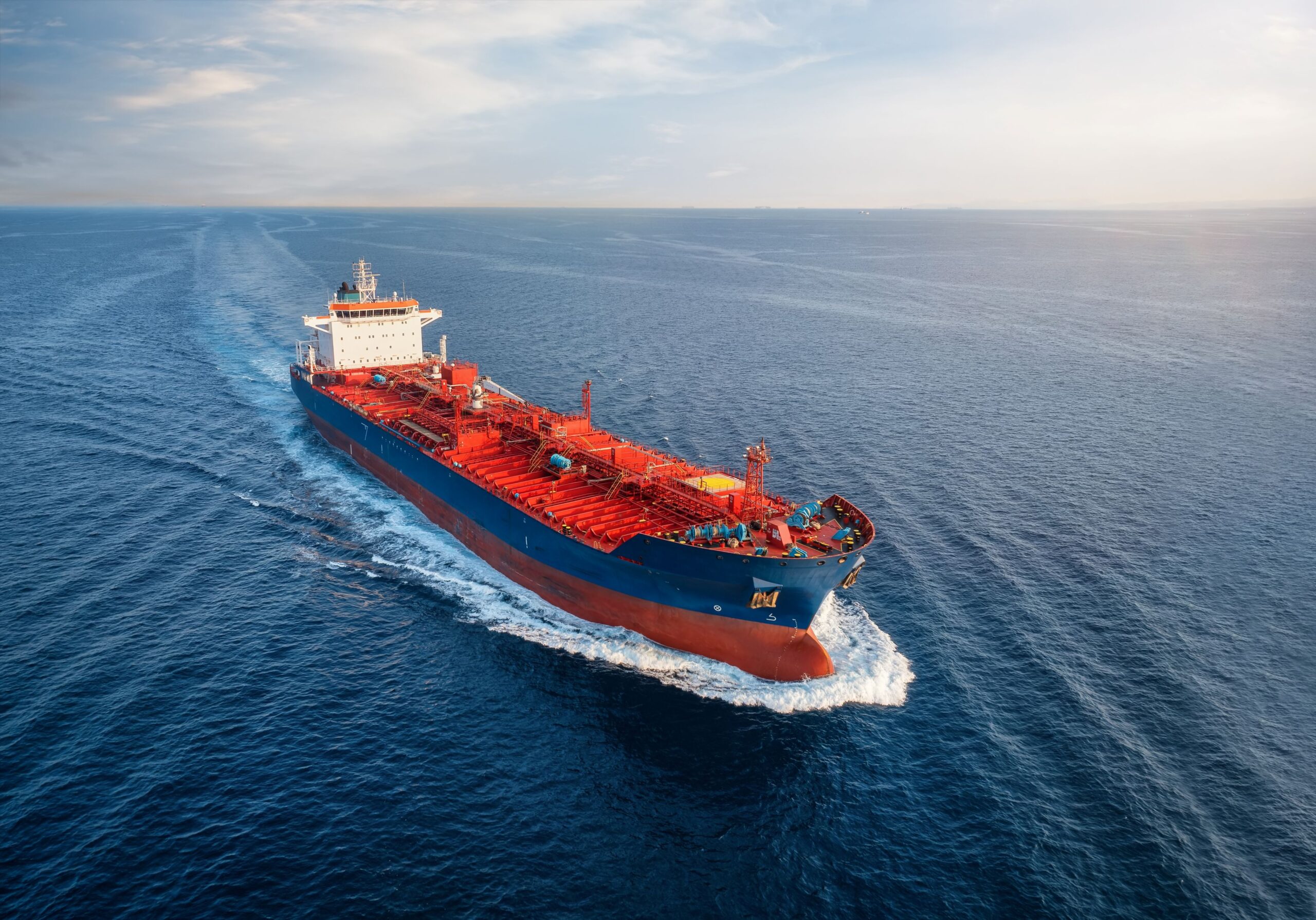
The binary narrative of a navigable versus blockaded strait misrepresents the logistical nightmare now unfolding for shippers and insurers. According to Kpler trade risk analyst Ana Subasic, the primary threat is not a physical blockade, but the degradation of positioning data. When GNSS spoofing manipulates a vessel's location, port-call verification fails and voyage reconstruction becomes impossible. This lack of reliability prevents banks and insurers from assessing risk, forcing them to treat every shipment through the region as an unquantifiable liability.
Tehran has further complicated the passage by establishing the Persian Gulf Strait Authority. This new entity now mandates that all vessels secure insurance through them and follow government-dictated routes. While initial coverage is provided free of charge, the authority reserves the right to impose fees, effectively exerting control over the waterway’s commercial flow. Tanker owners have characterized the mandate as chaotic, as it forces them to navigate both a kinetic conflict and a complex sanctions regime without the standard information flows required for global trade.
The disconnect between paper and physical markets is widening as a result. Insurance costs for a Very Large Crude Carrier have skyrocketed from a pre-war baseline of $225,000 to as much as $7.5 million per voyage. These premiums reflect the reality that lenders and insurers no longer trust the data associated with Gulf shipments. As long as these information gaps persist, the true cost of moving oil through Hormuz will continue to climb, regardless of any temporary progress in diplomatic negotiations.


Comments (0)
No comments yet. Be the first!