S&P 500 5,235.18 +1.02%EUR/USD 1.0840 +0.21%GBP/USD 1.2710 +0.14%USD/JPY 149.50 −0.18%BRENT $82.40 −0.81%BTC $67,800 −0.21%GOLD $2,341 +0.55%NASDAQ 16,420.55 +0.74%S&P 500 5,235.18 +1.02%EUR/USD 1.0840 +0.21%GBP/USD 1.2710 +0.14%USD/JPY 149.50 −0.18%BRENT $82.40 −0.81%BTC $67,800 −0.21%GOLD $2,341 +0.55%NASDAQ 16,420.55 +0.74%
A daily business newspaper · Founded in 2026

Money Talk

Finance and markets: business, quotes, gold, energy and releases.

Tanker Traffic Resumes in Strait of Hormuz

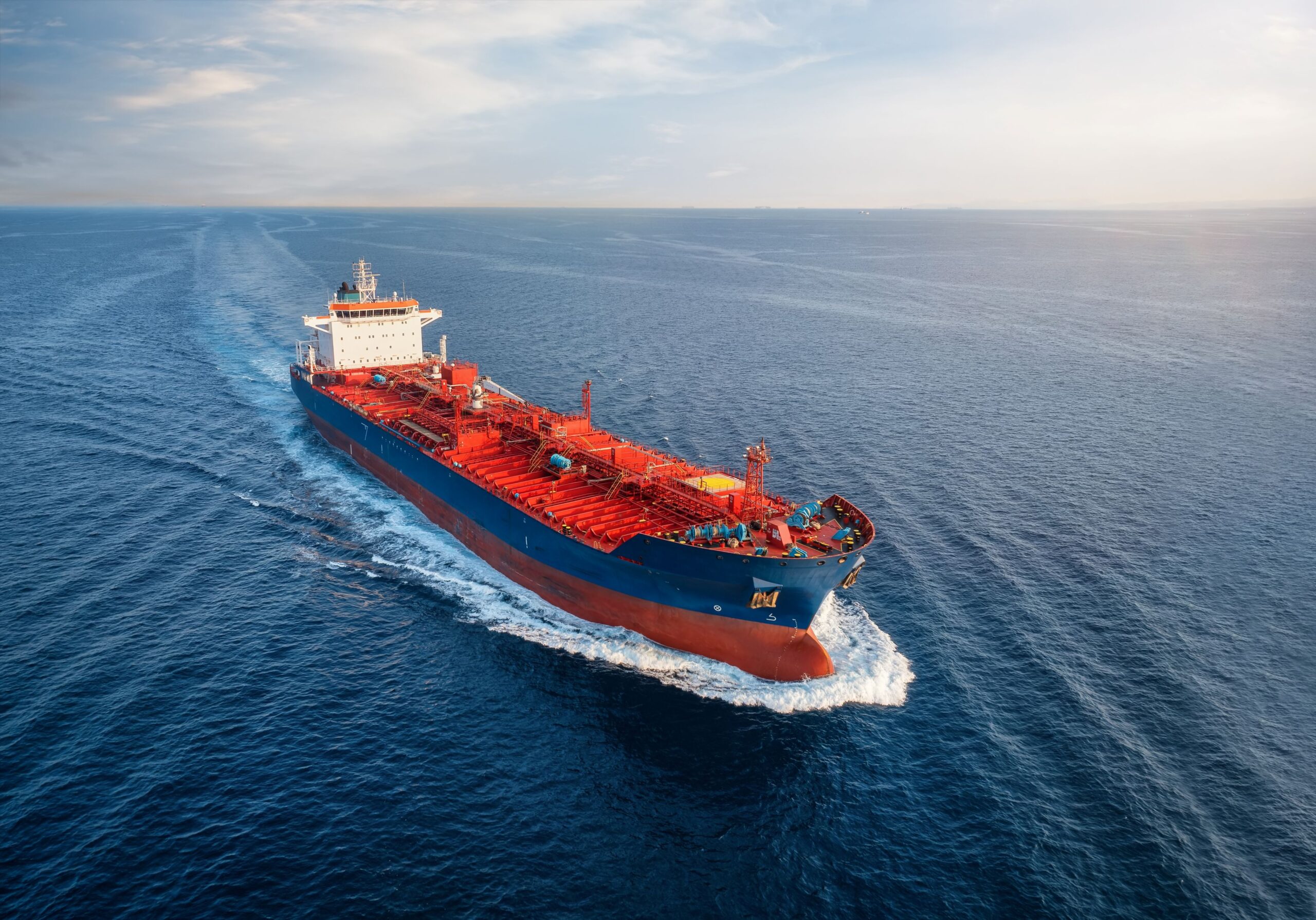
Seven tankers signaled their presence in the Strait of Hormuz on Tuesday morning, marking a shift away from the clandestine navigation that defined the region during recent tensions. The surge in AIS activity follows a signed memorandum of understanding between the United States and Iran aimed at stabilizing the critical maritime corridor.

Tanker Traffic Resumes in Strait of Hormuz

For months, the Strait of Hormuz effectively functioned as a ghost corridor. Ship operators, terrified of cargo seizures and regional conflict, routinely disabled transponders to navigate in dark mode. This practice, once a specialized tactic for evading sanctions, became a survival mechanism for global energy logistics. The sudden spike in visible transits—25 recorded by Windward on June 22—suggests a fragile return to normalcy as tracking signals reappear on maritime monitors.

Despite the improved visibility, the market remains gripped by uncertainty. Shipowners are balancing the diplomatic breakthrough against the harsh reality of ongoing risks, such as potential minefields and inconsistent safety protocols. The hesitancy is palpable: Indian Oil Corporation recently struggled to secure charters for three vessels, as many operators refuse to risk their fleets until the security environment stabilizes completely.

Share article
TelegramXFacebook

When reusing this material a link to Money Talk is required.

Comments (0)

Leave a comment

No comments yet. Be the first!