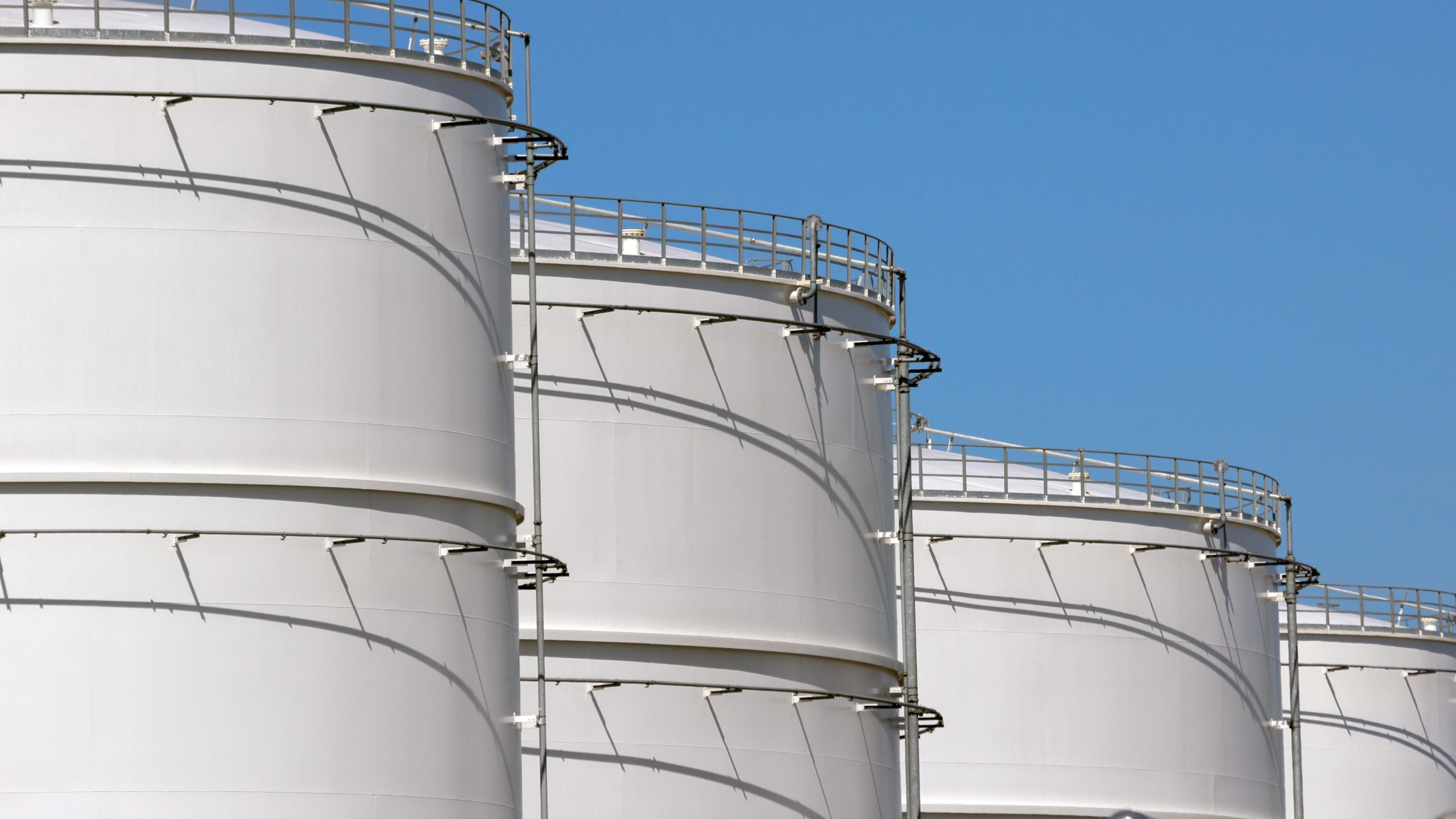
The shutdown of the world’s most critical oil chokepoint left major economies vulnerable and drained U.S. reserves to levels unseen since 1983. As inventories at the Cushing delivery hub hover at a precarious 20 million barrels, the economic reality of the coming years is clear: filling these new and depleted storage sites will require an estimated 1 billion barrels of crude. This massive logistical undertaking is expected to provide a consistent floor for oil prices even as the flow through the Persian Gulf tentatively resumes.
India is leading the charge, tasking state-owned ONGC with a $1.6 billion project to expand its current eight-day reserve capacity. Meanwhile, Australia has committed $7 billion to meet international stockholding obligations after being forced to source jet fuel from China during the height of the crisis. Even top exporters are joining the trend; Saudi Aramco is evaluating plans to establish larger global storage footprints to ensure its crude remains available to key markets during future geopolitical flare-ups. This build-out reflects a broader shift where energy security is no longer merely about production, but about physical proximity to the fuel.


Comments (0)
No comments yet. Be the first!