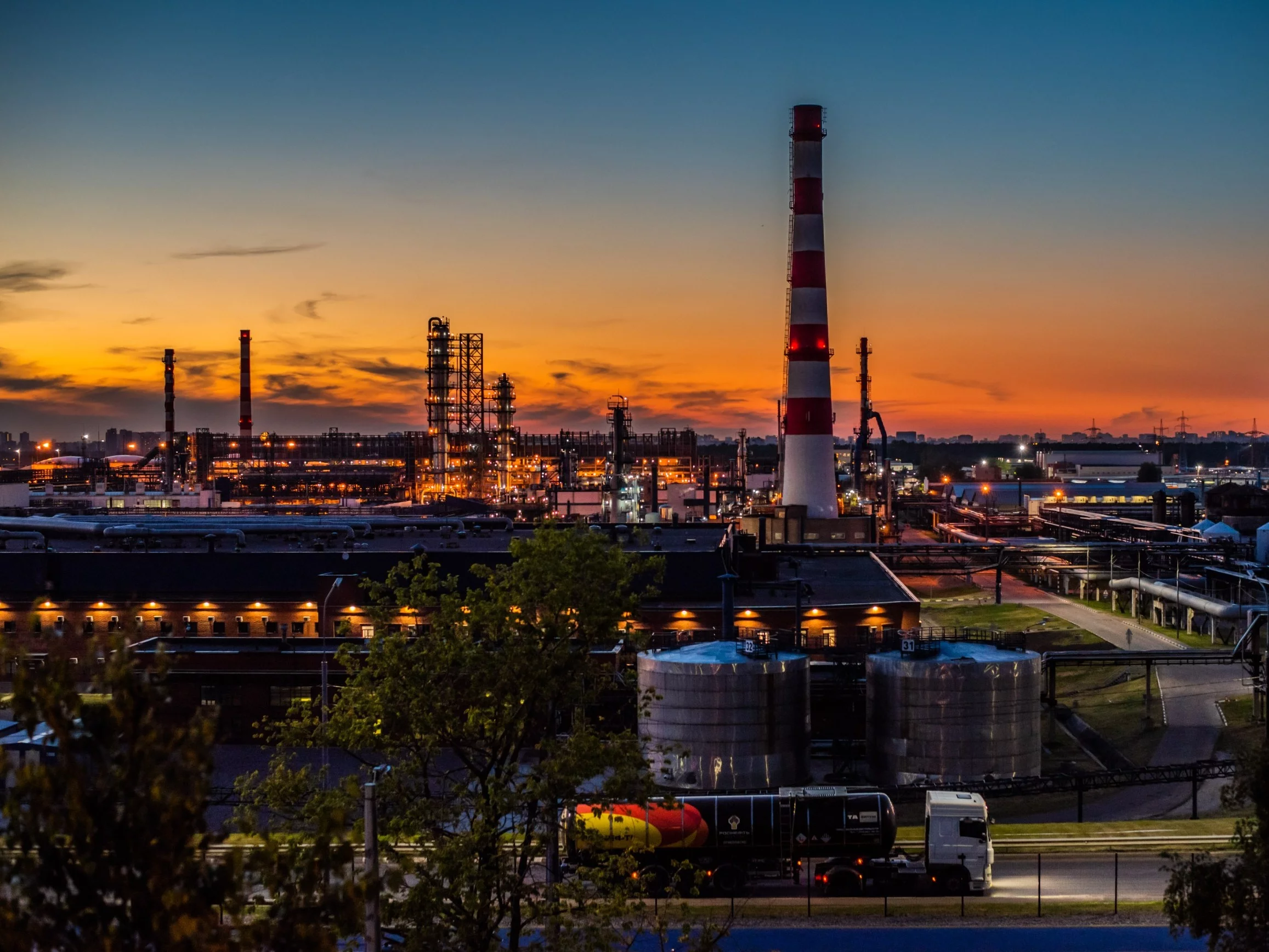
The facility’s primary refining unit, responsible for 53% of its processing capacity, remains offline following the back-to-back attacks. This loss forces Moscow to source nearly half of its capital’s fuel requirements from elsewhere, complicating efforts to stabilize domestic markets. Deputy Prime Minister Alexander Novak has acknowledged the strain, noting that the government is evaluating a total ban on diesel exports and potential maritime fuel imports to plug the gap.
Market pressure has already triggered localized shortages across ten regions, where authorities have implemented rationing capped at 30 to 40 liters per vehicle. While parliament recently fast-tracked subsidies and tax incentives to prioritize domestic supply, the infrastructure remains vulnerable. Recent strikes against strategic storage hubs, including the Kombinat Temp depot in Rybinsk, have further depleted the safety margins managed by the Federal Agency for State Reserves. With weekly gasoline output dropping by nearly 25% nationally, the state is now looking toward alternative suppliers in Turkey and Asia to prevent a complete breakdown in distribution.




Comments (0)
No comments yet. Be the first!