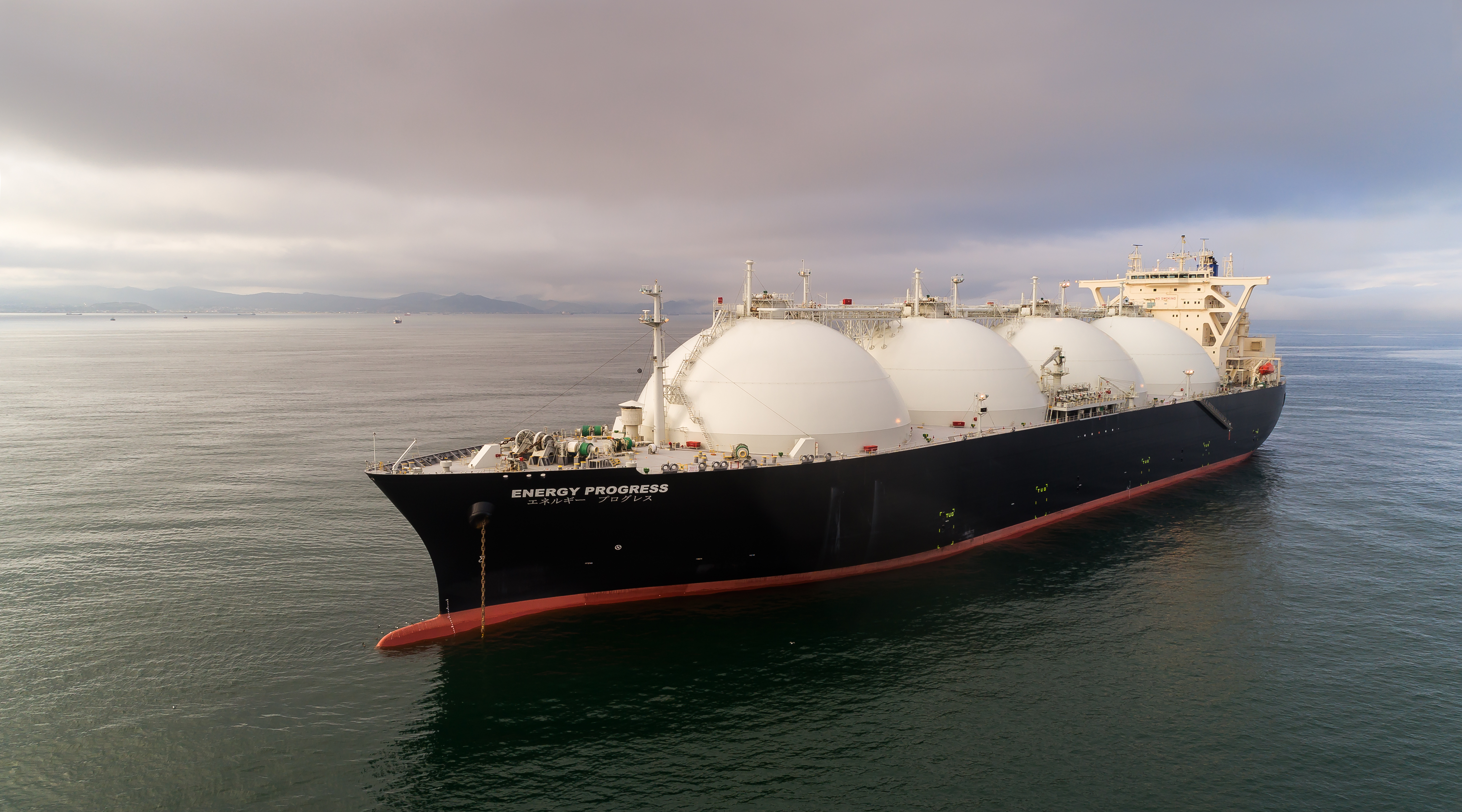
The dispute centers on a regulation requiring suppliers to track and report methane emissions from wellhead to delivery, or face stiff financial penalties. U.S. Energy Secretary Chris Wright and Qatari Energy Minister Saad al-Kaabi argued that the requirements are technically impossible to implement, particularly within the fragmented U.S. shale gas network. They contend that tracking every molecule of gas through complex infrastructure is physically unfeasible, making the current regulatory framework a non-tariff trade barrier that threatens the stability of European energy imports.
While Brussels has offered a partial concession by delaying enforcement of financial penalties until 2030, exporters remain dissatisfied, demanding a full rollback of the policy. The tension is compounded by Europe’s heavy reliance on foreign supply, with the U.S. currently providing nearly 60% of the bloc's LNG. Despite claims from climate researchers that sufficient compliant gas exists globally, the primary suppliers disagree, suggesting that the regulation is less about environmental standards and more about forcing a reduction in gas consumption. As EU energy ministers prepare to discuss the policy, the clash between climate ambitions and industrial energy security remains unresolved.




Comments (0)
No comments yet. Be the first!