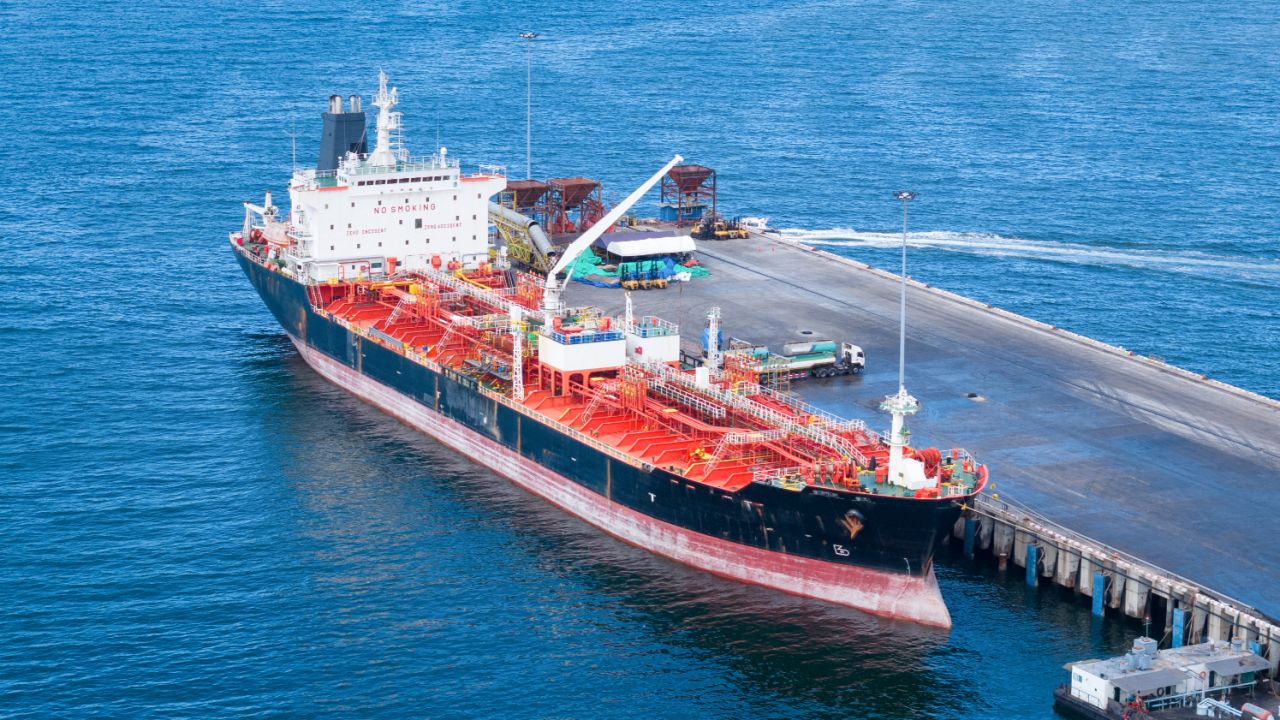
Indonesia’s domestic production has dwindled to roughly 577,000 barrels per day, leaving a significant deficit for its 950,000 b/d refining capacity. Faced with structural shortages—particularly in gasoline—Jakarta is increasingly looking toward Moscow to fill the gap. Following President Prabowo Subianto’s visit to Russia in April, reports suggest a commitment to supply up to 150 million barrels of crude and refined products at preferential rates.
To navigate the complexities of international sanctions, Indonesia has empowered the agency Lemigas to oversee imports, effectively shifting the trade to a government-to-government framework. This structure provides a buffer for state-owned Pertamina, which remains sensitive to international bond-related sanctions. While payment hurdles persist, the relationship may expand beyond simple commodity trading to include infrastructure investments, such as the long-stalled $24 billion Tuban refinery project.
Russian grades like ESPO and Sokol are natural fits for Indonesian refineries, though distance remains a logistical challenge. Despite longer transit times compared to Middle Eastern suppliers, the economic incentive of discounted Russian barrels is proving difficult to ignore. Indonesia is not alone in this shift; the Philippines and Vietnam are similarly exploring formal frameworks to secure Russian energy, signaling a broader regional trend where national security imperatives are beginning to outweigh the constraints of Western sanctions policy.


Comments (0)
No comments yet. Be the first!