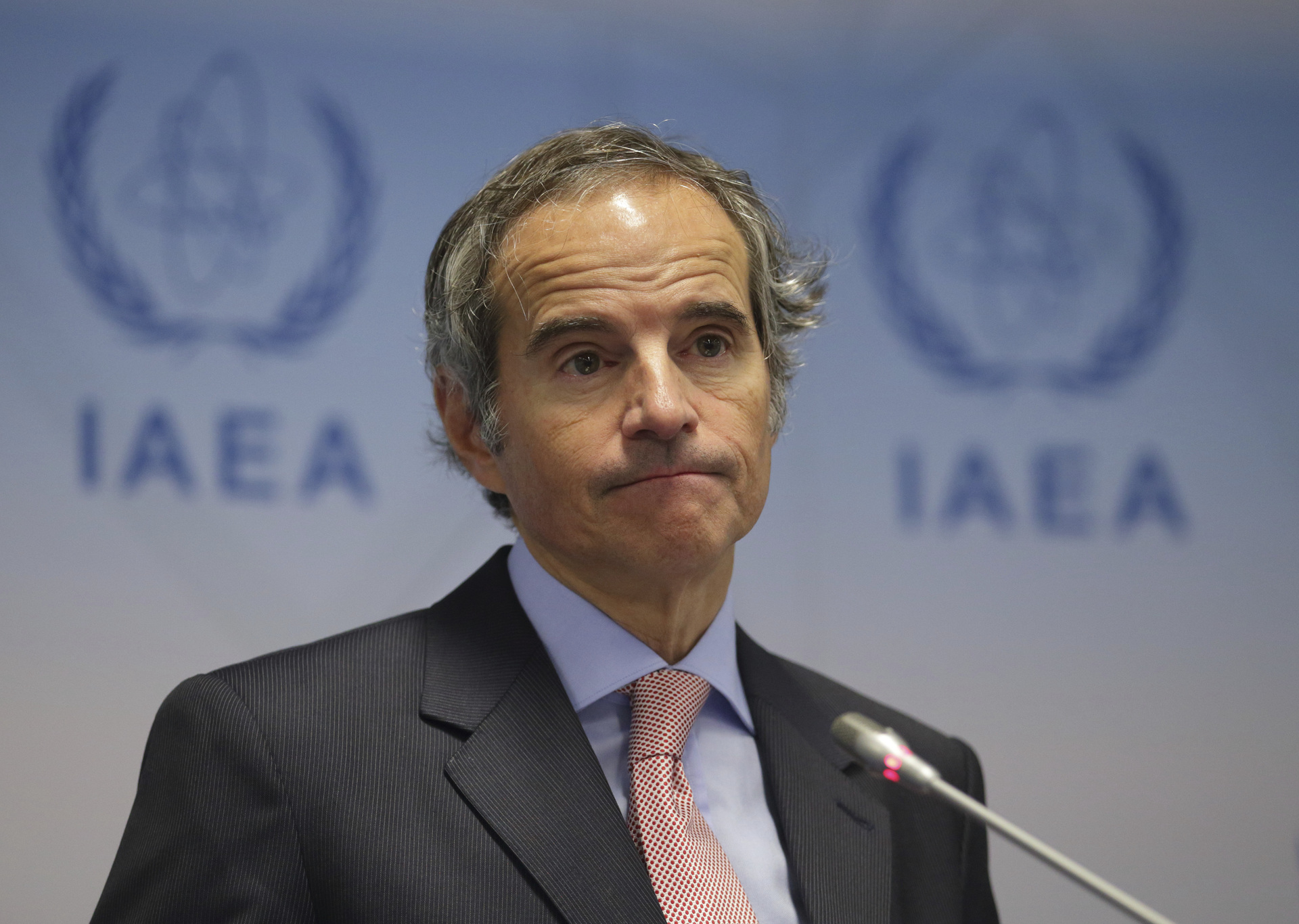
The International Atomic Energy Agency is preparing a blueprint for potential re-entry into Iran, prioritizing the location and characterization of approximately 450 kilograms of highly enriched uranium. While a US-Iranian memorandum of understanding outlines a minimum methodology requiring on-site downblending under UN supervision, technical experts warn that the process is fraught with risks. If Iran conducts the dilution independently, inspectors may be unable to verify whether the original stockpile was fully accounted for, potentially masking clandestine remainders.
Verification hinges on the IAEA’s ability to move beyond routine facility inspections and gain broader access to the fuel cycle. Laura Rockwood, a former agency negotiator, emphasizes that without the formal implementation of the Model Additional Protocol, the watchdog remains limited in its capacity to track centrifuge production and covert enrichment efforts. The current lack of access to damaged sites has already created significant gaps in monitoring, turning the prospect of future inspections into what experts describe as a heavy, uncertain slog.



Comments (0)
No comments yet. Be the first!