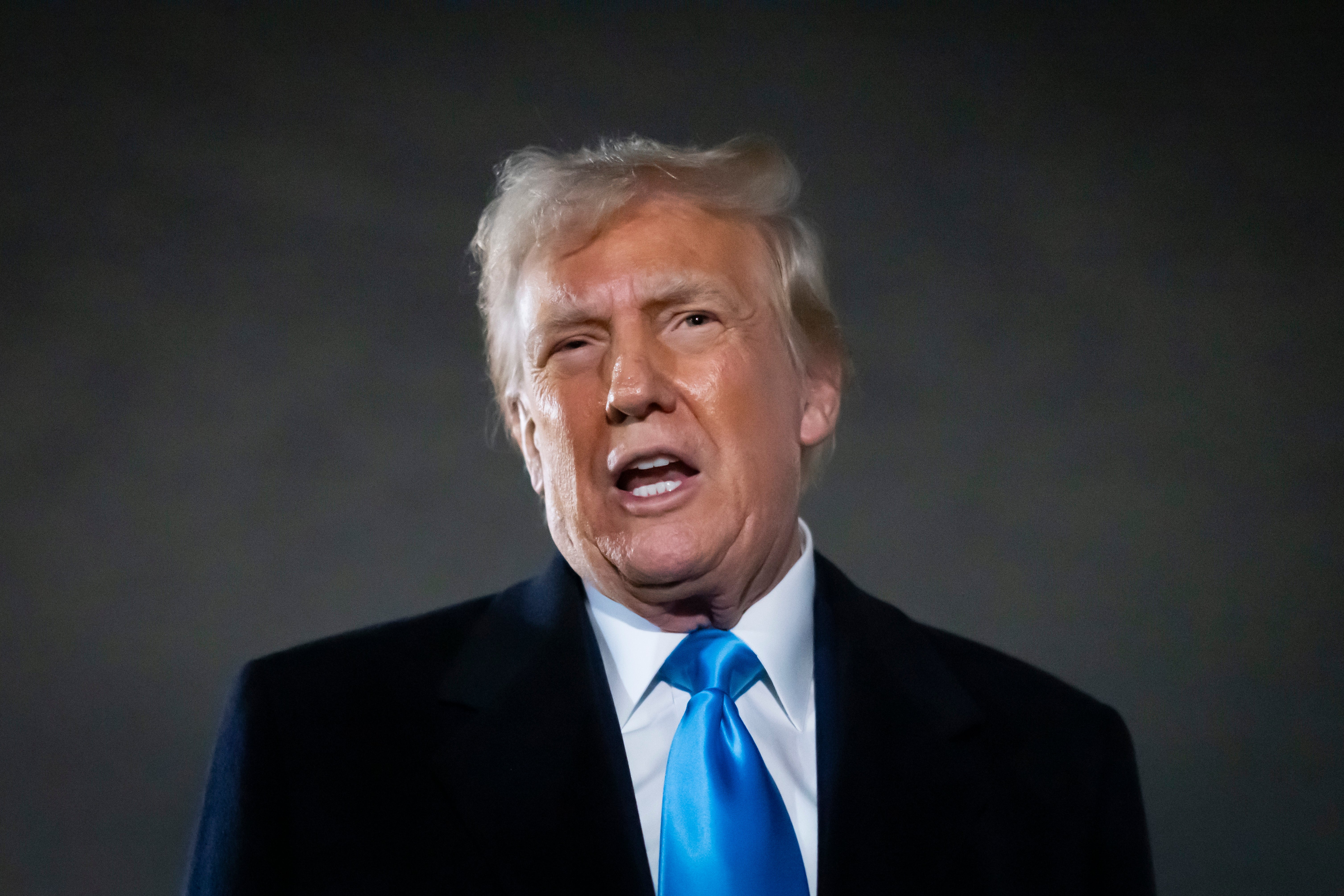
The conflicting signals arrive at a volatile moment for the Strait of Hormuz. Following a weekend of escalation that saw Bahrain and Kuwait come under direct Iranian fire after U.S. retaliatory strikes, the diplomatic environment remains fractured. While Trump insists on an imminent meeting, Iran’s Deputy Foreign Minister Kazem Gharibabadi stated on Monday that no such technical talks are on the docket, refuting Western media assertions. Abbas Aslani of the Center for Middle East Strategic Studies suggests this posturing serves as a tactical display of leverage, with both sides testing boundaries to shift the balance in ongoing negotiations.
Despite the friction, commercial shipping continues to navigate the Strait at reduced volumes. Tracking data indicates a handful of vessels completed transits over the weekend, even as the threat of a total diplomatic freeze looms. Foreign Minister Abbas Araghchi warned Sunday that any attempt to bypass existing arrangements would only complicate the reopening of the waterway. With Trump previously hinting that military options remain on the table should diplomacy fail, the Doha announcement highlights a widening gap between Washington’s narrative of progress and Tehran’s hardening stance.



Comments (0)
No comments yet. Be the first!