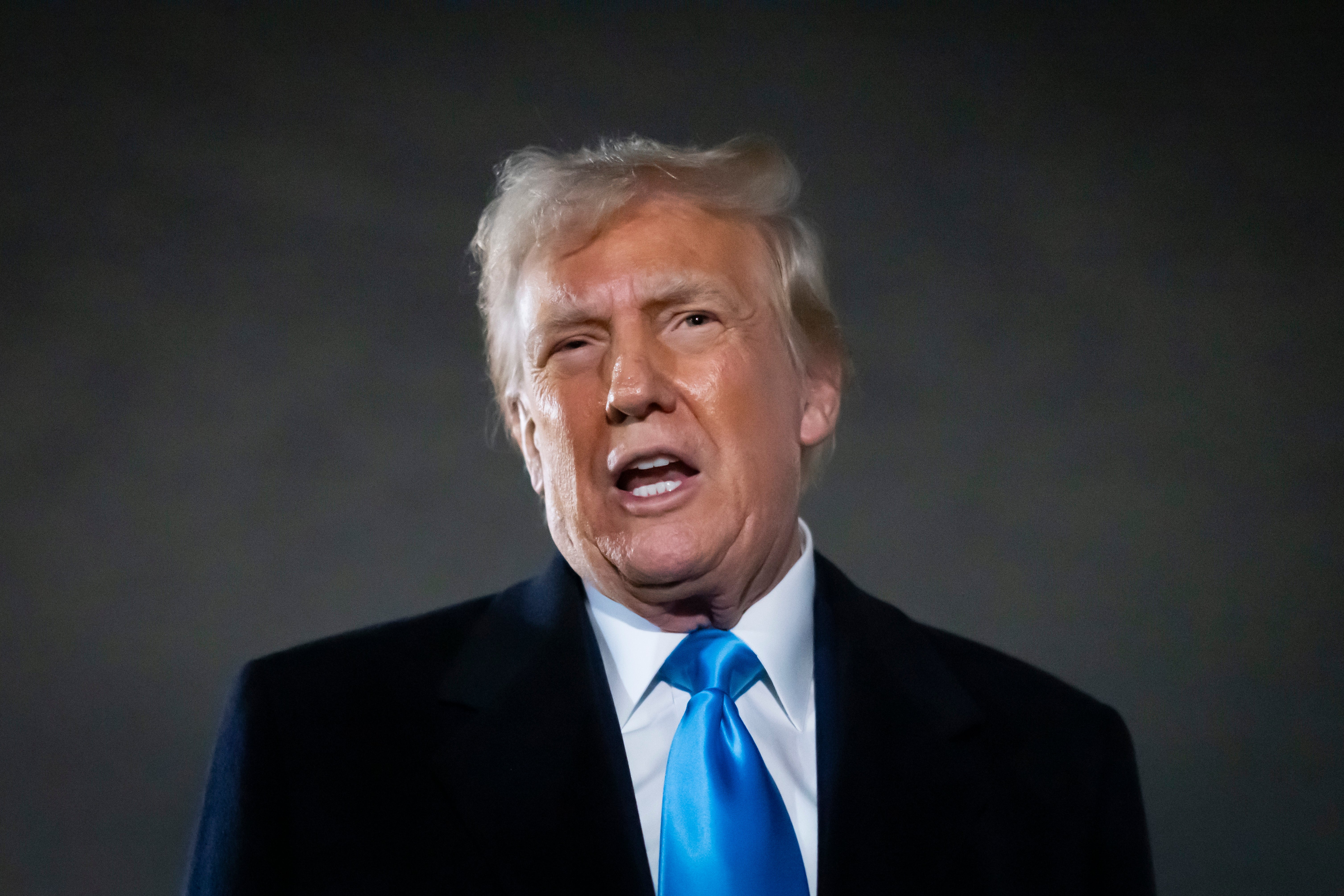
Defense spending remains the summit's primary fault line. While allies previously pledged to commit 5 percent of GDP to defense by 2035, skepticism persists regarding the path to that goal. U.S. President Donald Trump has signaled a confrontational stance, questioning the reciprocity of the alliance and highlighting the disparity between U.S. expenditures and those of European partners. Secretary General Mark Rutte faces the delicate task of bridging this gap, emphasizing that European allies are on a trajectory to align their contributions with Washington.
Beyond the budget debates, the summit will address the alliance's evolving posture. Discussions regarding the presence of U.S. troops in Europe continue, even as military commanders note that European nations are increasingly filling capability gaps. Simultaneously, the focus shifts to industrial cooperation, with new multilateral ventures and a proposed "global defense bank" aimed at bolstering production. Ukraine’s integration into this industrial base, particularly regarding the potential domestic production of PAC-2 interceptors, represents a significant development. Meanwhile, the summit will attempt to solidify a 70 billion euro financial pledge for Ukraine, though questions linger about the sustainability of these commitments and the strategic wisdom behind current procurement choices.




Comments (0)
No comments yet. Be the first!