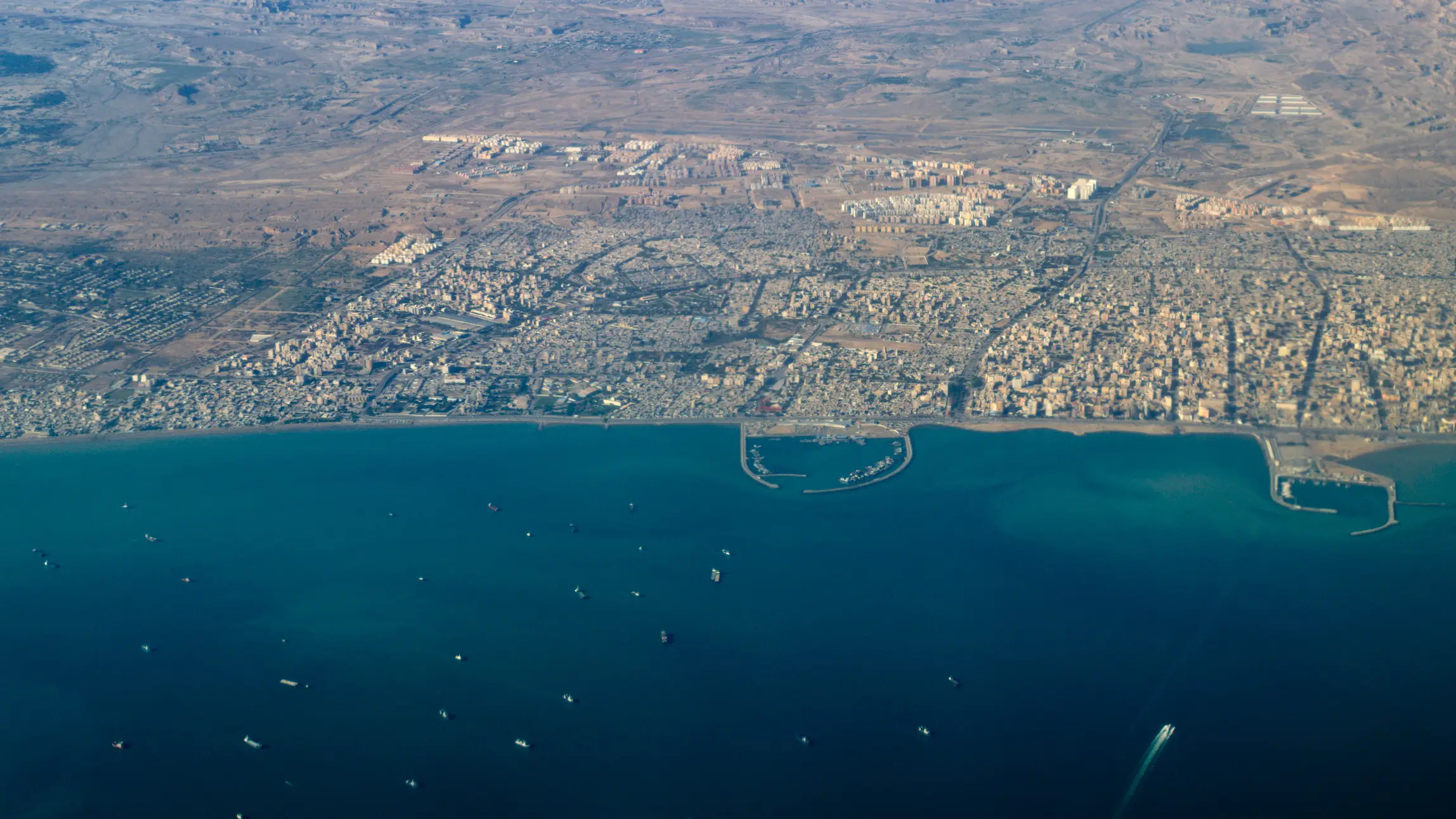
The project relies on an established rail link from the Kazakh city of Aktau through Turkmenistan to the Iranian coast. Officials in Astana view this route as a strategic hedge against regional volatility, though they remain simultaneously committed to developing a trans-Afghan railway to reach Pakistan’s deep-water ports. Zhumangarin noted that the government expects the international sanctions regime on Iran to eventually soften, facilitating smoother trade operations.
Elsewhere in the region, infrastructure development is accelerating. Uzbekistan is pursuing a $3 billion investment program to transform several cities into major transit hubs, aiming to bolster trade via a trans-Afghan corridor. Meanwhile, territorial adjustments between Kyrgyzstan and Uzbekistan have concluded, transferring two villages to Kyrgyz jurisdiction to streamline transit between Aidarken and Batken. These diverse initiatives align with broader regional efforts, such as the Silk Seven-Plus blueprint, which seeks to integrate the Caspian Basin with the Arabian Sea to reduce reliance on legacy supply chains.



Comments (0)
No comments yet. Be the first!