
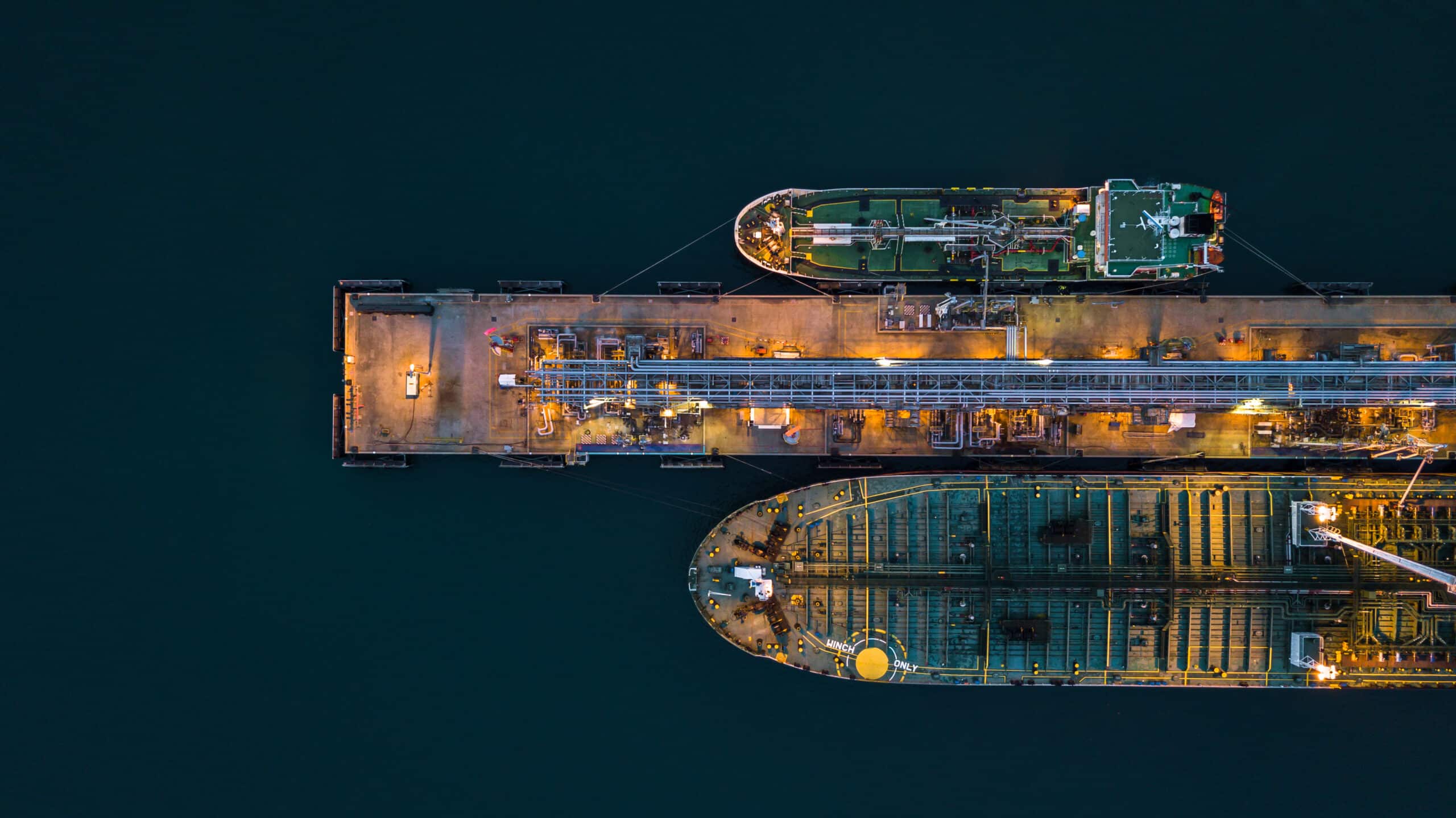
The proposed West Coast line will follow the existing Trans Mountain corridor to a new terminal at Roberts Bank, specifically avoiding northern territories where First Nations opposition previously stalled energy projects. The project, led by Trans Mountain Corporation and Pembina Pipeline Corporation, aims to move one million barrels of oil daily. However, the endeavor faces significant financial scrutiny, with British Columbia officials projecting costs between $35 billion and $43 billion, fueling concerns over potential budget inflation similar to the original Trans Mountain expansion.
Following the West Coast announcement, Alberta partnered with Ontario and Saskatchewan to advance the Northern Shield Energy Corridor. This project seeks to transport 500,000 barrels of oil per day from Hardisty to Sarnia to bolster domestic refining capacity. These initiatives mark a definitive departure from the policies of the previous administration. Under Carney, the federal government has dismantled the consumer carbon tax and paused electric vehicle mandates to prioritize resource development. The establishment of the Major Project Office in August 2025 further signals a commitment to rapid infrastructure deployment, serving as a strategic response to rising trade tensions and protectionist rhetoric from the United States.


Comments (0)
No comments yet. Be the first!