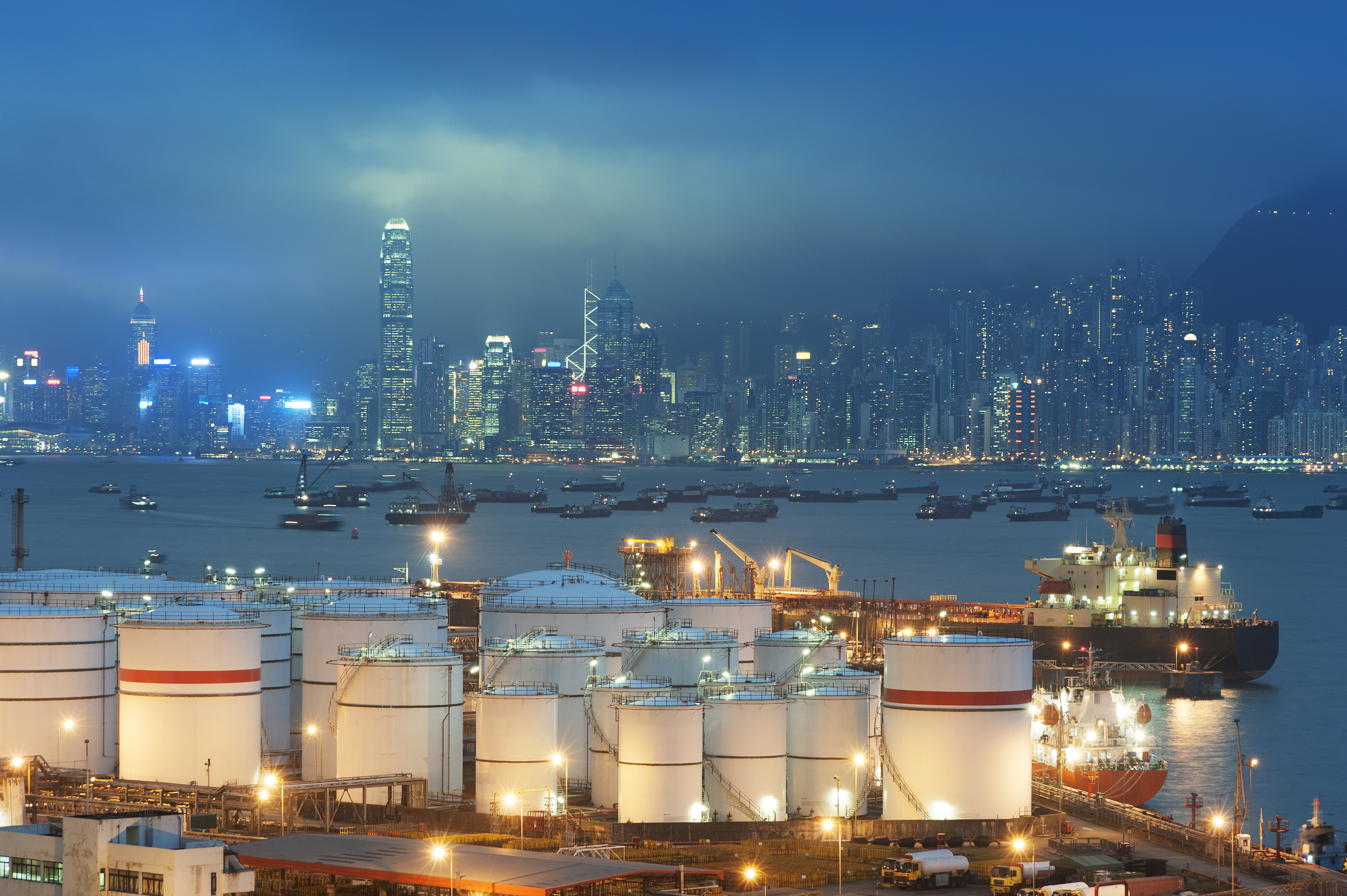
Only days after predicting an impending oil glut, the firm’s commodity desk identified the current instability as a major obstacle to regional output. Middle Eastern producers were gradually reopening shut-in wells, but the latest maritime attacks have introduced a new layer of risk that shippers are unwilling to navigate. With the ceasefire status remaining volatile, the flow of crude has retreated from 80% of pre-war levels back to 70%.
Bloomberg reports that tanker movement in the critical strait has hit a standstill, with the exception of a single vessel under U.S. sanctions. This collapse in transit undermines the assumption that the region was returning to normalcy. Global stockpiles of crude and refined products currently sit at multi-decade lows following the massive strategic releases initiated in March. As governments look to replenish these reserves, the disruption in the Persian Gulf—where output remains 10.5 million barrels daily below pre-war norms—suggests that the window for price volatility remains wide open.


/sc-assets/prd/practices/c437c83c-a1c3-456a-9086-2508d09fabca/360-logo-transparent.png)
Comments (0)
No comments yet. Be the first!