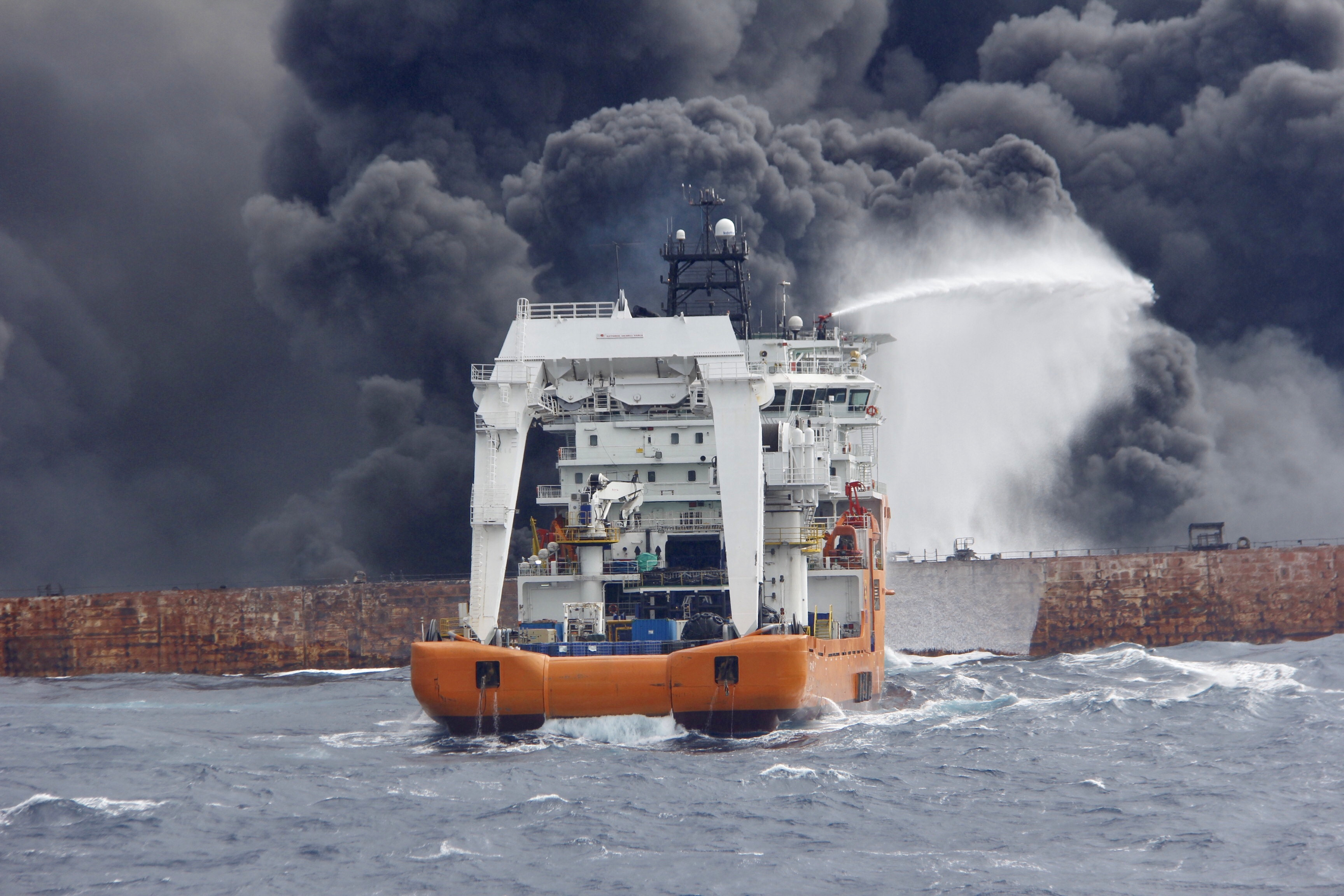
The strike in the Sea of Azov follows a high-profile drone attack on Gazprom Neft’s Omsk refinery earlier this week. By damaging key processing units at the 440,000-barrel-per-day facility, Ukraine has disrupted the output of Russia's largest gasoline producer. These coordinated efforts demonstrate an evolution in tactics, moving beyond strikes on regional export terminals to targeting deep-territory infrastructure and the logistical arteries that feed the country’s fuel-starved southern regions.
President Vladimir Putin has recently acknowledged the severity of the situation, shifting from initial denials by regional authorities to active policy intervention. Following a temporary suspension of gasoline and jet fuel exports, the Kremlin has now implemented a full ban on diesel exports to stabilize domestic prices. As Ukrainian drones continue to reach targets thousands of kilometers from the border, the pressure on Russia’s energy sector remains acute, forcing the state to balance military requirements with the necessity of keeping civilian supply chains functional.




Comments (0)
No comments yet. Be the first!