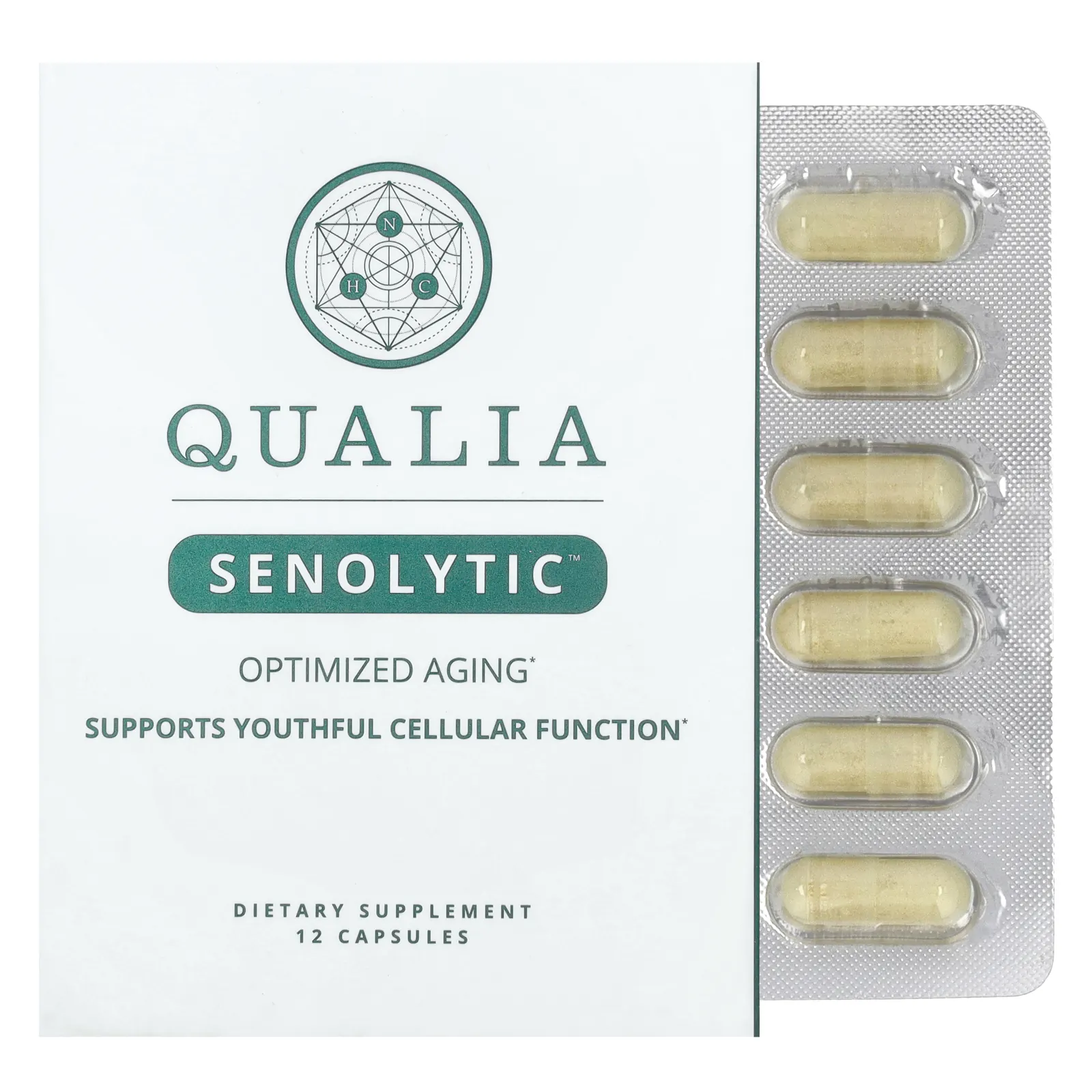
The research focused on the Senescence-Associated Secretory Phenotype, a collection of inflammatory signaling molecules released by aging or stressed cells. Proteomics analysis revealed significant reductions in four proteins—CCL8, CXCL9, CXCL10, and CXCL11—before statistical adjustments were applied. These findings represent an exploratory step in understanding how senolytic compounds might assist in clearing senescent cells, often referred to as "zombie cells," which accumulate in the body over time.
Beyond the primary markers, the study identified trends in secondary biomarkers. Participants showed reductions in CCL2 alongside increases in VEGFA, CSF2, and HGF, proteins associated with tissue repair and renewal. CEO James Schmachtenberger stated that the peer-reviewed publication serves to validate the brand’s clinical approach to supplement development. While these results provide a foundation for future investigation, the company notes that the product is not intended to diagnose, treat, or cure any disease.




Comments (0)
No comments yet. Be the first!