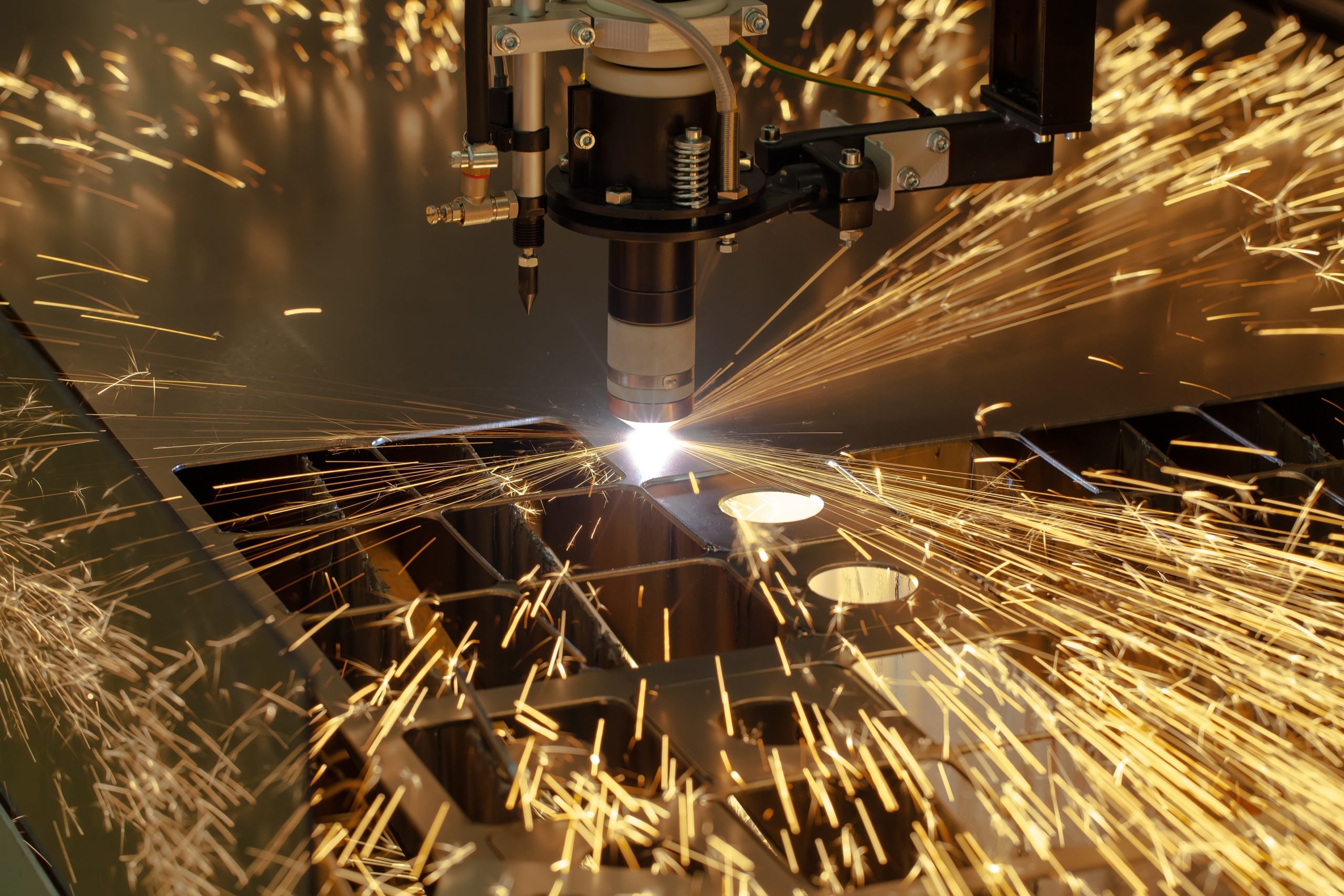
Every cutting method leaves a distinct signature on the material. Mechanical processes like punching rely on shearing, which can introduce microcracks and localized deformation. Conversely, thermal processes such as laser cutting produce a cleaner profile but create a heat-affected zone—a narrow band where rapid temperature changes alter the metal's microstructure and hardness. While laser cutting is often favored for its precision and geometric flexibility, this thermal alteration can become a liability for parts subject to cyclic or fatigue-based loading.
Engineering data highlights the trade-off. For forming-led operations, where a blank must be stretched or expanded, laser-cut edges generally outperform sheared ones. Research published in Materials indicates that holes punched in advanced high-strength steel often crack after minimal expansion, whereas laser-cut or milled edges allow for significantly greater deformation. However, in fatigue-critical applications, the hardened, less ductile edge left by a laser can serve as a starting point for cracks. For manufacturers, the choice is ultimately a balance of the part's lifecycle requirements rather than a pursuit of the fastest production route. Selecting the wrong method can lead to assembly issues, increased scrap, or premature failure in the field.



Comments (0)
No comments yet. Be the first!