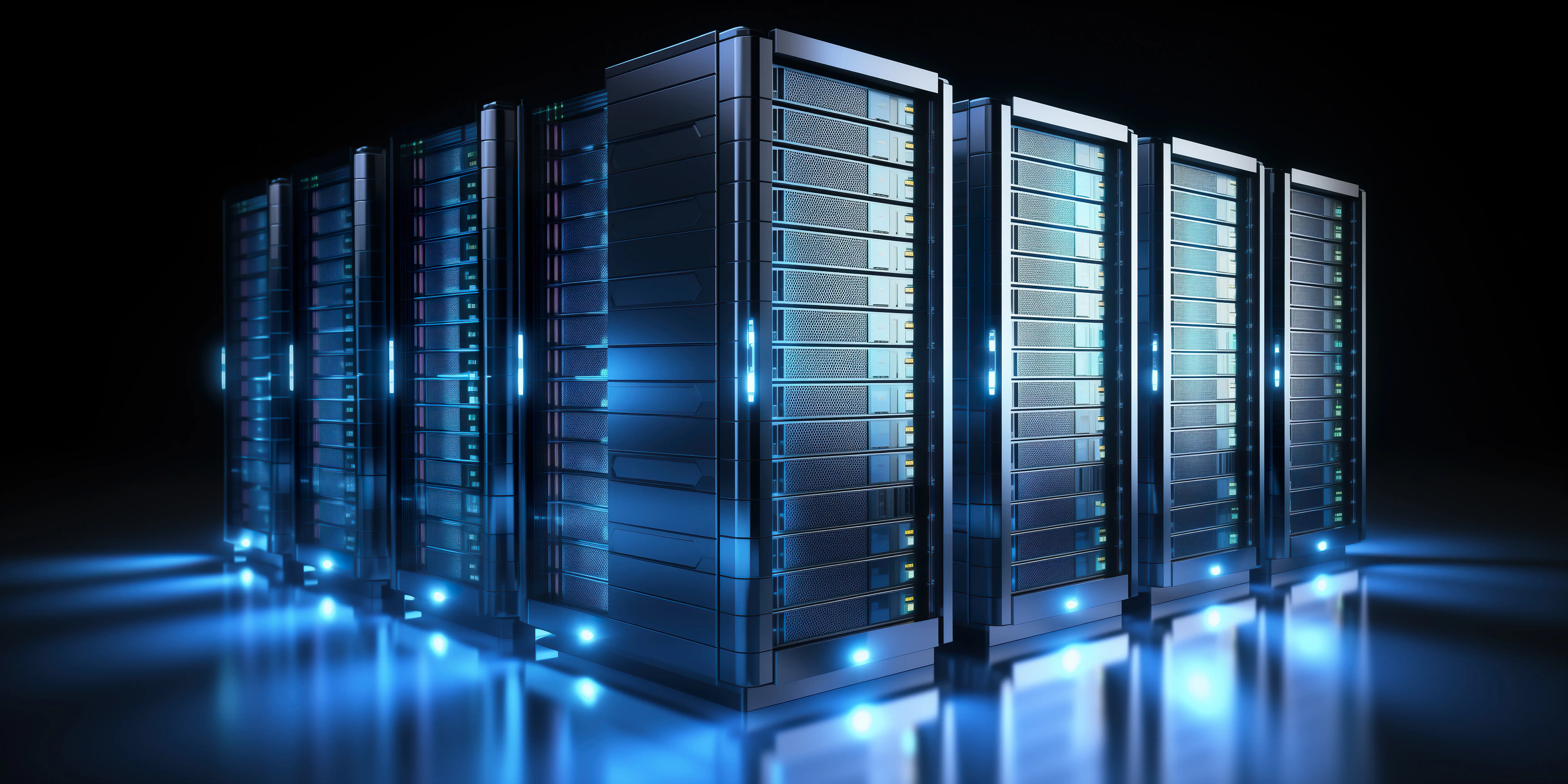
The scale of this demand is without historical precedent. Goldman Sachs projects that data center power requirements will jump 165% by 2030, a surge driven by AI models that consume ten times the energy of standard web searches. Because the global grid cannot accommodate this growth on current timelines, major hyperscalers are bypassing traditional utilities. Microsoft has moved to restart the Three Mile Island nuclear facility, while Amazon and Google are investing directly in modular reactors to secure their own supply chains.
This competition is playing out across four distinct fronts. In the United States, hyperscalers are betting billions on self-sufficiency. In Europe, countries like Norway and Finland are leveraging their hydroelectric assets and cold climates to host AI infrastructure, often restricting access to domestic players. Meanwhile, Gulf states are utilizing sovereign wealth to acquire stakes in global energy-intensive tech assets, and China is constructing a completely self-contained, state-backed power ecosystem. Companies that locked in energy capacity years ago—such as Bitzero Holdings in the Nordics or SpaceX through its massive xAI data clusters—now hold a decisive advantage in an industry where power, not just software, determines long-term viability.



Comments (0)
No comments yet. Be the first!