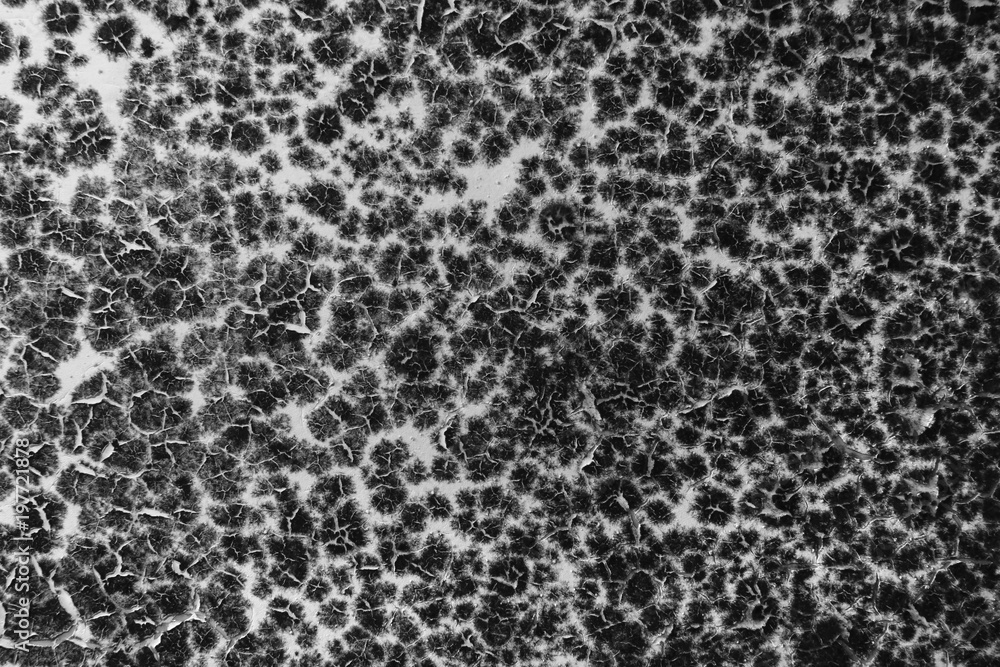
When water damage strikes a building, the immediate urge is to address the visible mess—soaked carpets, stained drywall, and standing water. However, these surface issues are often just the beginning. Mold spores exist naturally in almost every environment, but they remain dormant until they encounter a combination of moisture and porous materials. Once water infiltrates drywall, insulation, or wood, it creates a breeding ground that can support rapid fungal development long before any discoloration appears on the surface.
Property owners frequently underestimate the threat because they rely on visual cues. By the time mold is visible, the infestation is often widespread, having already colonized the structural cavities behind walls or beneath flooring. This hidden moisture is particularly dangerous because those areas receive minimal airflow, allowing colonies to thrive unchecked.
Professional intervention is the most effective way to prevent these long-term issues. Experts utilize specialized tools like thermal imaging cameras and moisture meters to detect trapped water that remains invisible to the naked eye. Effective remediation requires more than simple surface drying; it demands industrial-grade dehumidification and strategic air movement to pull moisture from deep within building materials. Whether the intrusion stems from a sudden pipe burst or a slow, chronic leak, the speed of the response determines whether a property requires minor repairs or extensive, costly structural restoration.


Comments (0)
No comments yet. Be the first!