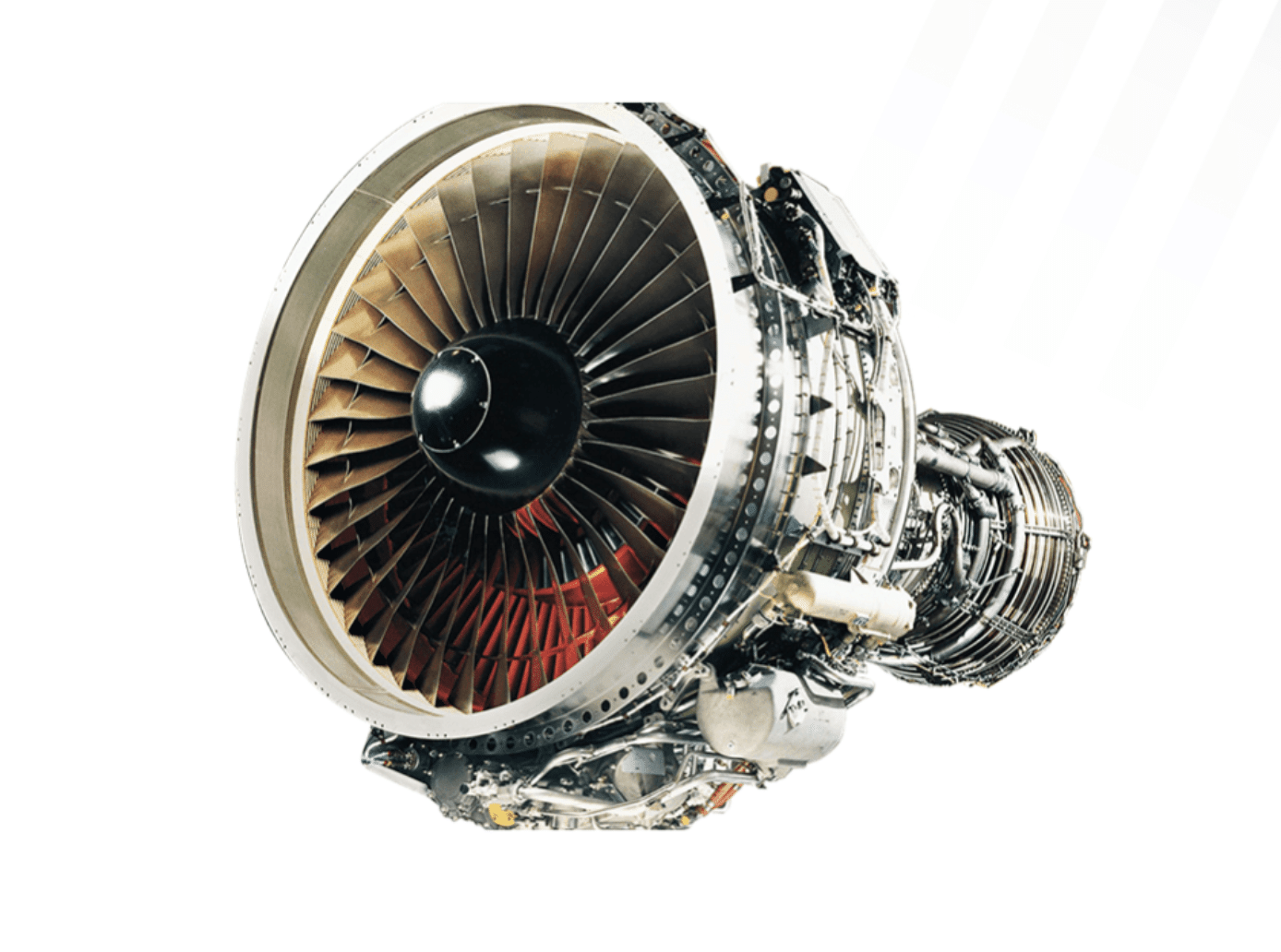
The new software functions by analyzing borescope video feeds, providing inspectors with faster and more repeatable data assessments. By automating initial detection, the system shifts the burden of routine analysis away from manual review, allowing technicians to focus on critical decision-making. The technology has already seen deployment on the V2500 engine, with successful pilot programs recently concluding for the GTF and F135 platforms.
Rob Griffiths, senior vice president of Commercial Engines Operations, noted that the integration serves to detect potential issues earlier in the maintenance cycle. This shift promises to extend the time engines remain on wing while reducing the operational disruptions typically associated with lengthy inspection windows. Because the system utilizes machine learning, it adapts to inspector feedback, refining its classification accuracy based on real-world maintenance expertise. The shift from manual reporting to configurable digital outputs allows processes that previously consumed significant hours to be completed in minutes, ensuring higher traceability across the company's global network of repair facilities.


Comments (0)
No comments yet. Be the first!