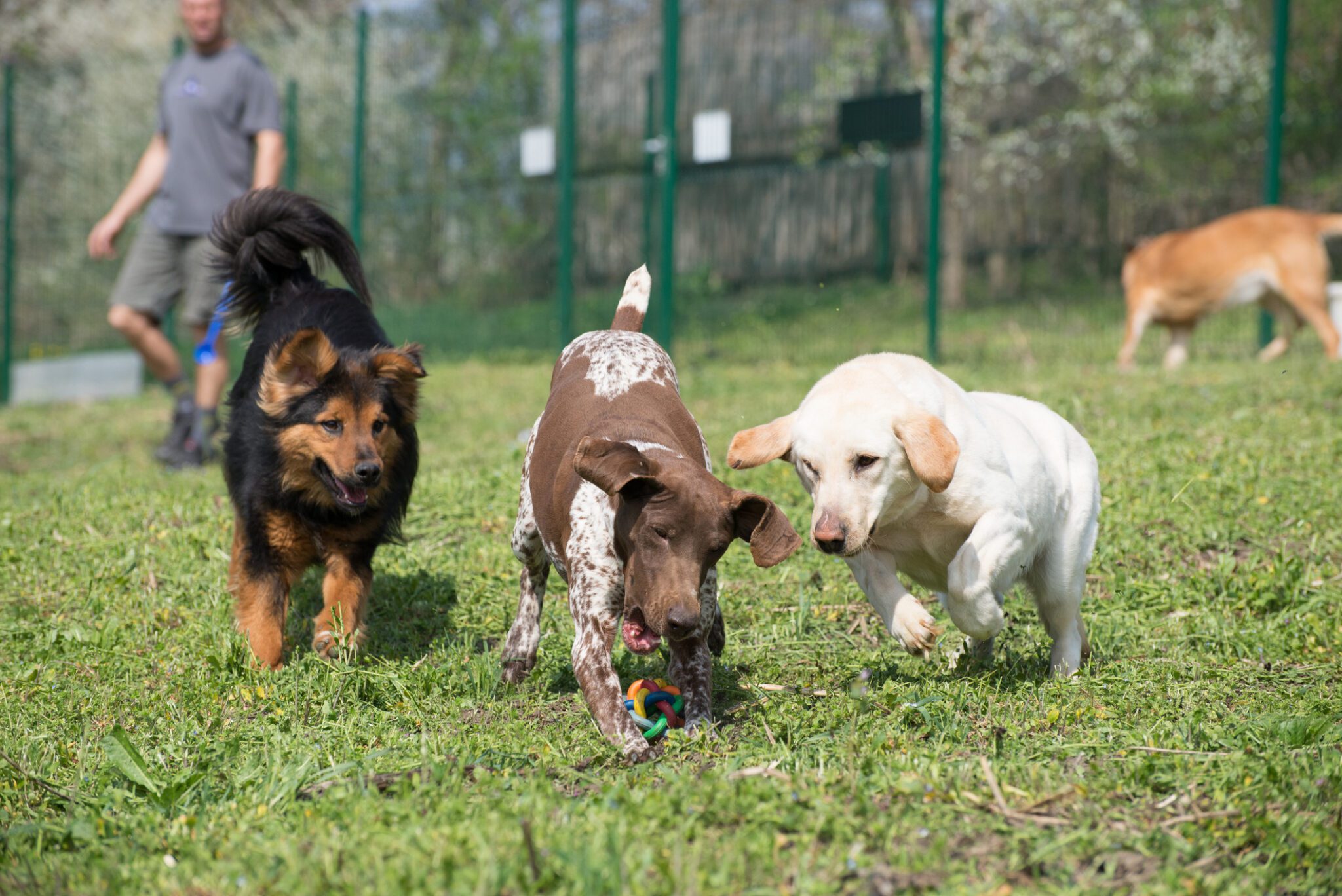
Successful group play is a deliberate process that begins long before animals enter a shared space. Rather than relying on simple metrics, staff must gauge a dog’s temperament, energy levels, and specific play preferences. Some dogs thrive in high-energy wrestling, while others prefer parallel walking or gentle engagement. Matching a boisterous chaser with a dog that values personal space often leads to friction, whereas pairing those with similar styles fosters clearer communication and comfort.
Supervised introductions serve as the final filter. By observing body language in controlled settings, staff can identify early signs of hesitation or over-excitement before a dog joins a larger pack. This commitment to observation continues throughout the day, as fatigue or shifting moods can alter how a group functions. According to Essex, these consistent, positive experiences are what build a dog’s confidence and social skills, turning daycare into a tool for development rather than just a place to wait for an owner’s return.




Comments (0)
No comments yet. Be the first!