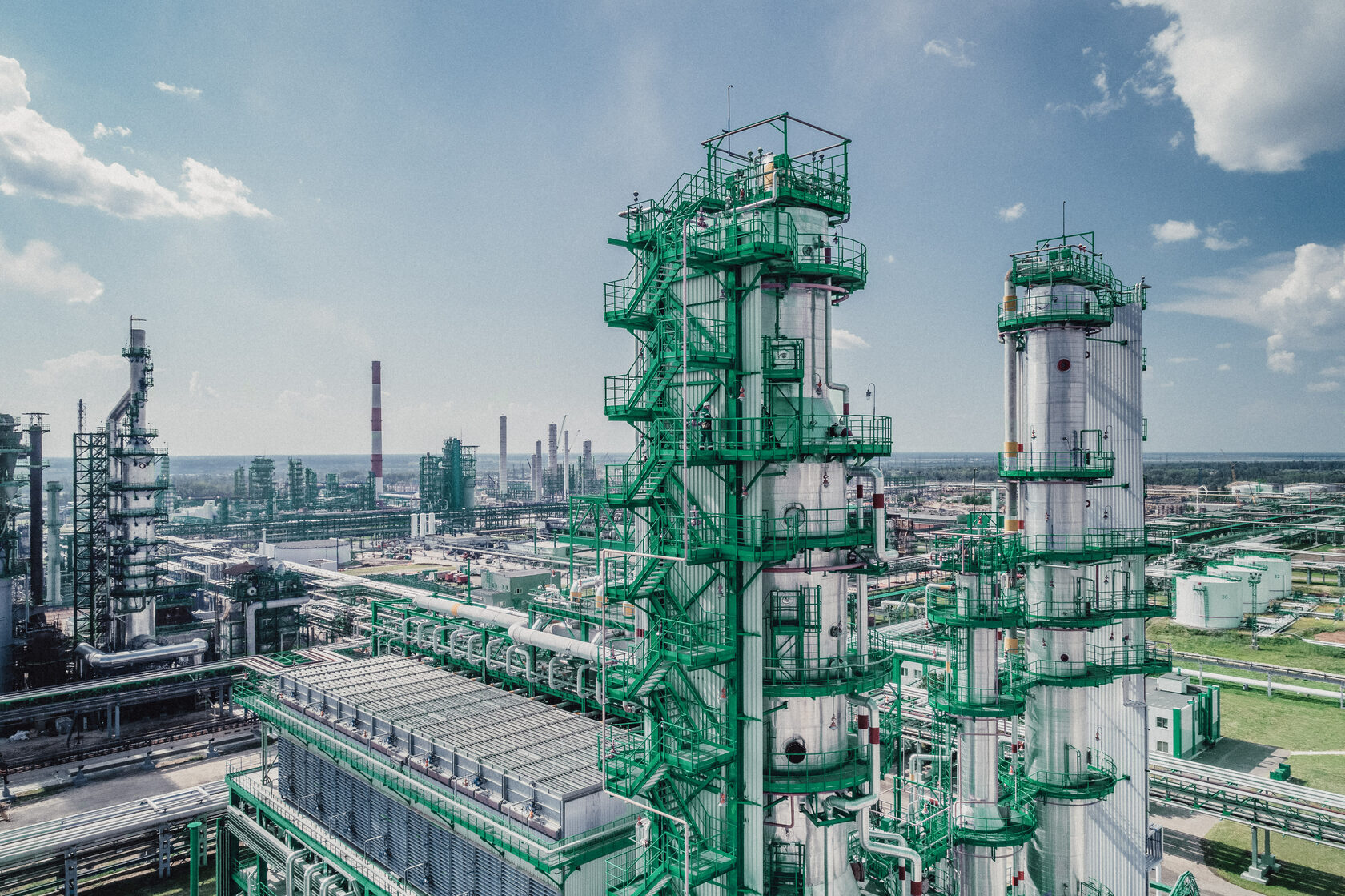
Russian refineries processed an average of 3.91 million barrels of crude per day in early July, a decline of over 1.4 million barrels from the previous year’s average. This collapse follows roughly 50 strikes targeting 24 of Russia’s 34 major refineries. The July 6 attack on the Omsk refinery proved particularly significant, as it struck the nation's largest facility, located over 2,000 kilometers from the front line, damaging primary crude distillation units capable of processing 8.4 million tonnes annually.
Repeat strikes have turned maintenance into a futile cycle, as Ukrainian forces target facilities before operators can complete repairs. The impact is visible on the St. Petersburg International Mercantile Exchange, where daily gasoline and diesel sales plummeted 38% in June compared to the same period in 2025. With domestic production failing to meet seasonal demand, Moscow has been forced to import fuel from India and Belarus while simultaneously slashing export quotas to keep local stations operational. The resulting supply vacuum has rippled through global markets, driving European diesel margins above $60 per barrel as traditional buyers in Central Asia, Turkey, and Brazil scramble to secure alternative sources.



Comments (0)
No comments yet. Be the first!