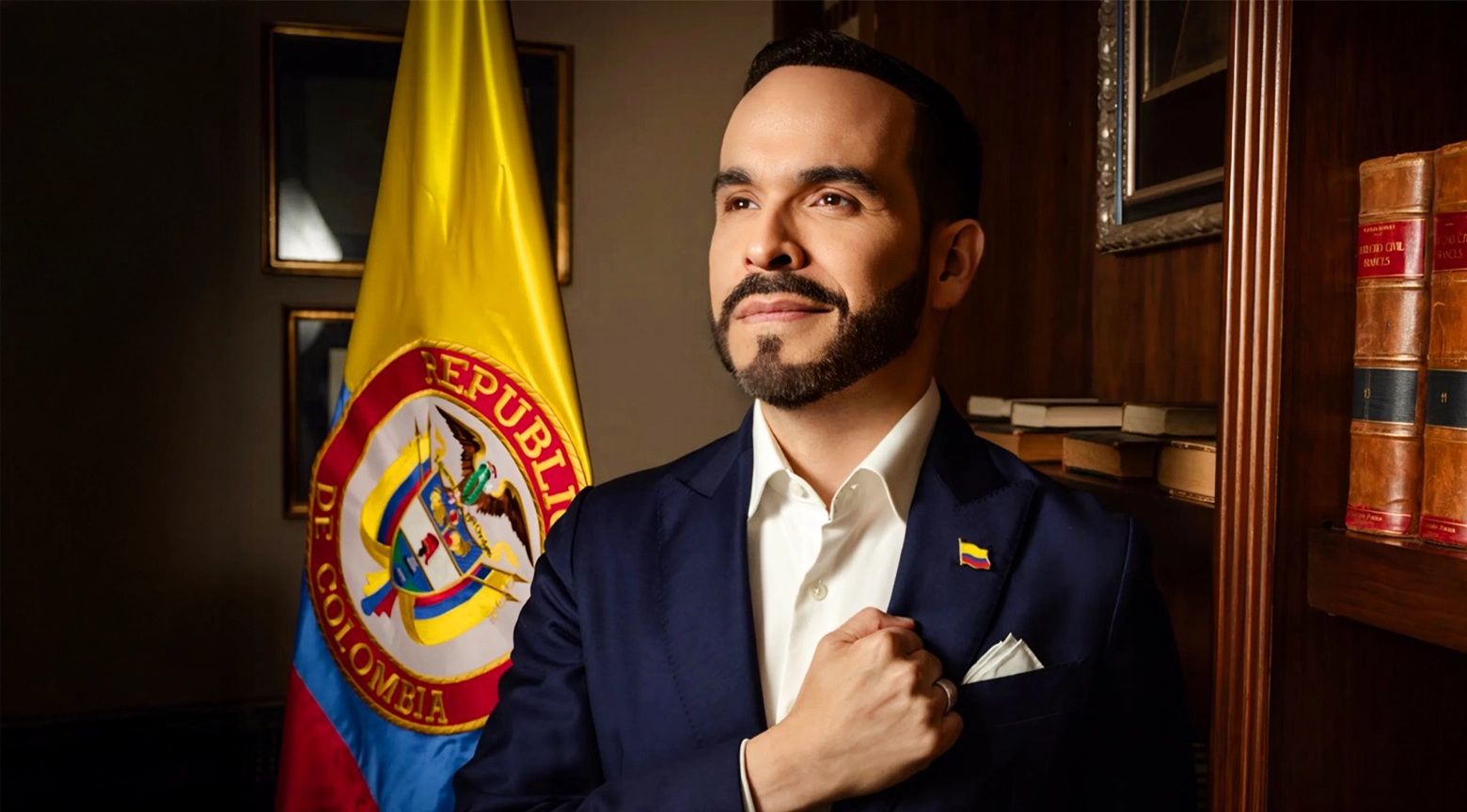
The incoming administration aims to pivot away from the environmental safeguards and renewable energy focus established during the Petro years. Under Petro, Colombia saw non-mining exports rise to 52.6 percent of the total, while renewable capacity surged from 200 to 3,600 MW between 2022 and 2026. De la Espriella, however, views fossil fuel extraction as the primary remedy for a 6.4 percent fiscal deficit. His platform prioritizes immediate revenue generation through increased drilling and the potential restructuring of Ecopetrol, the state-run oil company.
Local opposition remains fierce, particularly in oil-rich hubs like Barrancabermeja and Puerto Wilches, where residents favored the left-wing opposition due to long-standing environmental concerns. Former environment minister Susana Muhamad warns that the new government may attempt to replicate the "mining locomotive" policies of previous decades, potentially by stripping power from the national authority of environmental licences. While the president-elect intends to use executive decrees to bypass existing green mandates, his legislative agenda faces a significant hurdle: the left-wing coalition still controls 68 seats in Congress, complicating efforts to overhaul environmental regulations and authorize controversial practices like fracking.

Comments (0)
No comments yet. Be the first!