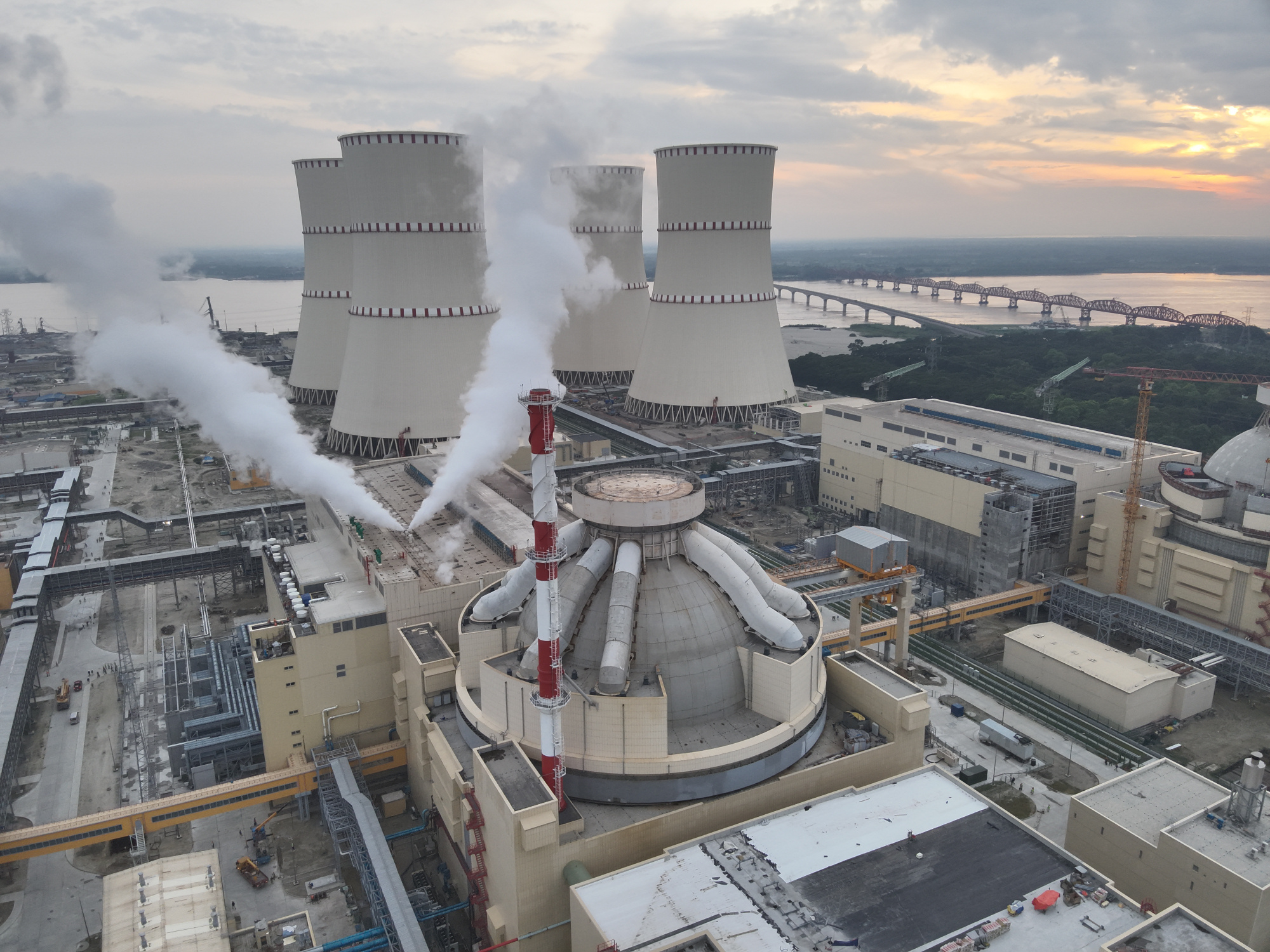
The global energy landscape is shifting, as emerging nations increasingly view nuclear power as a hedge against fossil fuel volatility and climate mandates. While historically reserved for wealthy states, the current pipeline shows that most of the 80 reactors under construction globally are located in developing economies. Bangladesh stands at the forefront of this trend, counting on the Rooppur facility to provide 15 percent of its total electricity once fully operational in 2028.
Yet, the project highlights the steep entry costs for nations lacking domestic nuclear infrastructure. The depreciation of the Bangladeshi taka has significantly inflated the burden of the original contract, forcing officials to reconsider their strategy. Energy ministers have already signaled that future projects will likely bypass large-scale plants in favor of small modular reactors, which offer more manageable price tags and shorter construction windows.
Observers are watching the Rooppur site closely to see if the facility serves as a viable model or a cautionary financial tale. The success of this venture—and the ability to manage its heavy debt—will likely dictate the nuclear appetite of other developing nations currently weighing similar energy transitions.

Comments (0)
No comments yet. Be the first!