The rapid deployment of wind and solar power across Europe has created a systemic imbalance. Surplus energy during peak production hours frequently forces electricity prices into negative territory, a phenomenon that occurred at record levels last year. While these price drops provide temporary relief for consumers, they threaten the financial viability of renewable projects and discourage the private investment necessary for further capacity expansion.
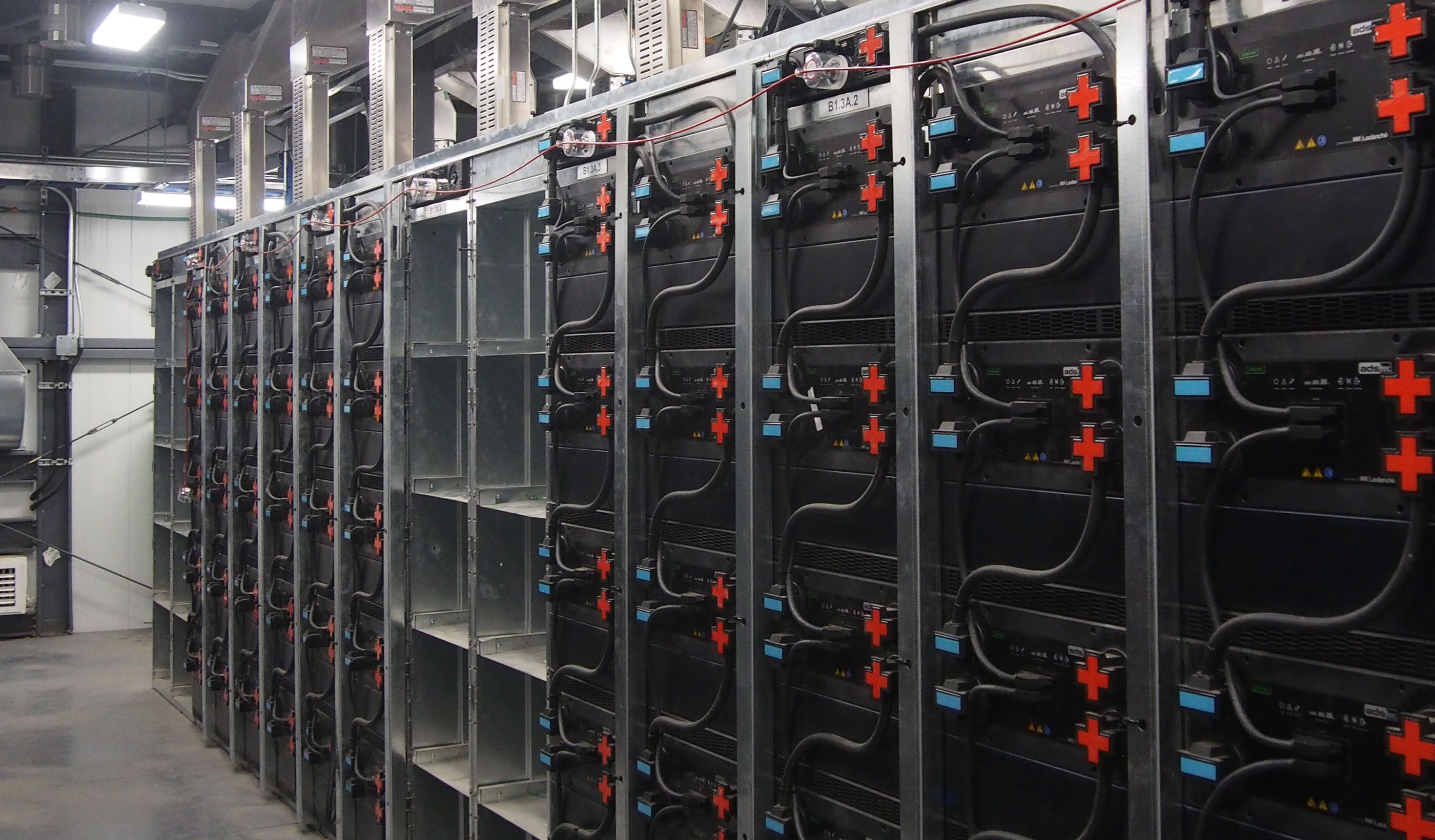
To address this, EU member states have pledged to add 30-35 gigawatts of storage by 2028. This shift elevates energy storage from a peripheral technical solution to a central pillar of the bloc’s energy strategy. Walburga Hemetsberger, CEO of SolarPowerEurope, noted that this political direction finally treats storage as a delivery priority rather than a mere enabling technology.
The urgency is compounded by shifting demand patterns. Rising energy consumption from AI data centers, combined with extreme weather events, has left the grid vulnerable. Experts warn that without significant improvements in flexibility, the gap between midday solar output and evening demand will only widen, potentially triggering severe market instability by 2026. By capturing surplus power, the EU aims to synchronize supply with demand, effectively replacing the need for imported natural gas during periods when the wind stops and the sun sets.



Comments (0)
No comments yet. Be the first!