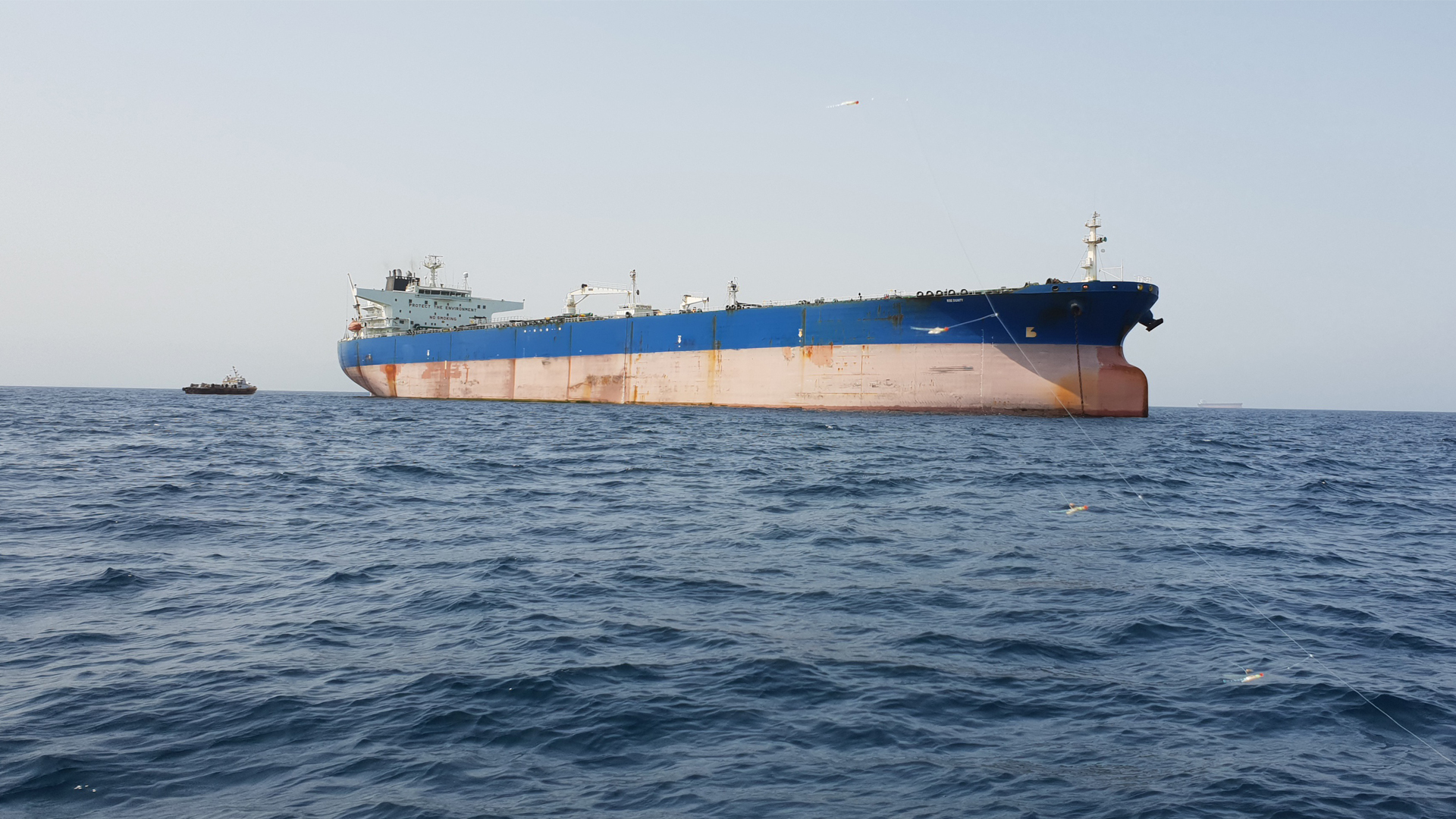
The vessel’s decision to drop anchor follows a pattern of erratic behavior; tracking data indicates the tanker went dark, disabling its AIS transponder before entering the Persian Gulf to collect oil. This tactic has become the grim standard for shipping firms attempting to bypass Iranian scrutiny. Since the breakdown of the recent ceasefire, the Islamic Revolutionary Guard Corps Navy has intensified its presence, confirming the interception of four vessels in the past week alone. Two of these ships reportedly suffered accidents while being forcibly stopped, underscoring the lethal risks inherent in the current passage.
Traffic through this vital artery has now hit a two-month nadir, a shift that threatens to choke supply chains during peak summer demand. The situation turned more volatile on Monday morning when the United Kingdom Maritime Trade Operations reported a vessel fire eight nautical miles northwest of Kumzar, Oman. While authorities scramble to verify the cause of the blaze, the incident serves as a stark warning to any remaining operators. With insurance premiums soaring and the threat of seizure or kinetic engagement rising, the Strait of Hormuz is rapidly transforming from a global economic lifeline into a maritime no-go zone.


Comments (0)
No comments yet. Be the first!