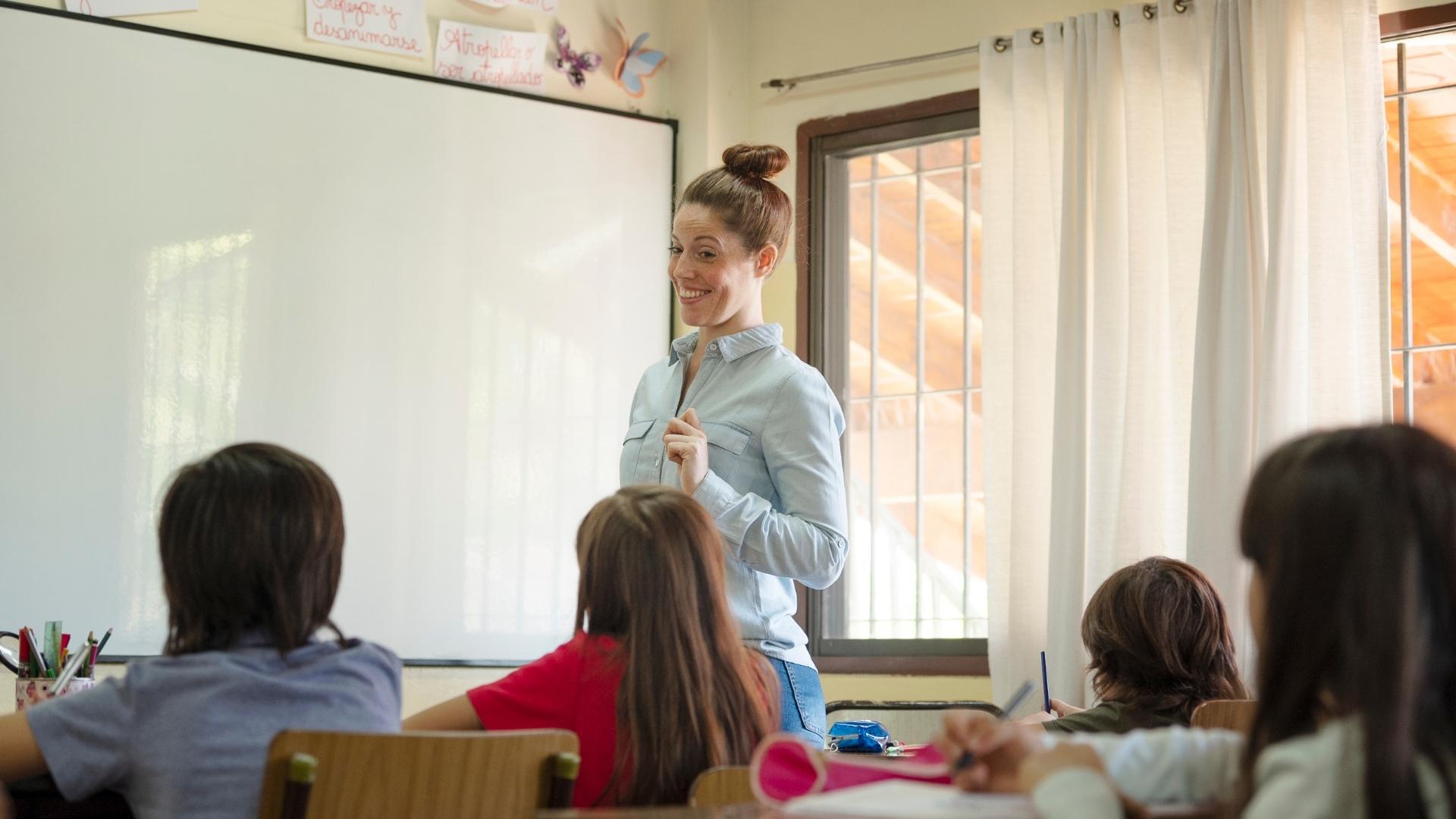
Professor Eunseok Ro of Pusan National University and Professor Hyunwoo Kim of Yonsei University analyzed video-recorded microteaching sessions to understand how undergraduate L2 English majors manage reluctant students. Published in The Modern Language Journal, the research identifies three specific strategies teachers use to transform turn allocation from a procedural command into a collaborative social process.
First, teachers anchor their requests in visible student behavior, such as responding to a "comment face" rather than exerting arbitrary power. Second, instructors often verbalize their own discomfort about singling out a student, which acknowledges the social awkwardness of the moment. Finally, they employ a gradual escalation of participation, moving from general invitations to targeted nominations only after voluntary options have been exhausted. These approaches are frequently bolstered by affiliative markers like smiles and playful tones, which serve to dissipate tension.
Rather than viewing silence as a lack of knowledge, the researchers argue that these moments are essential testing grounds for developing interactional sensitivity. By integrating these findings into teacher training, education programs can move microteaching beyond simple content rehearsal, allowing novice instructors to master the delicate balance between maintaining classroom progress and respecting individual student boundaries.



Comments (0)
No comments yet. Be the first!