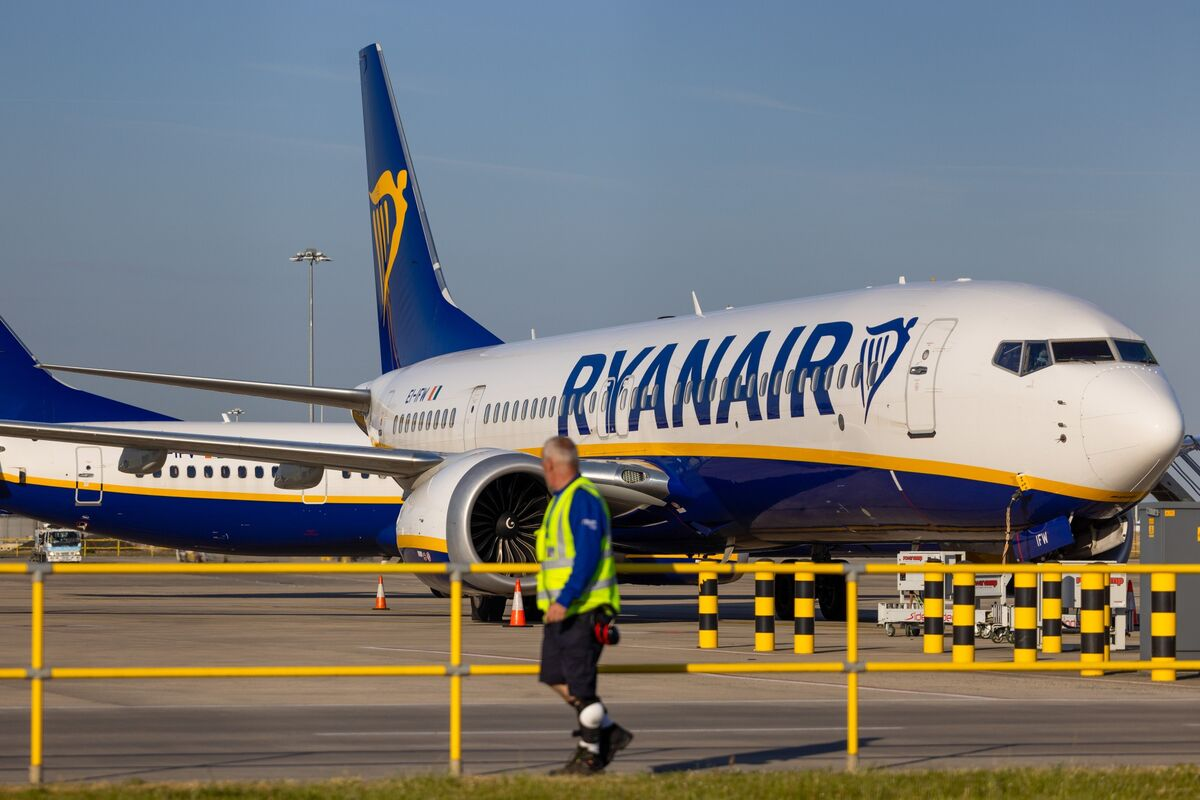
Operating costs climbed 11 percent to €3.8 billion for the three months ending in June, even as traffic volume increased by 6 percent. To maintain demand against a backdrop of consumer hesitancy linked to the Middle East conflict, the airline resorted to discounting fares, which dragged total revenue down 1 percent to €4.3 billion. Chief executive Michael O'Leary warned investors that the carrier remains heavily dependent on last-minute bookings through August and September to stabilize pricing.
While the market reacted with a 5.7 percent share price decline on both the Euronext Dublin and Nasdaq exchanges, the airline maintains that its conservative hedging strategy keeps it better protected than EU rivals. Currently, 80 percent of fuel needs for the financial year are locked at $67 per barrel. Amid these financial pressures, the company confirmed a six-year contract extension for O'Leary, a move chairman Stan McCarthy described as a strategic benefit for shareholders. Analysts at Panmure Liberum noted that the results fell short of market expectations, highlighting the ongoing challenge of balancing fuel costs with price-sensitive travel demand.



Comments (0)
No comments yet. Be the first!